

 English
 русский
 Español
 简体中文
简体中文
Camless Wire Bending Machine Enhances Multi-Angle Forming Flexibility
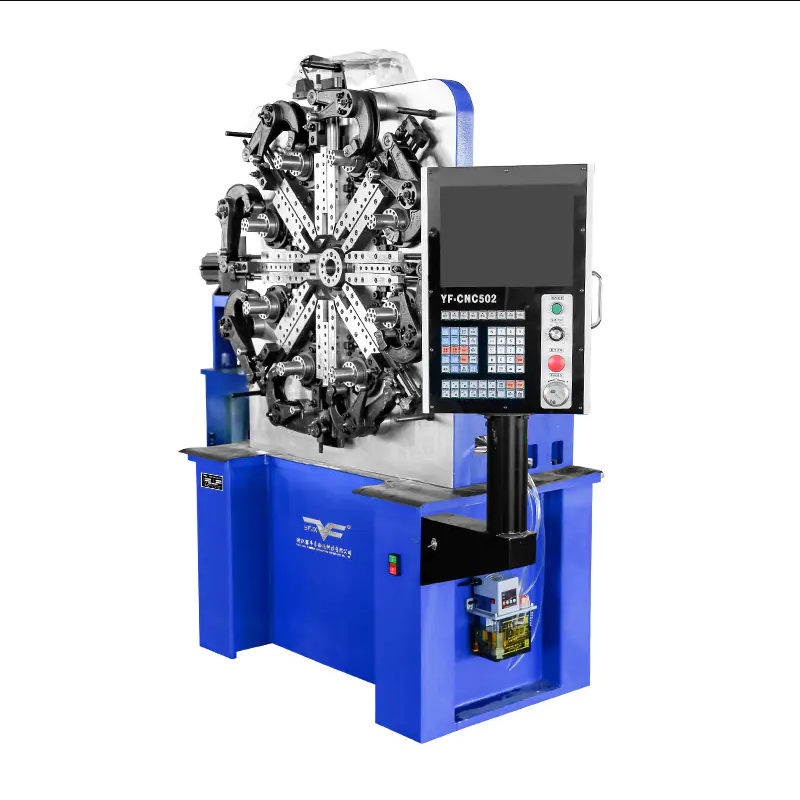
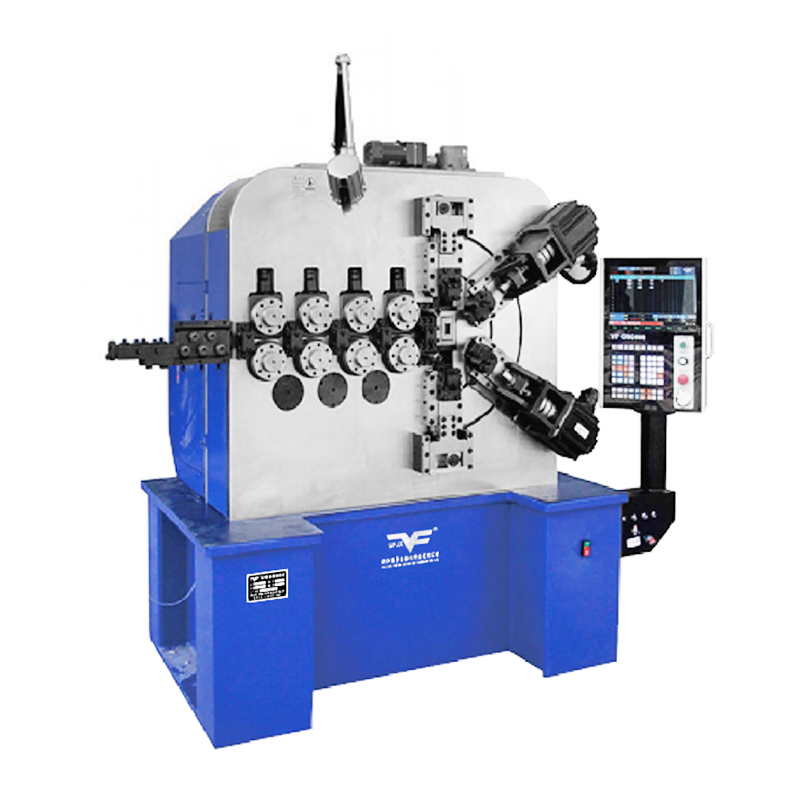
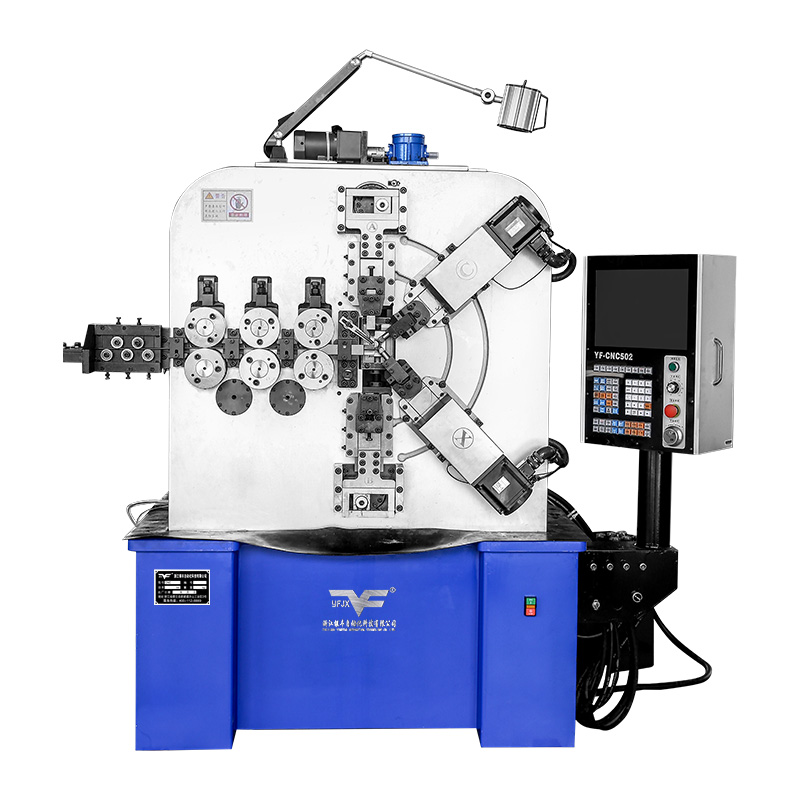
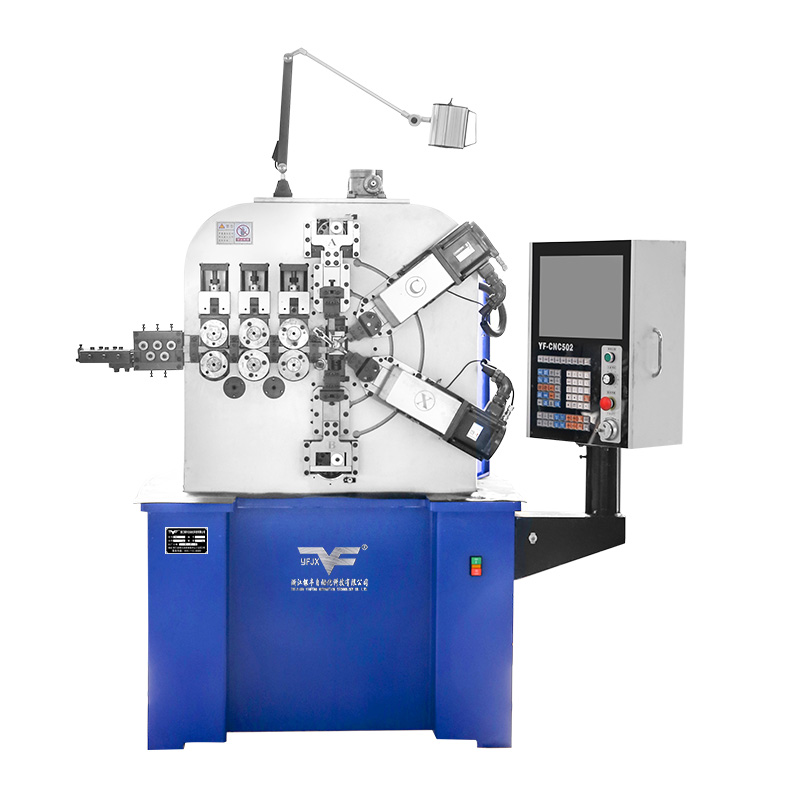
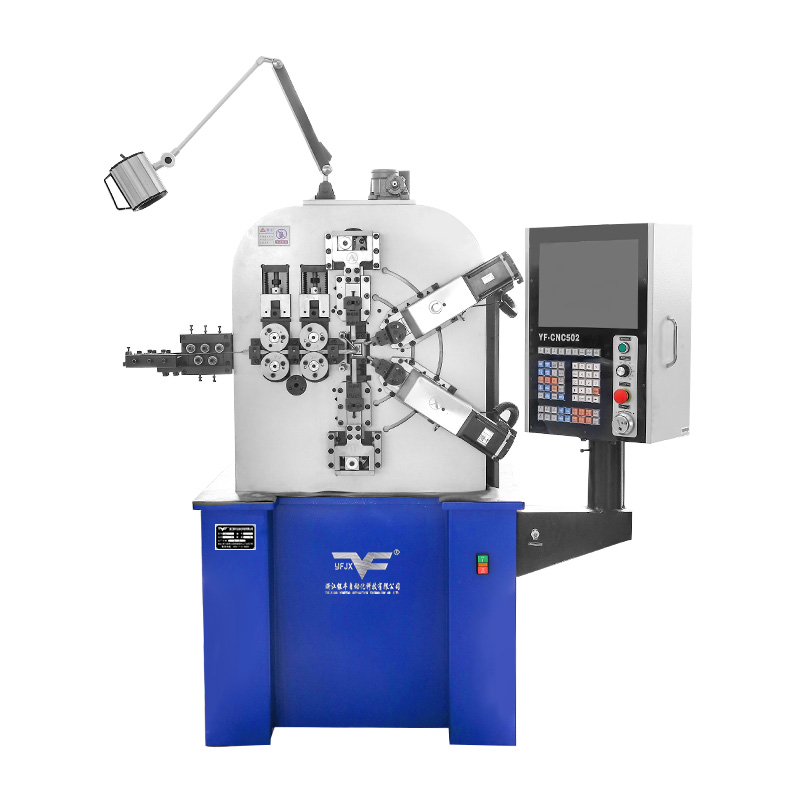
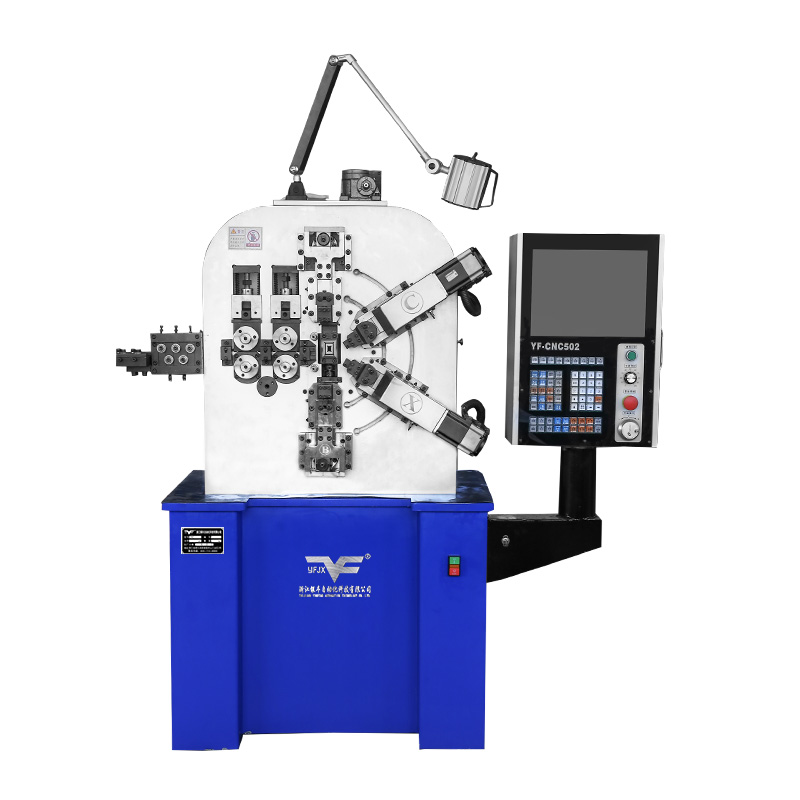
Industry News-Modern manufacturing increasingly requires wire components with complex shapes and multiple bending angles. From industrial equipment to automotive assemblies, many products depend on wire forms that extend beyond simple two-dimensional designs. The Camless Wire Bending Machine has become a valuable option for manufacturers seeking greater forming flexibility. Alongside these developments, the Camless Spring Machine continues to support the production of springs and wire-based components that require precise and adaptable forming processes.
Rising Demand for Complex Wire Forms
Product designers are continuously exploring new ways to improve functionality, reduce assembly requirements, and optimize space utilization. As a result, wire forms are becoming more sophisticated and often include multiple bends, curves, and three-dimensional structures.
Traditional manufacturing methods may face challenges when handling highly customized designs that require frequent adjustments. Manufacturers are therefore looking for equipment capable of producing a broader range of geometries while maintaining consistent production processes.
The growing use of wire forms in transportation, electronics, commercial equipment, and consumer products has further increased the need for flexible forming solutions.
Multi-Axis Motion Supports Complex Bending
A key feature of a Camless Wire Bending Machine is its ability to perform coordinated movements through multiple controlled axes. This allows wire to be formed from different directions during a single production cycle.
Instead of relying on fixed mechanical movements, operators can program various bending sequences according to specific product requirements. Different angles, radii, and forming paths can be incorporated into the production process with greater flexibility.
This capability helps manufacturers handle designs that may have been difficult to produce using more conventional forming approaches. It also allows production teams to explore new product concepts without extensive tooling modifications.
Producing Three-Dimensional Wire Structures
Many modern applications require wire forms that extend into multiple planes rather than remaining flat. Examples include support frames, retaining structures, baskets, display components, and specialized industrial parts.
A Camless Wire Bending Machine can support the production of these three-dimensional shapes by coordinating bending and rotational movements throughout the forming process. This makes it possible to create more intricate wire configurations while maintaining efficient production flow.
As product designs continue to evolve, the ability to manufacture complex three-dimensional wire forms has become increasingly valuable across many industries.
Supporting Product Development Activities
Flexible forming equipment can play an important role during product development. Engineers often need to test different wire form designs before finalizing a product for full-scale production.
With programmable controls, adjustments can be made more efficiently when design revisions are required. New bending angles, dimensions, or forming sequences can be incorporated into production programs without extensive mechanical changes.
This flexibility allows manufacturers to evaluate multiple design options and respond more effectively to customer requests for customized products.
Benefits for Diverse Manufacturing Applications
The ability to create multi-angle wire forms supports a wide variety of manufacturing sectors.
Automotive Components
Vehicle systems frequently use wire parts with complex geometries for retention, support, and positioning functions.
Industrial Products
Industrial machinery often incorporates wire forms designed to guide, secure, or protect components within larger assemblies.
Commercial Equipment
Storage systems, display fixtures, and handling equipment commonly require wire forms with multiple bends and unique shapes.
Consumer Goods
Many household and commercial products use wire structures that combine functionality with compact design requirements.
Flexible wire forming technology helps manufacturers address these varying application needs while supporting product diversity.
Relationship with Spring Forming Technology
Many production facilities manufacture both wire forms and springs. The Camless Spring Machine shares similar advantages through programmable controls and adaptable forming capabilities.
Whether producing torsion springs, extension springs, or custom wire forms, manufacturers increasingly value equipment that can accommodate changing product requirements. The use of digital programming across both wire bending and spring forming operations supports greater production versatility.
As manufacturing demands continue to evolve, flexible forming technologies are becoming an important part of modern production strategies.
Adapting to Changing Design Requirements
Product complexity is expected to continue increasing as industries pursue new designs and specialized applications. Equipment capable of handling multiple bending angles and three-dimensional shapes can help manufacturers remain responsive to these changes.
The Camless Wire Bending Machine supports multi-angle forming flexibility through programmable multi-axis control and adaptable production capabilities. Together with the Camless Spring Machine, it contributes to manufacturing environments that require efficient handling of diverse and increasingly complex wire-based products.
Our Products //
Related Products

Copyright © Zhejiang Yinfeng Automation Technology Co., Ltd. All Rights Reserved. 
Sale Automatic Spring Making Machine