

 English
 русский
 Español
 简体中文
简体中文
CNC Spring Coiling Machine Selection: Practical Priorities for More Stable Spring Production
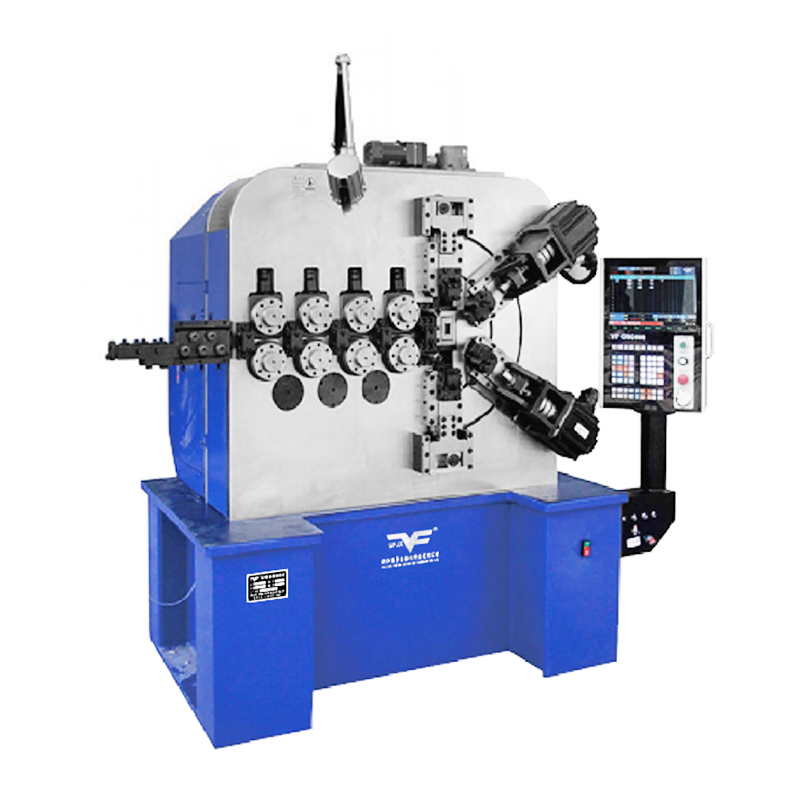
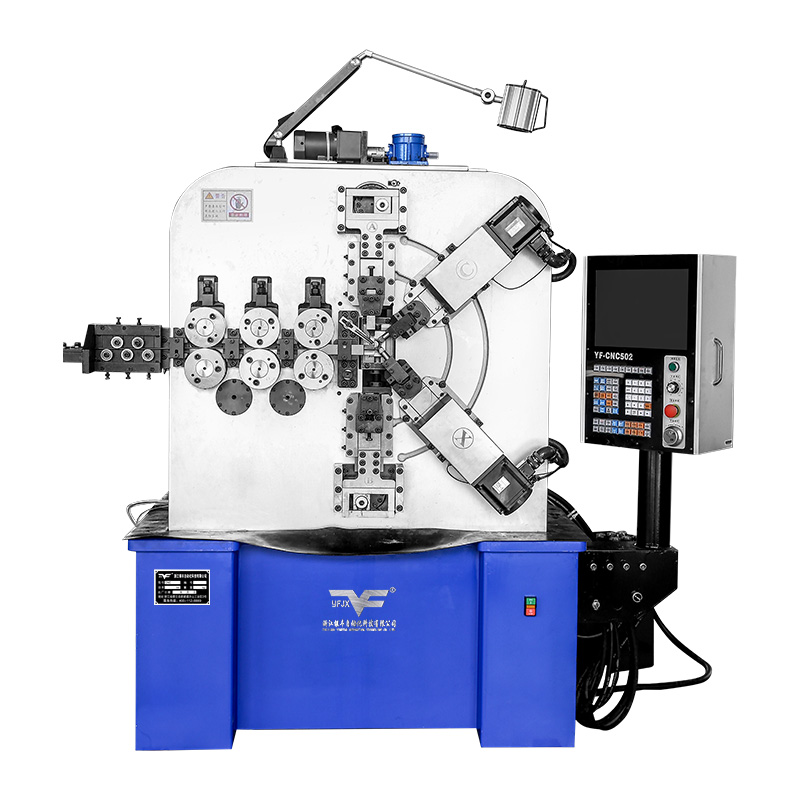
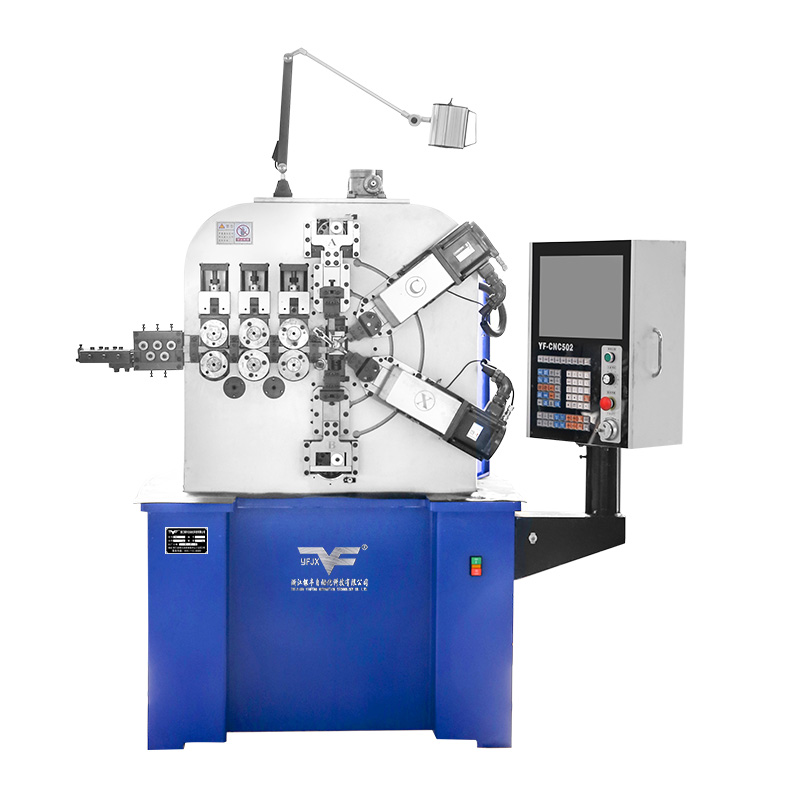
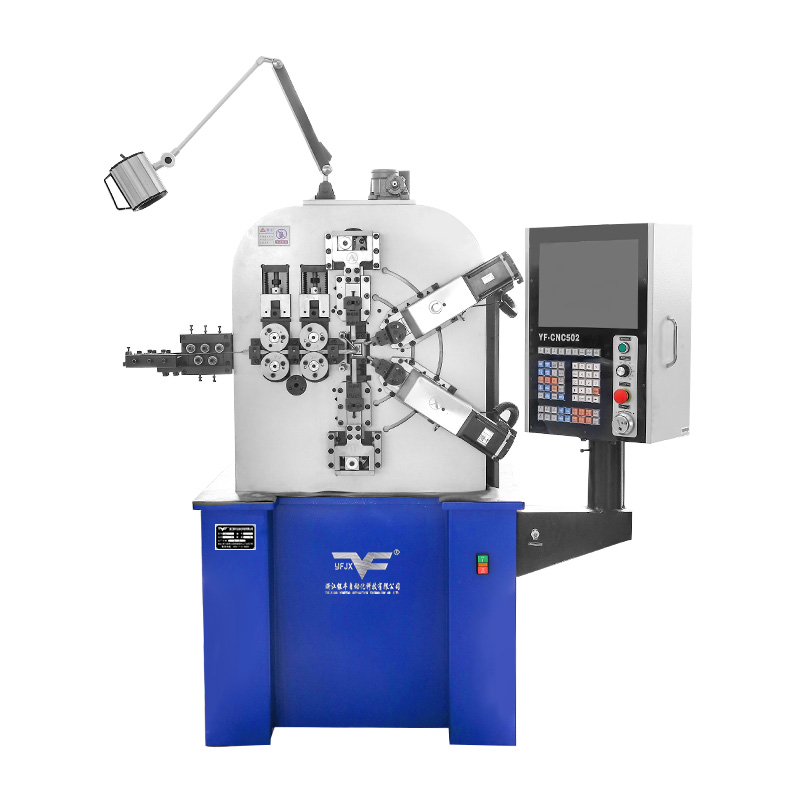
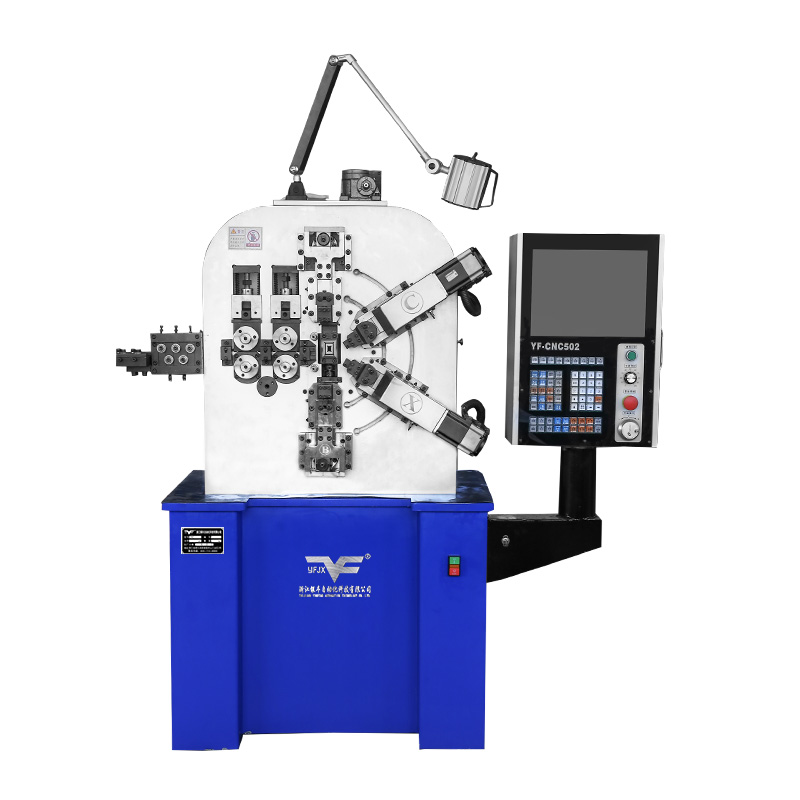
Industry News-For spring manufacturers, choosing a CNC Spring Coiling Machine is no longer simply a matter of comparing machine speed or axis numbers. Production teams are paying closer attention to setup time, wire feeding stability, spring geometry, tooling changes, inspection requirements, and the ability to handle different customer orders without lengthy adjustments. A practical machine selection should therefore start with the actual spring specifications and production workflow rather than a general equipment ranking.
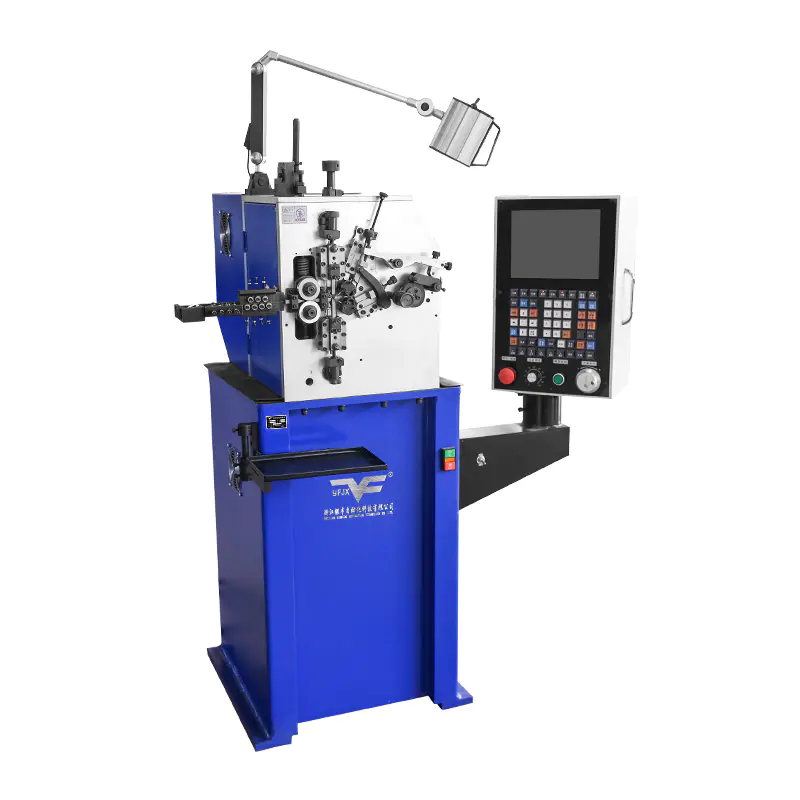
Match the Machine to the Spring Design
The consideration is the type of spring being produced. Compression, extension, torsion, conical, and irregular wire forms can require different combinations of feeding, coiling, cutting, and forming movements. Multi-axis CNC equipment can provide independent control of different forming actions, which is useful when spring geometry becomes more complex.
Before requesting quotations, manufacturers should prepare:
- Wire material and diameter range
- Spring outer diameter and free length
- Pitch and coil geometry
- End configuration
- Expected production volume
- Required dimensional and functional inspection
This information allows equipment suppliers to recommend a configuration based on the application rather than simply offering a standard machine.
Servo Control Matters During Continuous Production
Wire feeding and forming movements directly influence the repeatability of finished springs. Modern CNC spring machines commonly use servo-driven axes so feeding and forming operations can be programmed and coordinated with greater control. Some systems also allow different axes to operate synchronously or independently, providing additional flexibility for complicated spring profiles.
For buyers, the practical issue is not the number of servo motors alone. The control system should be evaluated according to the spring geometry, adjustment method, programming workflow, and compatibility between the machine and tooling.
Reduce Setup Problems Between Orders
Spring manufacturers often handle multiple specifications rather than one continuous product. Frequent changes in wire diameter, pitch, coil diameter, or end shape can turn setup into a significant production concern.
A CNC spring coiling system with programmable parameters and organized tooling procedures can help operators move between jobs more systematically. Some commercial systems also provide documented tooling or setup procedures to support repeatable changeovers.
For procurement teams, asking about setup procedures can be just as important as asking about the machine's production capability.
Build Quality Control Into the Process
Dimensional consistency depends on more than the CNC controller. Wire condition, tooling wear, feeding accuracy, machine adjustment, and inspection methods can all influence the final spring.
Manufacturers should consider whether the proposed production line supports in-process monitoring, automatic detection, or convenient dimensional inspection. Current spring manufacturing practices increasingly combine CNC forming with measurement and traceability systems to identify process variation earlier.
This approach can reduce the risk of discovering dimensional problems only after a batch has been completed.
Consider Materials and Future Orders
A machine should also fit the materials that the factory expects to process. Stainless steel, music wire, alloy spring steel, and other materials can behave differently during coiling and forming. Tooling, feeding components, and forming settings may therefore need to reflect the material and wire diameter.
Buyers should also consider future product development. A machine selected only for today's standard compression springs may become restrictive when customers later request torsion springs, irregular wire forms, or different diameter ranges.
Evaluate Support Beyond Machine Delivery
For industrial equipment, commissioning and technical support can influence the practical value of the investment. Installation guidance, operator training, spare parts, troubleshooting procedures, and remote technical assistance should be discussed before purchase.
As a manufacturer, we recommend evaluating the complete production solution rather than judging a CNC Spring Coiling Machine by a single specification. A suitable machine should match the wire range, spring geometry, tooling requirements, production workflow, and quality-control plan, giving manufacturers a practical foundation for stable production and future order flexibility.
Our Products //
Related Products

Copyright © Zhejiang Yinfeng Automation Technology Co., Ltd. All Rights Reserved. 
Sale Automatic Spring Making Machine