

 English
 русский
 Español
 简体中文
简体中文
3D 2D CNC Wire Bending Machine Differences Between 2D and 3D Models
Industry News-The 3D 2D CNC Wire Bending Machine has become an essential tool in modern manufacturing, especially for producing complex wire components efficiently. Businesses and production facilities are increasingly exploring the differences between 2D and 3D machines to understand which solutions suit specific applications. In addition to wire bending, related equipment such as the Spiral Spring Making Machine plays a critical role in the production of springs, providing precision in coiling processes and complementing bending machinery for comprehensive manufacturing needs.
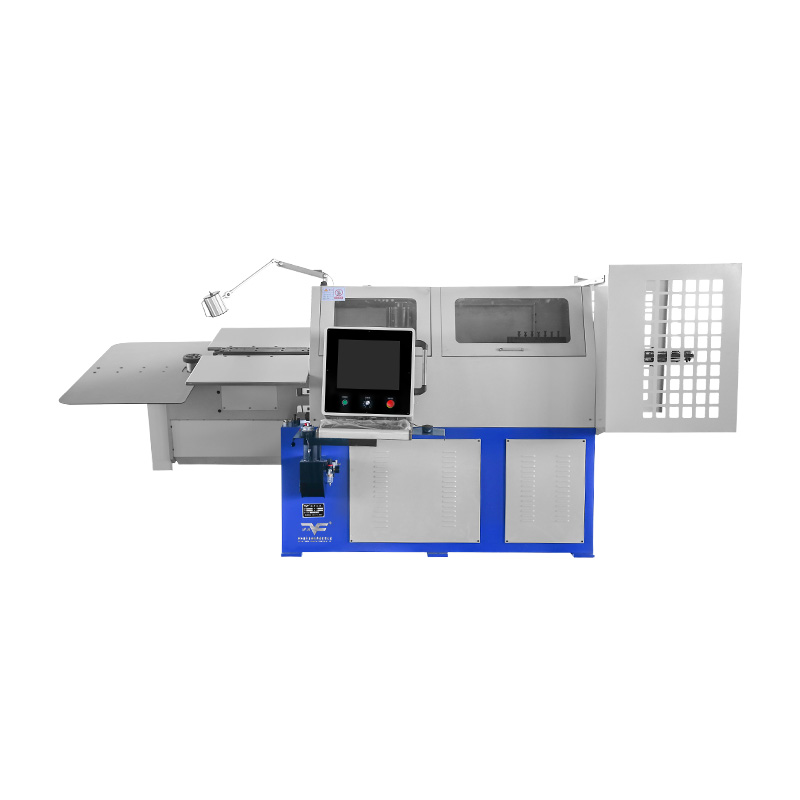
Understanding 2D Wire Bending Machines
2D wire bending machines are designed to operate in a single plane, making them suitable for creating flat shapes, rectangular frames, or simple loops. These machines offer a balance between operational simplicity and production efficiency. They are commonly used in applications that do not require intricate three-dimensional shapes. While 2D machines focus on linear and planar designs, the Spiral Spring Making Machine handles round and helical forms with high consistency, allowing manufacturers to produce uniform springs with controlled dimensions.
Exploring 3D Wire Bending Machines
3D wire bending machines extend the capabilities of 2D models by enabling operations along multiple axes. This allows the creation of complex geometries, such as bent wires that fit into curved assemblies or intricate components for mechanical systems. These machines are particularly valuable in industries where space constraints or part complexity demand more advanced bending solutions. The Spiral Spring Making Machine complements 3D bending machines by producing tightly coiled springs that can be integrated into mechanical assemblies requiring both precision and elasticity.
Comparing Use Cases
Choosing between 2D and 3D wire bending machines often depends on the complexity of the required components and the production scale. Flat metal frames, simple brackets, or wire cages may be effectively produced using a 2D machine. In contrast, automotive components, furniture frames, and industrial fixtures often require 3D bending capabilities. Spiral springs, on the other hand, require specialized coiling, which is achieved efficiently using a Spiral Spring Making Machine. By combining both types of equipment, manufacturers can expand the range of products and achieve more intricate assemblies.
Practical Considerations
When evaluating wire-bending equipment, several factors should be considered. Automation and CNC control provide higher accuracy and repeatability, while machine durability and maintenance requirements affect long-term operational efficiency. The Spiral Spring Making Machine also requires attention to coil tension, material type, and size flexibility to produce consistent spring products. Combining these technologies in a production line can increase overall efficiency and allow for the simultaneous production of bent wire components and precision springs.
The differences between 2D and 3D wire bending machines highlight the importance of selecting equipment according to part complexity and application requirements. Incorporating a Spiral Spring Making Machine into production allows manufacturers to expand their capabilities further, producing high-quality springs alongside bent wire components. By understanding the strengths and limitations of each system, businesses can achieve efficient and reliable manufacturing outcomes.
In summary, 2D and 3D CNC wire bending are not competing technologies but complementary points on a capability continuum. The 2D machine handles planar complexity with efficiency, while the 3D machine unlocks volumetric design. Recognizing this allows manufacturers to select equipment based on geometric requirements. Furthermore, acknowledging that specialized equipment like the Spiral Spring Making Machine exists for standardized elastic components provides a more complete picture of the wire fabrication ecosystem. Each machine type has its domain, and together, they address a vast range of modern manufacturing needs for wire-based parts.
Our Products //
Related Products

Copyright © Zhejiang Yinfeng Automation Technology Co., Ltd. All Rights Reserved. 
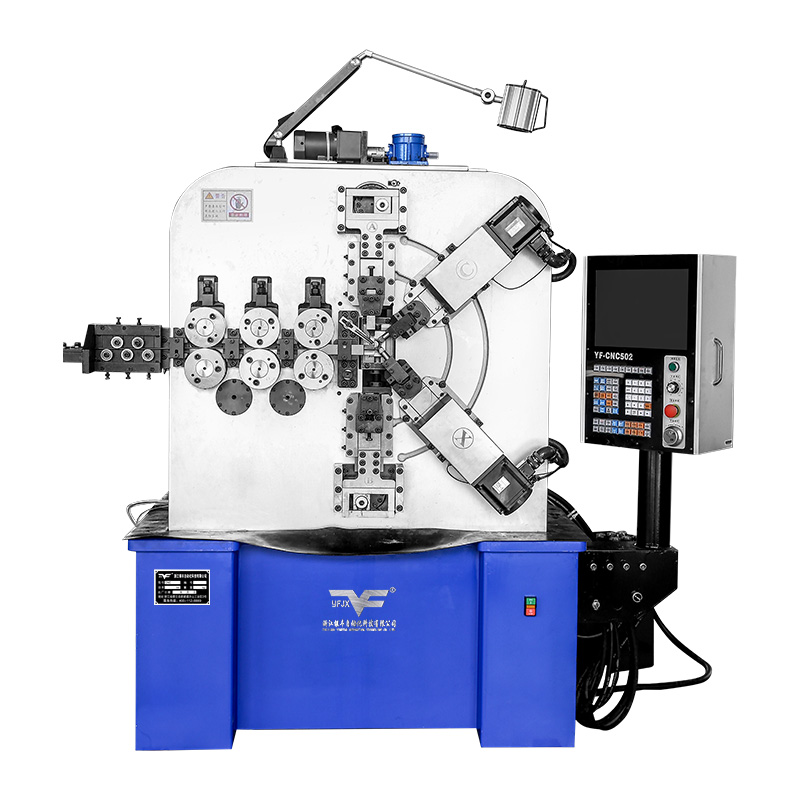
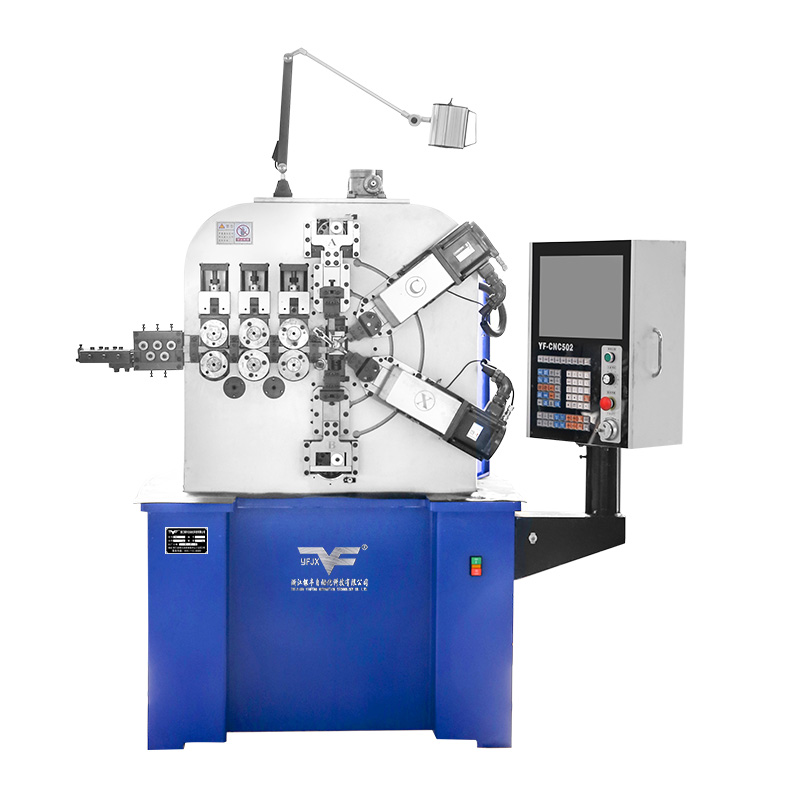
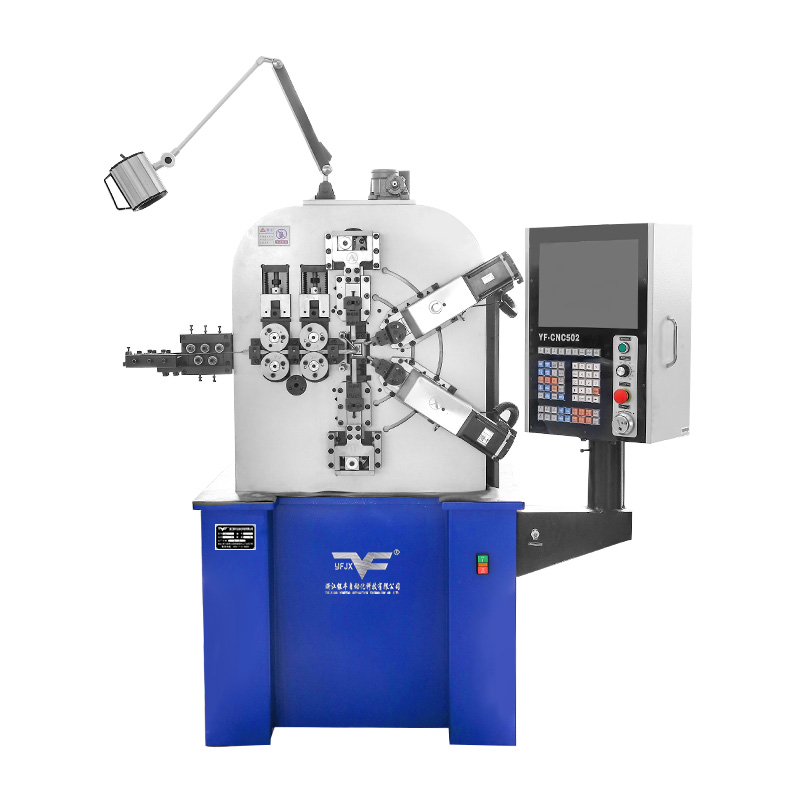
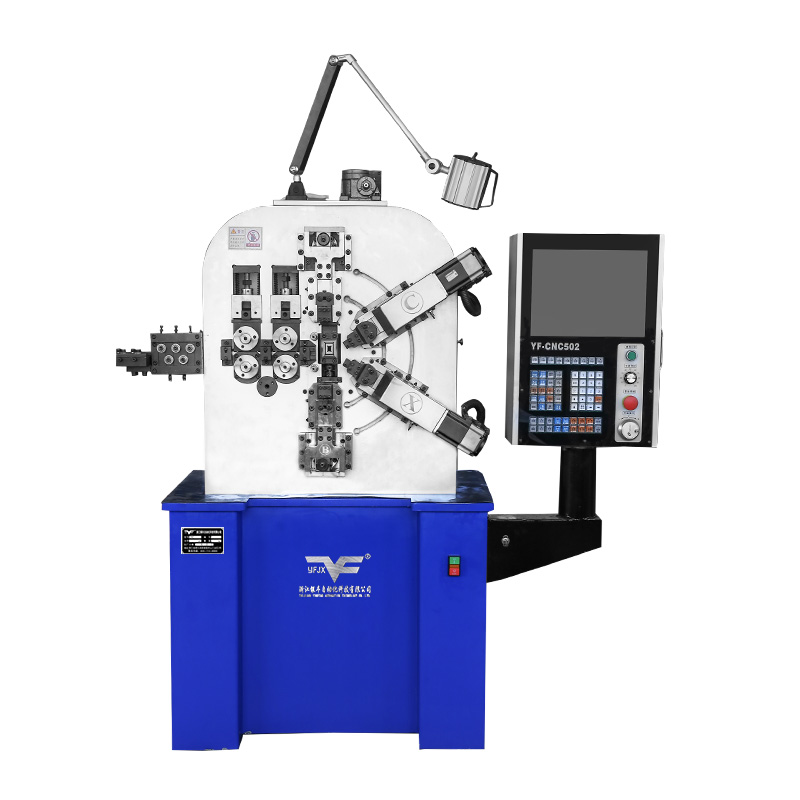
Sale Automatic Spring Making Machine