

 English
 русский
 Español
 简体中文
简体中文
Spiral Spring Making Machine Safety Protocols: Essential Guidelines for Operators and Technicians
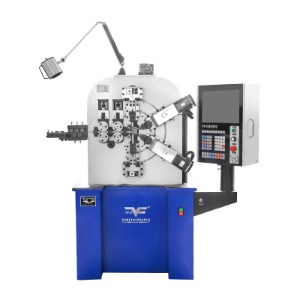
Industry News-Working with a Spiral Spring Making Machine involves interaction with high-speed moving parts, cutting tools, and significant forces. Establishing and adhering to comprehensive safety protocols is not a regulatory formality but a fundamental requirement for protecting personnel and preserving equipment. These guidelines form a foundation for a culture of safety in the spring manufacturing environment.
Establishing Foundational Safety Principles
Before approaching a machine, certain universal rules must be ingrained. Loose clothing, jewelry, gloves, or neckties pose a severe entanglement hazard near rotating arbors and feed mechanisms. Long hair must be securely contained. Every operator must know the location and function of all emergency stop buttons on the machine and within the work area. The workspace around the machine should be kept clean, dry, and free of obstructions to prevent slips, trips, and falls.
Pre-Operational Safety Checks
A systematic safety check should precede starting any production run. This involves verifying that all machine guards and safety covers are in place, secure, and functioning as designed. These guards are critical for containing wire fragments or broken tools. Tools, gauges, and materials should be organized and stored properly, not left on the machine bed or controls. When loading a new program or setting up, using the machine's optional single-cycle or slow-motion function to observe the tool movements without wire can help confirm that the sequence is correct and no collisions are programmed.
Safety During Machine Operation
Once the machine is running, vigilance is key. Operators should maintain a safe distance from the point of operation—the area where the wire is fed, coiled, and cut. Hands and fingers must never be placed in this area while the machine is powered, even if it appears to be stopped. Observations should be made from designated safe positions. If a spring becomes jammed, a wire breaks, or an unusual sound occurs, the correct procedure is to press the emergency stop, then follow lockout/tagout procedures before any investigation or clearing attempt. Assuming the machine is safe because it is paused is a common and dangerous error.
Specific Protocols for Setup and Maintenance
Tasks involving setup, tool changeover, or maintenance introduce distinct hazards and require stricter controls. The lockout/tagout procedure is non-negotiable. This means physically isolating the machine from all energy sources (electrical, pneumatic) using assigned locks and tags, and verifying a zero-energy state before work begins. When adjusting tools or guides, even with power locked out, using the correct tools and following prescribed methods prevents accidental release of tension or movement. For tasks requiring two people, clear communication and coordinated actions are essential to ensure one person is not activating a control while another's hands are near a hazard.
Responding to Incidents
Despite all precautions, incidents may occur. All personnel should be familiar with basic one aid procedures, especially for cuts or impact injuries. The location of first-aid kits and emergency contact information must be clearly posted. Any incident, however minor, should be reported and documented according to company policy. This reporting is not about assigning blame but about understanding causes to prevent recurrence.
Fostering Continuous Safety Engagement
Safety is a dynamic practice. Regular, brief safety meetings to discuss near-misses, review procedures, or introduce reminders for specific tasks help keep awareness high. Encouraging operators to report potential hazards or suggest improvements fosters a shared responsibility for a safe workplace.
Safe operation of a Spiral Spring Making Machine is built on a framework of clear principles, consistent pre-checks, disciplined behavior during operation, rigorous procedures for non-production tasks, and a commitment to continuous learning. Integrating these protocols into daily practice is an effective way to ensure that every shift concludes without injury.
Our Products //
Related Products

Copyright © Zhejiang Yinfeng Automation Technology Co., Ltd. All Rights Reserved. 
Sale Automatic Spring Making Machine