

 English
 русский
 Español
 简体中文

Adapting Spring Manufacturing to Custom Orders and Shorter Production Runs
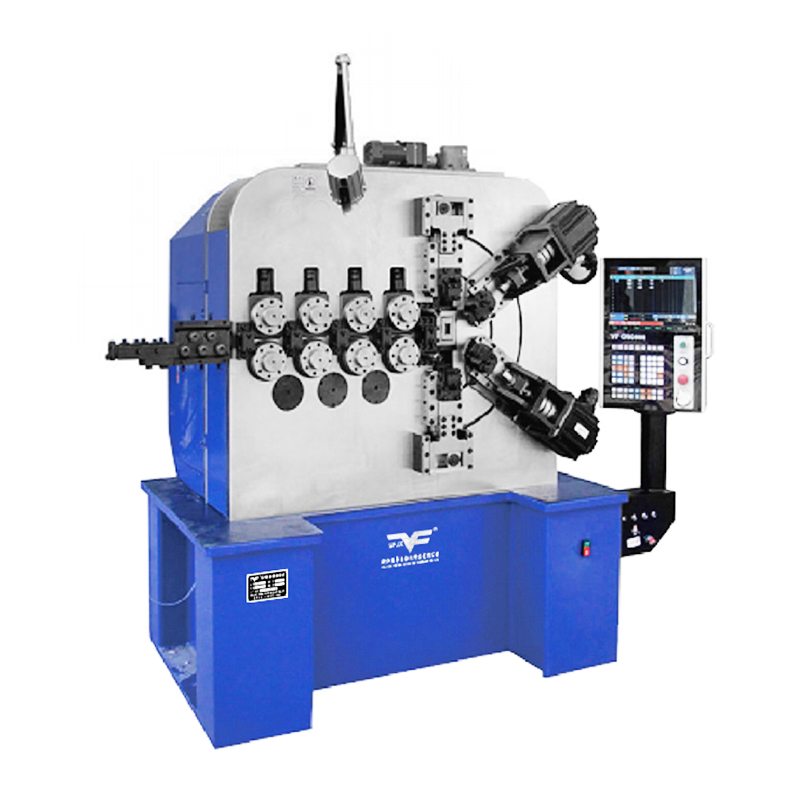
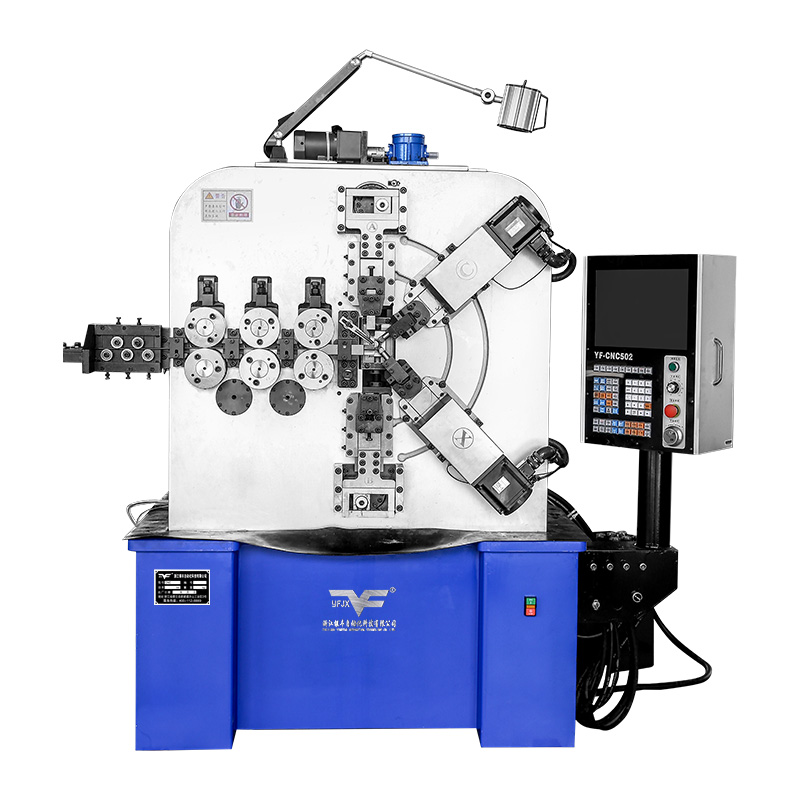
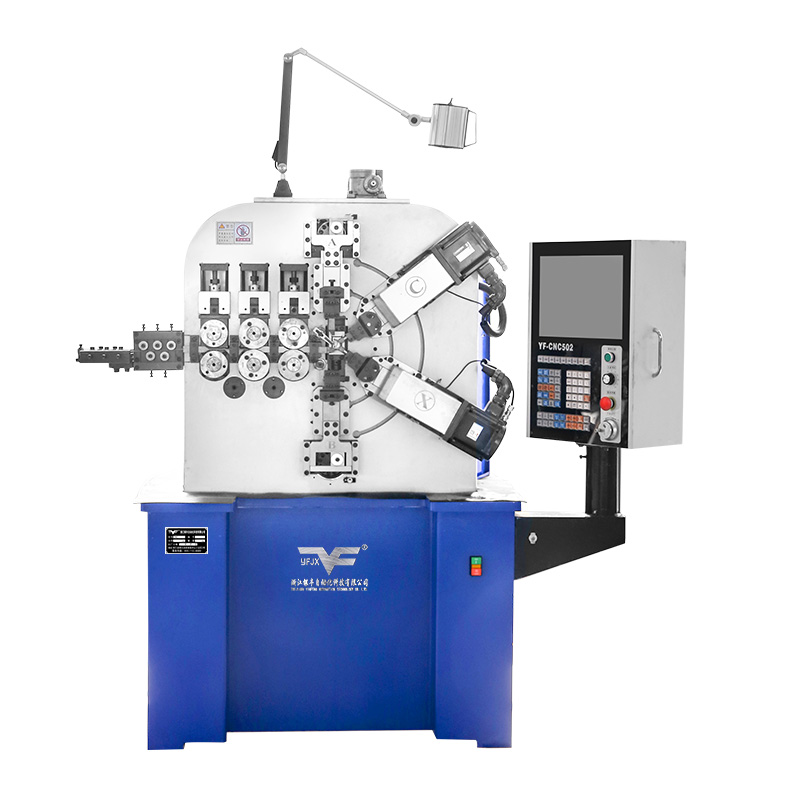
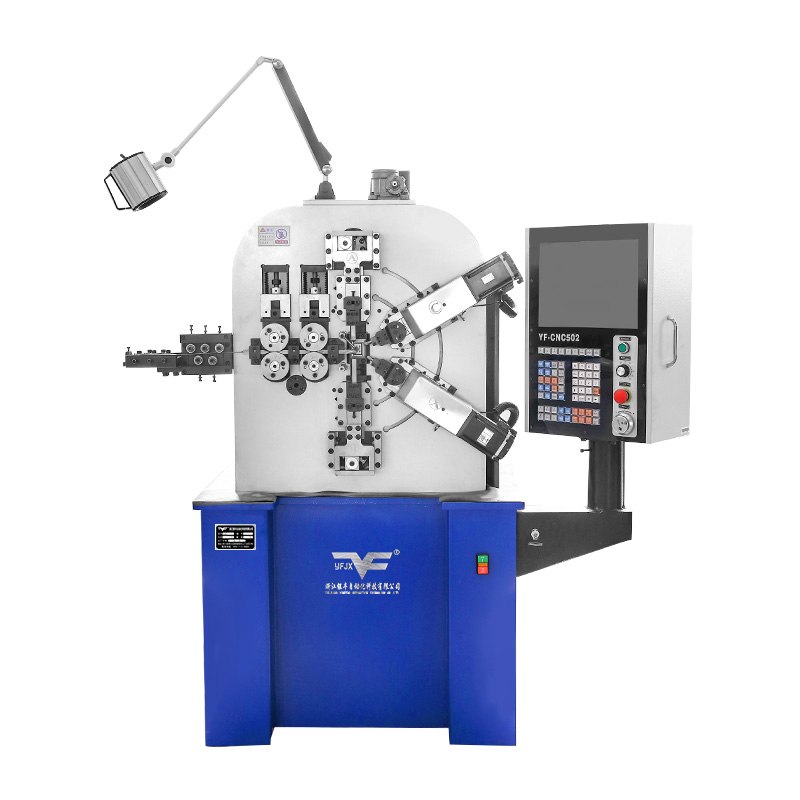
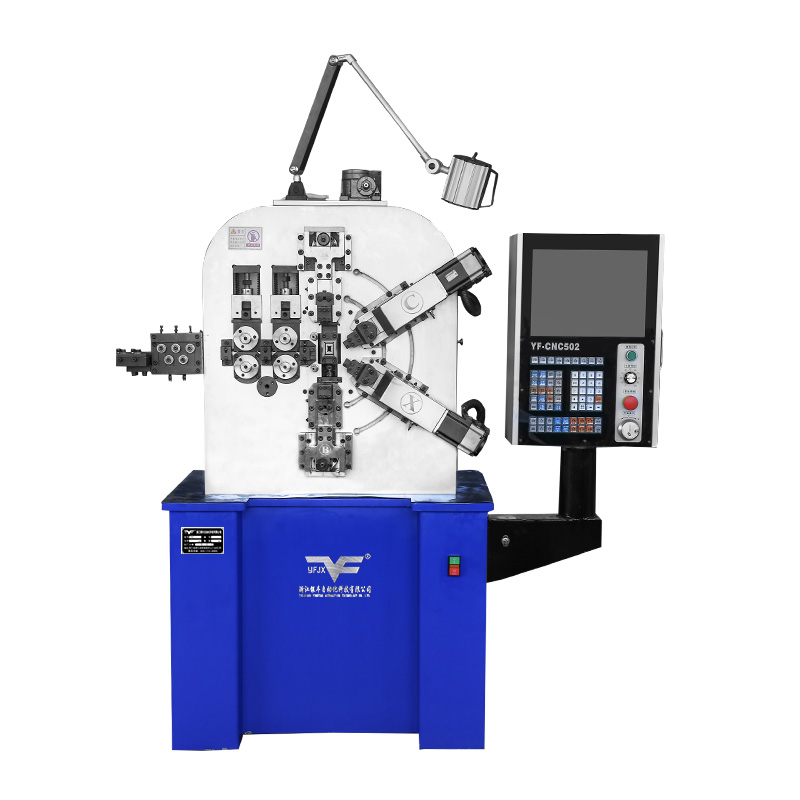
Industry News-Growing demand for customized components is changing how spring manufacturers organize their production lines. Customers in automotive systems, medical equipment, electronics, and industrial machinery may require different spring dimensions, materials, and performance characteristics within the same order cycle. A versatile Coil Spring Machine can help manufacturers manage these changing requirements, provided that machine configuration, tooling preparation, and production planning are properly coordinated.
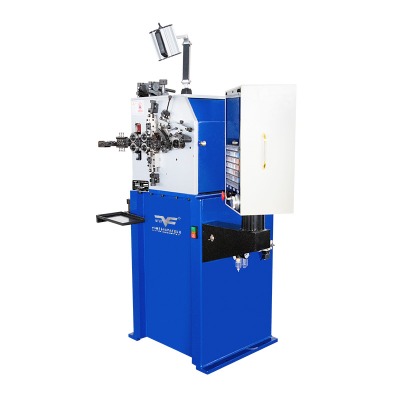
Flexibility Starts With the Right Machine Configuration
Not every spring production line faces the same challenges. Manufacturers producing a limited range of standardized springs may prioritize stable output, while custom spring producers often need greater flexibility when switching between product specifications.
Before investing in a CNC spring coiling machine, buyers should evaluate the wire diameter range, supported spring geometries, control functions, and tooling options. These factors determine which products can be manufactured efficiently on the same equipment. Reviewing actual customer drawings with the supplier can also reveal whether additional tooling or specialized forming capabilities will be necessary.
Make Product Changeovers More Predictable
Frequent changeovers can consume production time when tooling, programs, and inspection requirements are not prepared in advance. A standardized changeover procedure helps reduce confusion and makes production planning more reliable.
Manufacturers can improve the process by preparing the next job's tooling before the current batch finishes, verifying the correct CNC program, and organizing the required inspection equipment. Recording setup details for recurring products also reduces dependence on individual operator experience. These practices are particularly valuable for factories handling small batches or frequent engineering changes.
Manage Multiple Spring Specifications With CNC Programming
CNC control allows operators to manage forming movements and relevant production parameters according to the machine's capabilities. For manufacturers handling customized orders, program storage can simplify the return to previously approved product settings.
However, an existing program should not automatically be treated as ready for every production run. Changes in wire material, tooling condition, or product tolerances may affect forming results. Operators should verify initial samples against the current drawing and document any approved adjustments before releasing the batch for continuous production.
Choose Materials According to Application Requirements
Custom spring orders often involve more than dimensional changes. Wire grade, corrosion resistance, strength requirements, and operating conditions can all influence material selection and forming behavior.
For example, stainless steel may be appropriate for applications requiring corrosion resistance, while other spring steels may be selected according to load and fatigue requirements. The final choice should follow the engineering specification rather than a general material preference. Buyers should confirm that the proposed machine can process the intended wire diameter and material under the required production conditions.
Maintain Consistent Quality Across Small Batches
Short production runs can create quality challenges because operators have less opportunity to identify process variation before a batch is completed. First-piece inspection is therefore particularly important when introducing a new spring design or restarting an existing order.
Depending on the application, quality checks may include:
- Outside diameter, free length, and coil pitch.
- Spring end geometry and surface condition.
- Load performance against specified test requirements.
- Material identification and batch traceability.
Clear acceptance criteria help production teams detect deviations early and reduce the risk of delivering nonconforming components.
Consider the Full Cost of Production Flexibility
A flexible machine should be evaluated by its practical contribution to production, not simply by the number of functions listed in its specifications. Tooling costs, programming requirements, operator training, maintenance, and changeover procedures all affect the economics of customized spring manufacturing.
During equipment evaluation, buyers should ask suppliers to demonstrate representative spring designs and explain the setup process. Sample production can help establish whether the machine meets dimensional requirements and whether the proposed workflow fits the factory's order structure.
Prepare for Changing Customer Requirements
As customers increasingly expect product customization and dependable delivery schedules, spring manufacturers need equipment and processes that can accommodate variation without compromising quality. We recommend selecting a Coil Spring Machine based on the actual product range, material requirements, batch sizes, and future production plans. Combined with organized tooling management, verified CNC programs, and consistent inspection procedures, the right equipment can help manufacturers respond to custom orders with greater control and confidence.
Our Products //
Related Products

Copyright © Zhejiang Yinfeng Automation Technology Co., Ltd. All Rights Reserved. 
Sale Automatic Spring Making Machine