

 English
 русский
 Español
 简体中文

Improving Material Efficiency in CNC Spring Coiling Operations
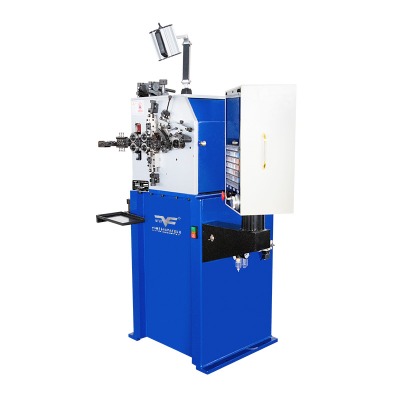
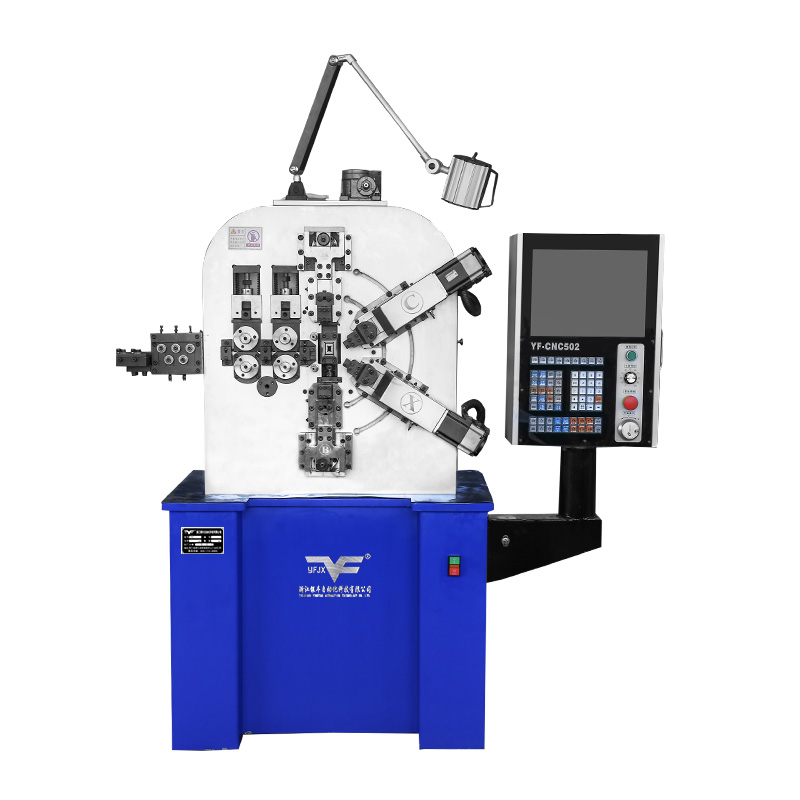
Industry News-Material costs and production waste remain important concerns for spring manufacturers serving automotive, electronics, industrial machinery, and hardware markets. A properly configured Coil Spring Machine can help manufacturers improve forming consistency, reduce avoidable wire waste, and maintain stable production quality. However, material efficiency depends on more than machine speed. Wire feeding accuracy, tooling condition, programming decisions, and inspection procedures all influence how effectively raw materials are converted into finished springs.
Identify the Sources of Wire Waste
Wire waste can occur during machine setup, product changeovers, trial runs, and the production of nonconforming parts. Incorrect spring dimensions may require repeated adjustments, while unstable feeding can result in inconsistent forming and unnecessary scrap.
Manufacturers should identify when waste occurs and which spring specifications are frequently affected. Separating setup waste from defects generated during continuous production makes it easier to determine the underlying causes. Production records can then help operators prioritize improvements instead of relying on repeated manual adjustments.
Optimize Wire Feeding Stability
Consistent wire feeding is essential for maintaining spring geometry. Variations in feed pressure, roller wear, or wire alignment may affect coil diameter, pitch, and overall spring dimensions. These problems can increase rejection rates even when the machine program remains unchanged.
Regular inspection of feeding rollers and guides helps maintain stable wire movement. Operators should also verify that the wire diameter matches the tooling and machine configuration. When processing different wire materials, manufacturers may need to adjust feeding and forming parameters according to material characteristics and equipment recommendations.
Reduce Trial Runs Through Better Programming
Frequent parameter adjustments can consume valuable wire before a production batch reaches the required specifications. CNC spring coiling machines with suitable program storage and control functions can help manufacturers reproduce established settings for recurring orders.
To make programming more effective, production teams should maintain clear records of approved parameters, tooling combinations, and sample inspection results. When introducing a new spring design, operators can use the product drawing and previous experience with similar parts to guide initial setup. Trial production remains necessary, but a structured process can make adjustments more targeted and reduce unnecessary experimentation.
Maintain Tooling to Protect Production Quality
Worn or damaged forming tools may contribute to surface marks, dimensional variation, and unstable spring formation. Continuing production without addressing these conditions can increase scrap and create additional inspection work.
A preventive maintenance plan should include routine checks of forming tools, feeding components, lubrication points, and other serviceable parts specified by the machine manufacturer. Replacing worn tooling at an appropriate stage can help maintain consistent forming conditions. Maintenance records also make it easier to identify recurring wear patterns and plan replacement activities around production schedules.
Monitor Quality Throughout the Production Run
Inspecting only finished batches may allow defects to continue unnoticed for too long. A more effective approach combines -piece approval with periodic dimensional checks and application-specific testing.
Key inspection items may include wire diameter, spring outside diameter, free length, pitch, and load performance. The appropriate inspection frequency depends on product risk, customer specifications, and process stability. If measurements begin to drift, operators should investigate the feeding system, tooling condition, and forming parameters before continuing production.
Evaluate Efficiency Beyond Machine Speed
A machine's advertised operating speed does not necessarily reflect its overall production efficiency. Frequent adjustments, extended changeovers, material rejection, and maintenance interruptions can offset the benefits of faster forming cycles.
When comparing spring manufacturing equipment, buyers should consider the supported wire range, programming capabilities, setup requirements, tooling flexibility, and availability of technical assistance. Sample trials using actual production materials can help establish whether a machine is suitable for the intended spring designs and quality requirements.
Build a More Cost-Conscious Production Process
Improving material efficiency requires coordinated control of equipment, materials, programming, and inspection. As a manufacturer, we recommend evaluating every Coil Spring Machine against actual production requirements rather than focusing on individual performance specifications alone. With stable wire feeding, well-maintained tooling, documented setup procedures, and consistent quality checks, spring producers can reduce avoidable waste while supporting dependable output and long-term manufacturing efficiency.
Our Products //
Related Products

Copyright © Zhejiang Yinfeng Automation Technology Co., Ltd. All Rights Reserved. 
Sale Automatic Spring Making Machine