

 English
 русский
 Español
 简体中文
简体中文
Reducing Setup Errors in Multi-Specification Spring Manufacturing
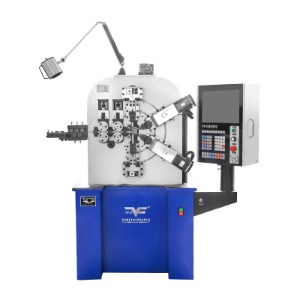
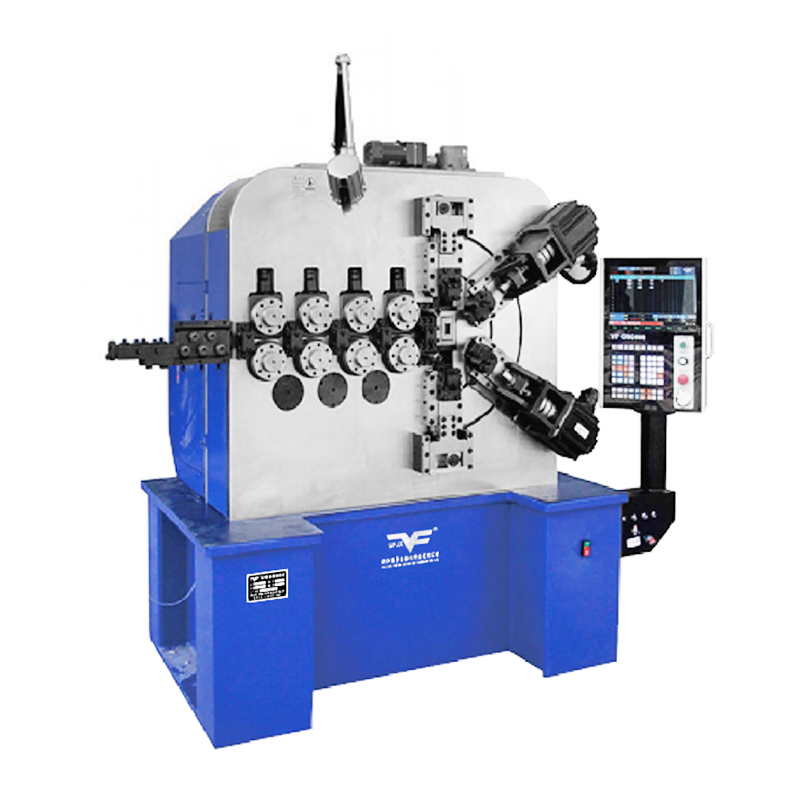
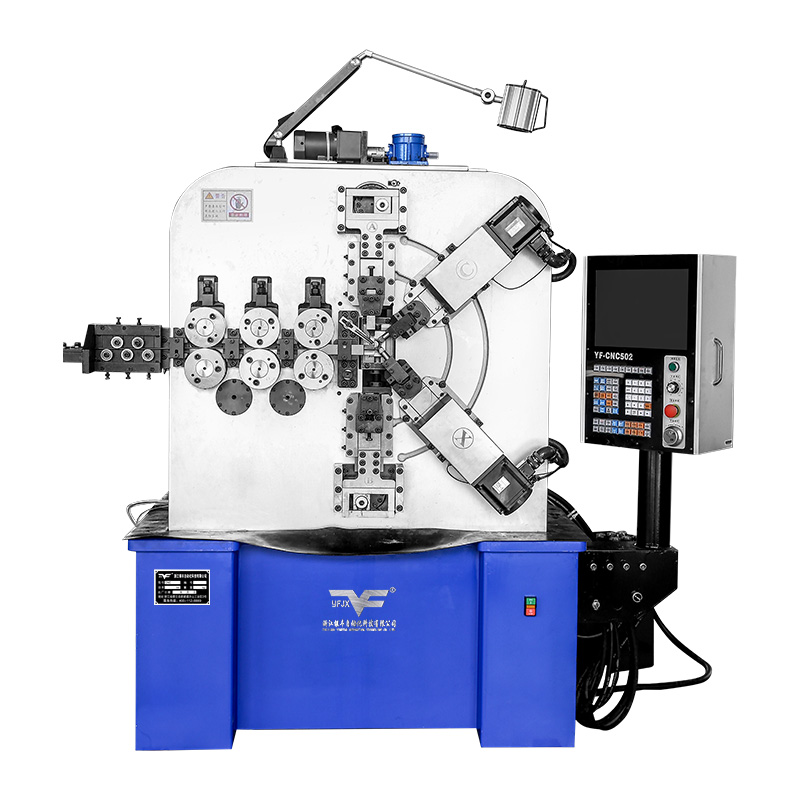
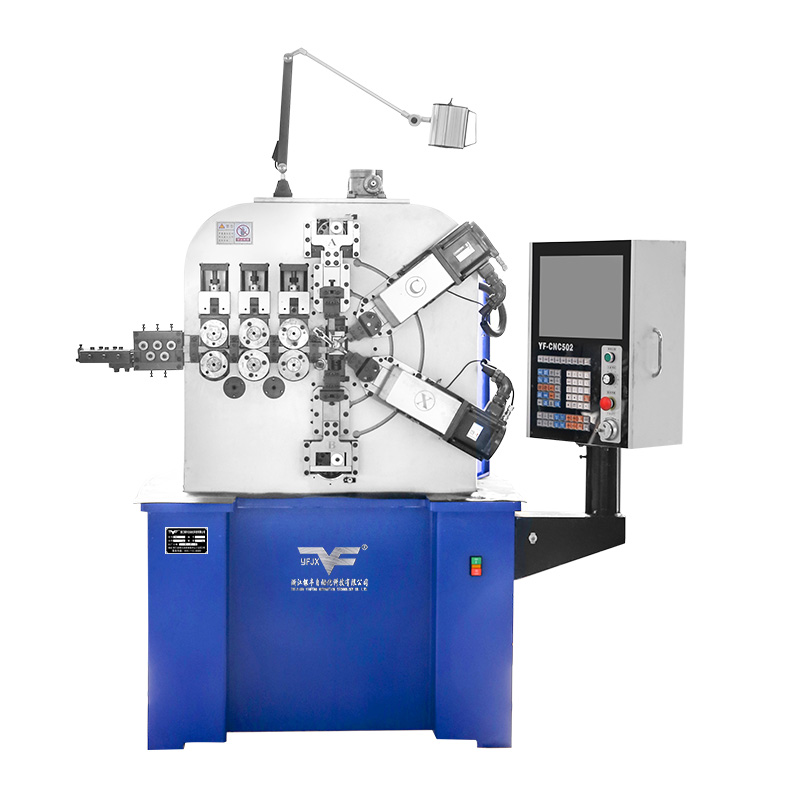
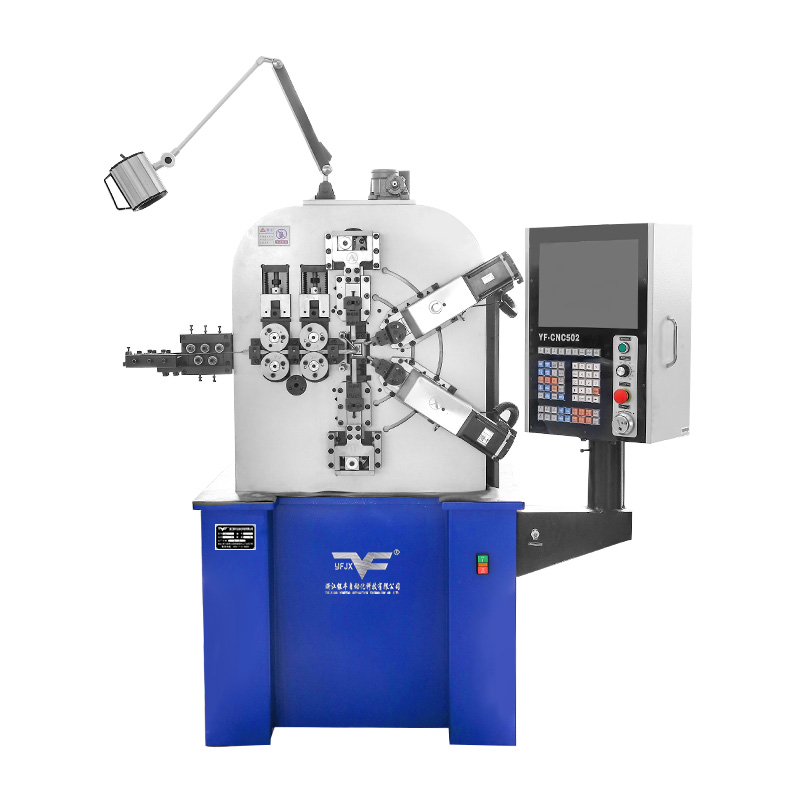
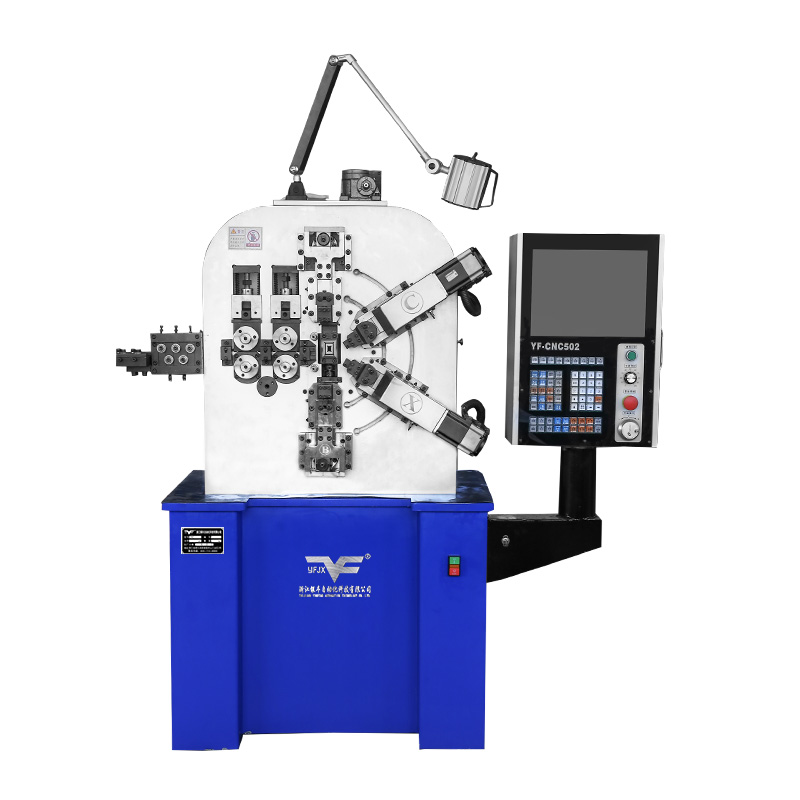
Industry News-A well-configured Coil Spring Machine can help manufacturers handle changing order requirements without sacrificing dimensional consistency or production efficiency. For factories supplying automotive components, electrical products, industrial equipment, and general hardware, frequent changes in spring specifications can create challenges in tooling preparation, parameter adjustment, and quality inspection. A structured approach to machine setup helps reduce avoidable production errors while making small-batch and customized orders easier to manage.
Prepare Tooling Before Production Begins
Incorrect tooling selection can cause unstable forming, surface scratches, and dimensional deviations. Before starting a new job, operators should confirm the wire diameter, spring geometry, material characteristics, and drawing requirements. Forming tools must be compatible with the intended spring design and the machine configuration.
We recommend preparing the required tooling and checking its condition before removing the tools used for the previous order. This simple preparation step can prevent unnecessary interruptions and reduce the risk of installing unsuitable components. Tool wear should also be considered when investigating recurring defects across multiple production batches.
Establish a Repeatable Setup Procedure
Spring production becomes more difficult to control when setup depends entirely on individual operator experience. A documented procedure provides a consistent reference for machine adjustments, tooling positions, and sample approval.
A practical setup checklist should cover:
- Verification of the production drawing and material specifications.
- Confirmation of tooling installation and wire feeding alignment.
- Review of the relevant CNC program and forming parameters.
- Inspection of initial samples before continuous production.
- Recording of approved settings for future repeat orders.
These records make troubleshooting more systematic and help operators identify differences between successful and unsuccessful production runs.
Improve CNC Parameter Management
Modern CNC spring coiling equipment can store programs for different spring specifications, depending on the control system. However, retrieving an existing program does not eliminate the need for verification. Changes in wire batches, tooling condition, or material properties may require adjustments before the machine produces acceptable parts.
Manufacturers should keep program names clear and link them to the relevant product drawings or internal job numbers. When an adjustment is necessary, recording the reason and result helps prevent repeated trial-and-error operations. This approach is particularly useful for factories managing numerous spring models with similar dimensions but different pitch, coil diameter, or end configurations.
Detect Defects Before They Affect an Entire Batch
Dimensional problems often become more expensive when they remain unnoticed during continuous production. First-piece inspection should therefore be followed by checks at intervals appropriate to the production risk and customer requirements.
Common issues include uneven coil spacing, incorrect free length, inconsistent coil diameter, and distorted spring ends. Operators should compare measurements with approved drawings and investigate deviations before making further adjustments. For critical applications, load testing and fatigue-related validation may also be required under the relevant specifications.
Coordinate Material Handling With Machine Settings
Spring wire condition directly influences forming behavior. Differences in wire diameter, tensile properties, surface condition, or material grade can affect the finished spring even when the same CNC program is used.
Incoming material inspection helps identify potential inconsistencies before production starts. Wire should also be stored and handled according to its material requirements to reduce contamination, tangling, and surface damage. When a new material supplier or wire specification is introduced, trial forming provides an opportunity to confirm compatibility and determine whether process settings need revision.
Select Equipment for Real Production Conditions
When purchasing a CNC coil spring machine, buyers should look beyond advertised forming speed. The supported wire diameter range, achievable spring geometry, control functions, tooling flexibility, and technical support all influence practical production performance.
Manufacturers producing frequent custom orders may benefit from flexible programming and efficient changeover arrangements. Factories focused on repeat production may place greater emphasis on cycle stability, process monitoring, and integration with inspection systems. Evaluating representative samples and discussing actual production requirements with the equipment supplier can help buyers make a more informed investment.
Turn Setup Control Into a Competitive Advantage
Consistent setup practices help spring manufacturers reduce avoidable errors, improve repeatability, and respond more effectively to changing customer specifications. As an equipment manufacturer, we encourage buyers to assess a Coil Spring Machine alongside its tooling options, programming capabilities, maintenance requirements, and application support. Combining suitable equipment with documented procedures creates a more dependable production process and supports long-term manufacturing efficiency.
Our Products //
Related Products

Copyright © Zhejiang Yinfeng Automation Technology Co., Ltd. All Rights Reserved. 
Sale Automatic Spring Making Machine