

 English
 русский
 Español
 简体中文
简体中文
Improving Spring Production Consistency Through Smarter Coil Spring Machine Selection
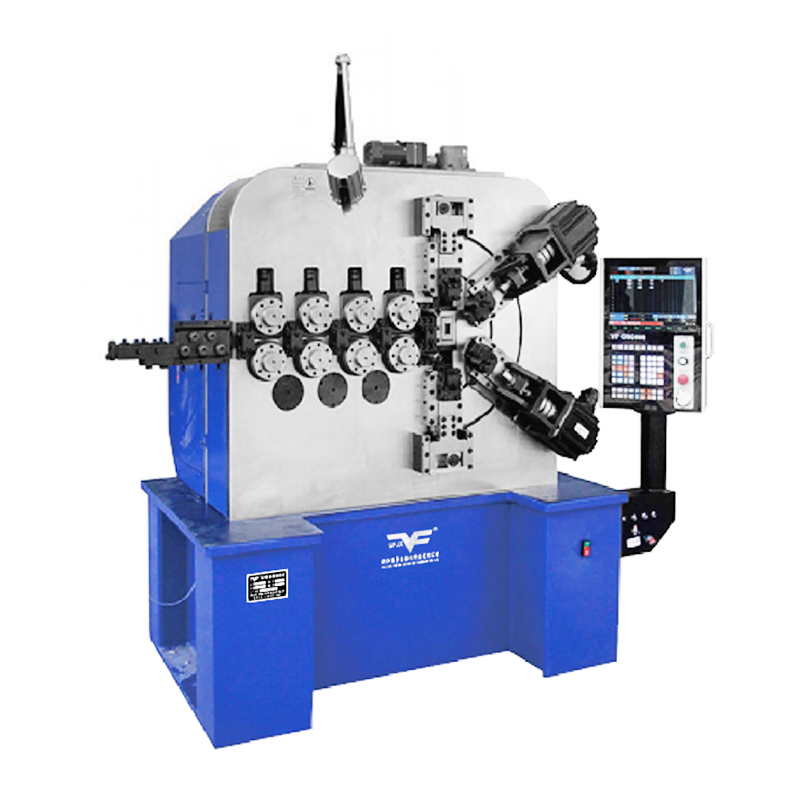
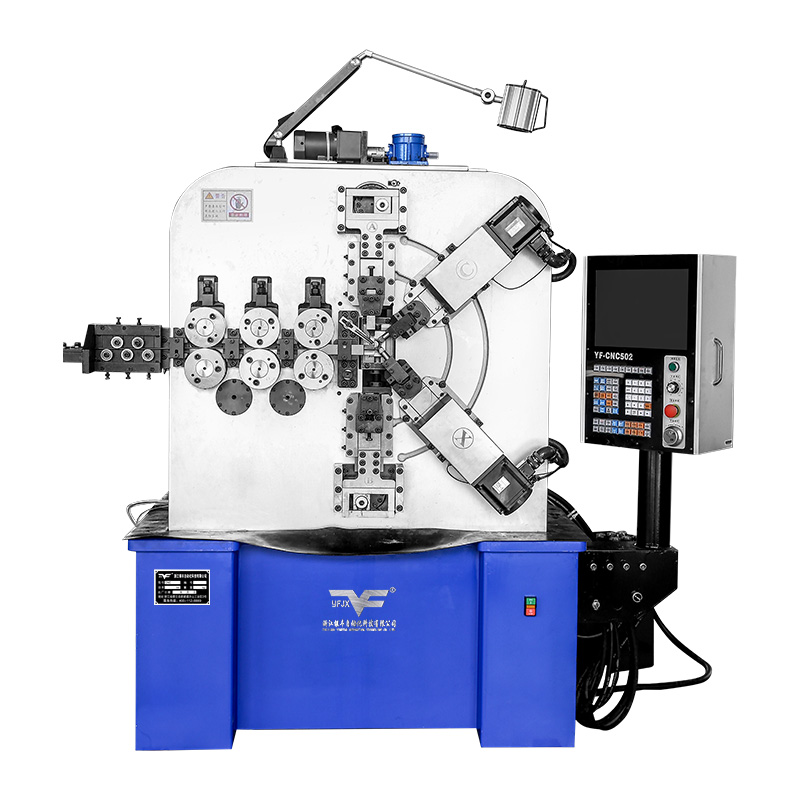
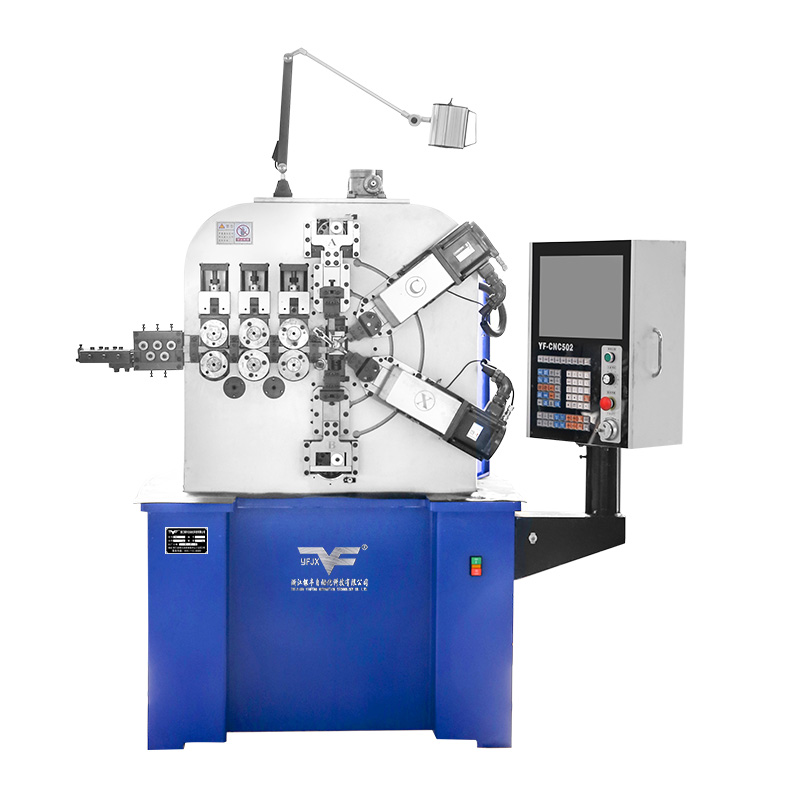
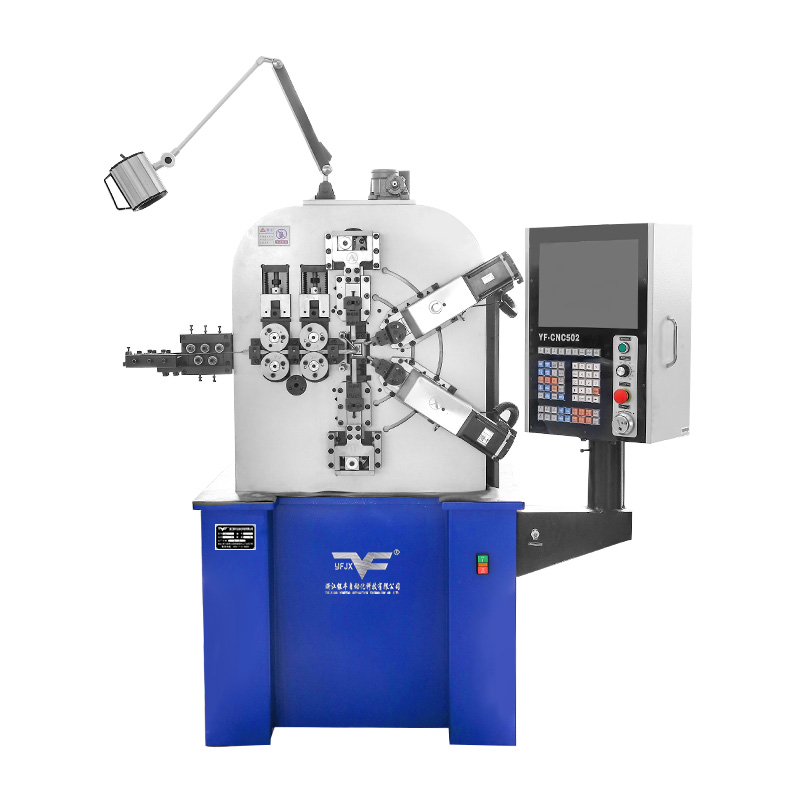
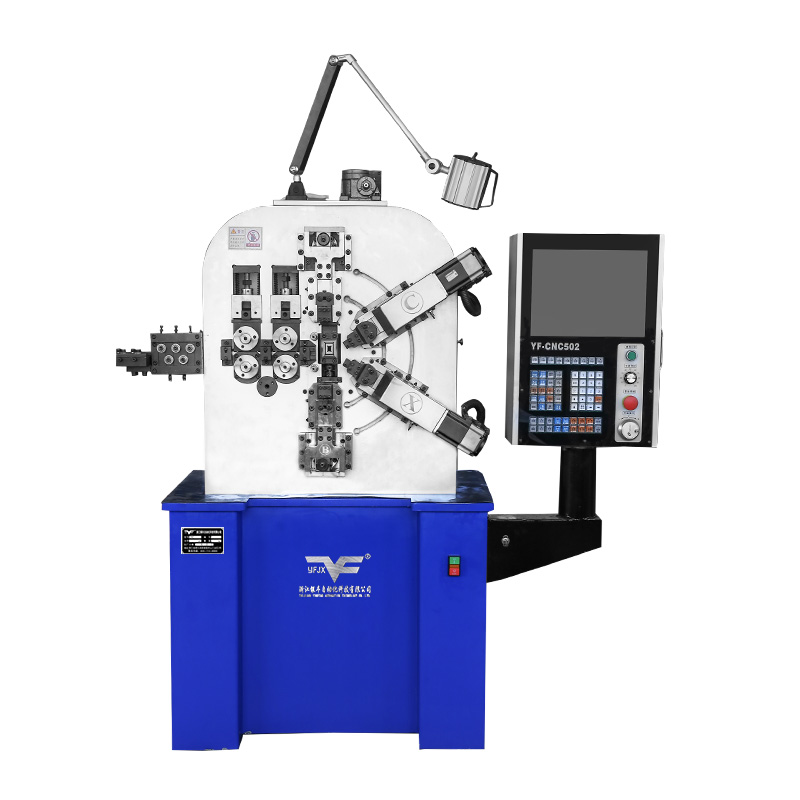
Industry News-A reliable Coil Spring Machine is essential for manufacturers seeking consistent spring dimensions, efficient material use, and dependable production schedules. As industrial customers demand more customized components and shorter times, spring producers must balance flexibility with manufacturing precision. Selecting suitable equipment and refining daily operating procedures can help address common production challenges, from unstable wire feeding to inconsistent spring pitch and excessive setup time.
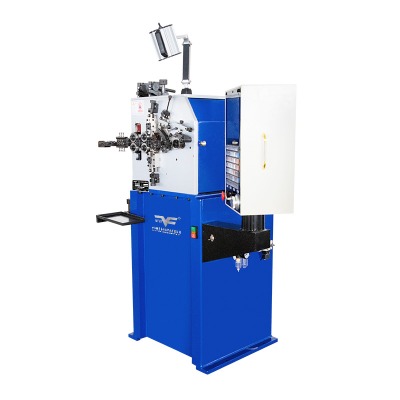
Match Machine Configuration to Spring Requirements
Different spring designs place different demands on forming equipment. Compression springs, extension springs, and torsion springs require specific forming movements, tooling arrangements, and control capabilities. Before purchasing a CNC coil spring machine, manufacturers should define their intended wire diameter range, spring geometry, material types, and expected output.
A machine selected around actual production requirements is more likely to support repeatable results without unnecessary equipment complexity. For factories producing multiple spring types, programmable controls and flexible tooling can also simplify product changeovers.
Address Wire Feeding and Dimensional Variation
Inconsistent wire feeding can affect coil diameter, pitch, and free length, creating additional inspection work and material waste. Potential causes include incorrect feed pressure, worn rollers, unsuitable tooling, and variations in wire condition.
To improve stability, operators should check the feeding mechanism before each production run and verify that the wire travels smoothly through the machine. Proper roller adjustment and regular tooling inspections help maintain consistent forming conditions. Trial production should confirm that the finished springs meet the specified dimensions before full-scale manufacturing begins.
Use CNC Programming to Simplify Changeovers
Frequent order changes can interrupt production when operators must repeatedly adjust mechanical settings. A CNC spring coiling machine allows relevant forming parameters to be stored and modified through its control system, depending on the machine configuration.
For better changeover management, manufacturers should:
- Maintain verified programs for recurring spring specifications.
- Document tooling combinations and setup procedures.
- Record parameter adjustments made during sample approval.
- Inspect initial pieces before releasing a new batch.
These practices help reduce avoidable setup errors and make production knowledge easier to transfer between shifts.
Integrate Quality Checks Into Production
Final inspection alone may not identify process variation early enough to prevent a large quantity of nonconforming springs. An effective quality plan combines first-piece approval, routine dimensional checks, and functional testing appropriate to the application.
Important inspection points may include wire diameter, outside diameter, free length, pitch, and load performance. Where supported, automatic measurement or camera-based inspection can help identify dimensional deviations during production. The inspection method should match the customer's drawing, tolerance requirements, and intended spring application.
Consider Material Compatibility Before Purchasing
Spring wire materials behave differently during forming. Stainless steel, carbon spring steel, and other alloy wires may require different tooling choices and process settings. A machine's nominal capacity alone does not guarantee satisfactory performance with every material.
Manufacturers should confirm the supported wire diameter range and discuss material requirements with the equipment supplier. Sample trials using the intended wire can provide practical evidence of forming capability and help identify tooling or adjustment requirements before installation.
Evaluate Maintenance and Technical Support
Production reliability also depends on equipment condition and operator knowledge. Regular cleaning, lubrication where specified, roller inspection, and timely replacement of worn tooling help prevent avoidable interruptions. Clear maintenance records can make recurring problems easier to identify.
Before investing, buyers should also review installation support, operator training, spare parts availability, and troubleshooting services. These factors influence how effectively a new machine can be integrated into an existing production line.
Build a More Flexible Spring Manufacturing Process
As spring applications evolve, manufacturers need equipment that supports current orders without unnecessarily restricting future product development. We recommend evaluating each Coil Spring Machine against real production samples, dimensional requirements, material compatibility, changeover procedures, and long-term service needs. By combining appropriate machine configuration with disciplined process control, spring manufacturers can improve production consistency, manage waste more effectively, and build a stronger foundation for reliable customer supply.
Our Products //
Related Products

Copyright © Zhejiang Yinfeng Automation Technology Co., Ltd. All Rights Reserved. 
Sale Automatic Spring Making Machine