

 English
 русский
 Español
 简体中文
简体中文
CNC Spring Coiling Machine Helps Manufacturers Handle Flexible Spring Production
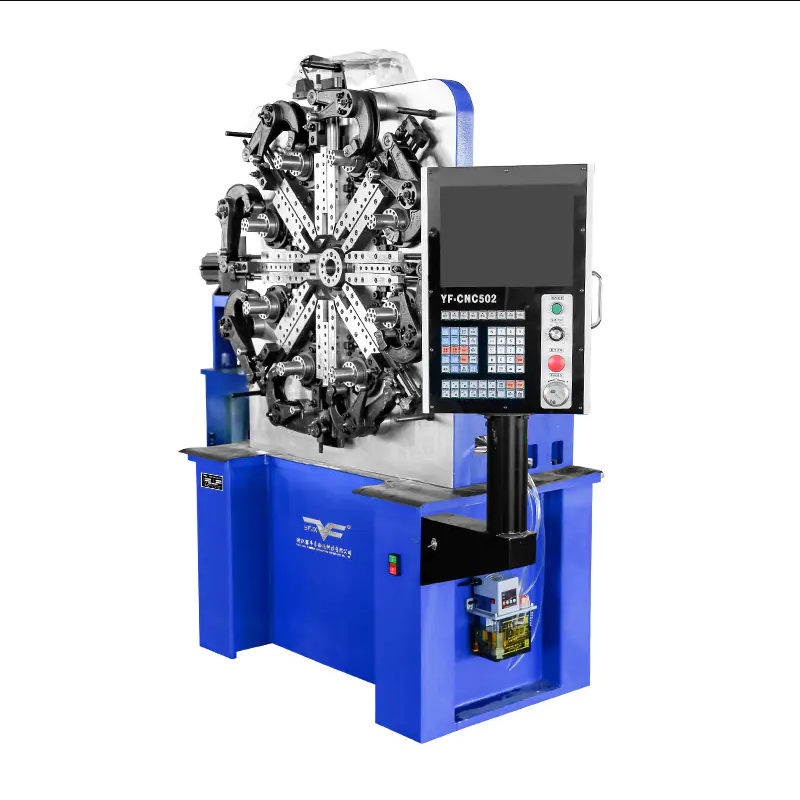
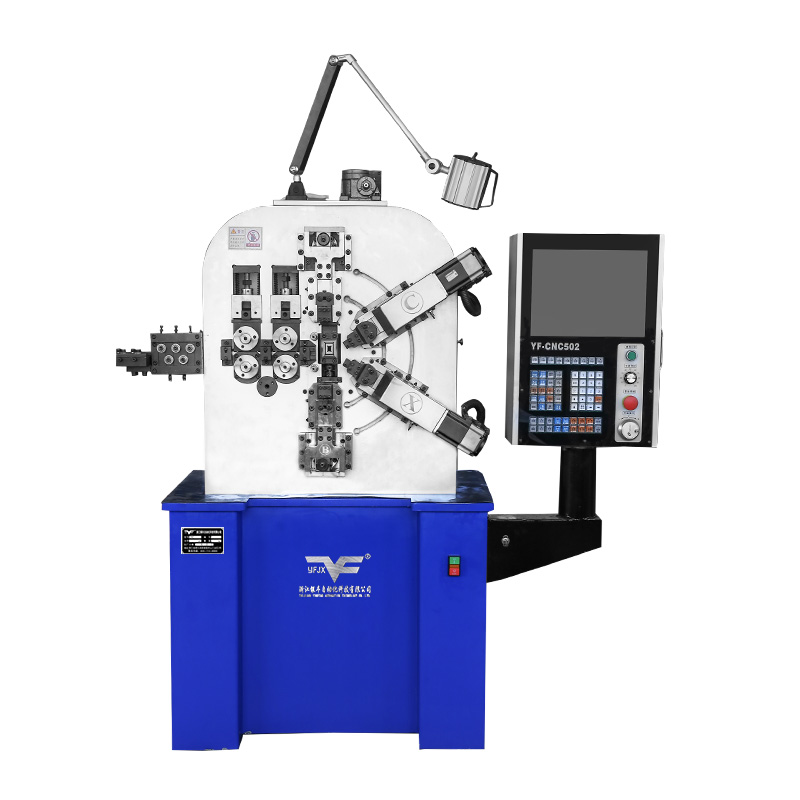
Industry News-A CNC Spring Coiling Machine is becoming an important option for spring manufacturers dealing with frequent product changes, complex wire forming requirements, and tighter production control. As overseas buyers look beyond basic machine speed, they are paying closer attention to setup flexibility, repeatable forming, tooling changes, and how easily one production system can adapt to different spring designs. Recent industry activity also shows growing interest in automated wire feeding, CNC control, and flexible spring-forming solutions.
Reducing Problems During Product Changeovers
Spring factories often handle several spring designs within the same production environment. Manual adjustments between jobs can create inconsistent setup conditions and increase operator workload.
CNC control allows forming parameters to be managed through a programmable system, making it easier to reproduce an established setup when the same spring returns to production.
For manufacturers supplying multiple customers, this flexibility can be useful when orders involve different spring diameters, lengths, coil configurations, or forming requirements.
Handling More Than Standard Compression Springs
Modern CNC spring equipment is not limited to straightforward coil production. Depending on machine configuration, the same production concept can support compression springs, extension springs, torsion springs, and other wire-formed components.
Industry suppliers are also developing equipment for fine-wire and more complex forming applications, showing how spring production is moving toward broader process flexibility.
When selecting equipment, buyers should therefore start with the actual spring drawings rather than choosing a machine only by its general category.
Matching Machine Configuration to Wire Processing
Wire material and forming requirements directly affect machine selection. Stainless steel, spring steel, carbon steel, and other wire materials may require different feeding, tooling, and forming conditions.
A suitable configuration should provide stable wire movement while allowing the forming tools to work consistently throughout the production cycle.
Manufacturers can evaluate these points before ordering:
- Wire material and working diameter range.
- Spring geometry and forming direction.
- Required tooling arrangement.
- Number of controlled forming axes.
- Production changeover requirements.
- Compatibility with existing downstream processes.
This approach helps prevent a machine from being selected based only on general specifications.
Improving Process Consistency Through CNC Control
For production teams, consistency is often more important than simply increasing machine output. CNC control can coordinate wire feeding and forming movements according to programmed parameters, reducing dependence on repeated manual adjustments.
Some current systems also incorporate automatic detection or stopping functions for abnormal conditions, helping operators respond to production issues more quickly.
The result is a production process that is easier to monitor and standardize across different batches.
Supporting Flexible Manufacturing
Spring manufacturers increasingly need equipment that can accommodate changing order structures. A machine designed only for one fixed spring type may become difficult to justify when product requirements change.
Multi-axis CNC spring forming systems provide more room for producing different geometries and wire-formed components from one production platform.
For manufacturers, this flexibility can support contract production, customized spring orders, and product development without creating a completely separate forming process for every design.
What Manufacturers Should Discuss Before Ordering
From a machine manufacturer's perspective, equipment selection should begin with application details. Drawings, wire specifications, spring geometry, expected production conditions, and tooling requirements provide a more useful basis for machine configuration than a generic equipment list.
A practical technical discussion should cover the spring samples or drawings, required forming operations, suitable feeding method, tooling structure, control requirements, and testing process before finalizing the machine configuration.
Building a More Adaptable Spring Production Line
As spring manufacturers manage more varied products and tighter production schedules, equipment flexibility is becoming an important part of production planning.
A properly configured Cnc Spring Coiling Machine can help manufacturers organize wire feeding, coiling, forming, and parameter control into a more consistent workflow, while giving engineering teams greater flexibility when developing or changing spring products.
Our Products //
Related Products

Copyright © Zhejiang Yinfeng Automation Technology Co., Ltd. All Rights Reserved. 
Sale Automatic Spring Making Machine