

 English
 русский
 Español
 简体中文
简体中文
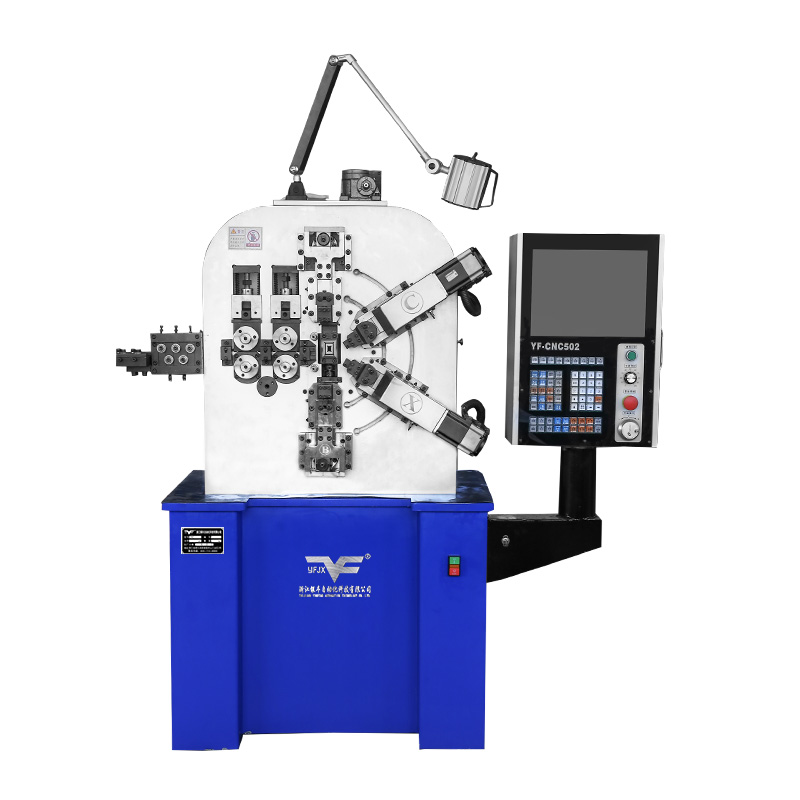
Camless Wire Bending Machine Boosts Flexibility, Slashes Changeover Times
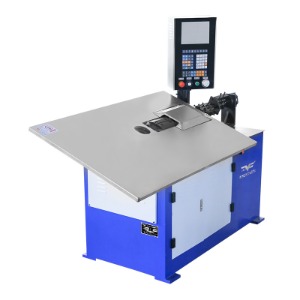
Industry News-Adaptability in manufacturing is increasingly critical, as markets favor greater product variety and faster response times. A key obstacle to this flexibility has been the prolonged downtime required to reconfigure production equipment for new parts. The Camless Wire Bending Machine directly targets this challenge, offering a dramatic reduction in changeover time. This capability fundamentally enhances production flexibility, allowing workshops to handle a diverse mix of orders efficiently and respond swiftly to changing customer needs.
Reconfiguring Production: From Hours to Minutes
In conventional wire bending, switching to a different part often involves a physical transformation of the machine. This can include changing mechanical cams, adjusting numerous stops, and replacing tooling—a process that requires skill, time, and often halts production completely for an extended period. The Camless Wire Bending Machine redefines this process. Since bending instructions are stored as digital programs and executed by servo motors, changing jobs primarily involves loading a new program file from the machine's computer interface. Physical adjustments are typically limited to standard, quick-change grippers or guide components. This shift from a mechanical overhaul to a digital switch-over is what compresses the changeover from hours into a matter of minutes.
The Building Blocks of Operational Flexibility
The flexibility enabled by rapid changeover manifests in several tangible ways for a manufacturing operation. It makes small batch production runs economically viable, as the cost and time penalty for setup is greatly reduced. This allows a business to accept a wider range of order sizes without sacrificing efficiency. The ability to queue and sequence multiple different part programs means a single machine can produce a customized set of components for a specific project or fulfill a series of small, diverse orders in one production window. This versatility turns the bending cell into a multi-purpose resource rather than a dedicated one.
Transforming Business Agility and Inventory Strategy
The implications for business operations are substantial. With shortened changeovers, advance times for custom or urgent orders can be decreased, improving customer service. This responsiveness can become a distinct competitive advantage. Furthermore, the economic feasibility of smaller batches supports a shift toward a more demand-driven production model. This can help reduce inventories of finished goods and work-in-progress, as parts can be made closer to the time they are needed. It also mitigates risk by reducing dependence on long runs of a single product, allowing a company to diversify its output and adapt more easily to market shifts.
A Practical View: Enhancing Daily Operations
On the shop floor, the difference is observed in the daily workflow. Production planners gain more options for scheduling, as inserting a priority job no longer requires a major disruption. Operators spend less time on manual adjustments and more time overseeing active production. The skill requirement evolves from deep mechanical knowledge to proficiency with software and process management, which can be developed through structured training. This creates a working environment that is more dynamic and responsive, where the machine's capacity is utilized for a broader range of value-adding activities.
Foundations for a Responsive Manufacturing Future
Implementing a Camless Wire Bending Machine is an investment in building a more responsive and resilient manufacturing capability. It addresses one of the fundamental constraints in batch production—setup time—and transforms it into a manageable variable. This technology supports a business model that is aligned with trends toward personalization and on-demand manufacturing. By boosting flexibility and slashing changeover times, it provides a practical foundation for workshops and factories to navigate a market that values variety, speed, and customization, ensuring they are equipped to meet future demands effectively.
Our Products //
Related Products

Copyright © Zhejiang Yinfeng Automation Technology Co., Ltd. All Rights Reserved. 
Sale Automatic Spring Making Machine