

 English
 русский
 Español
 简体中文
简体中文
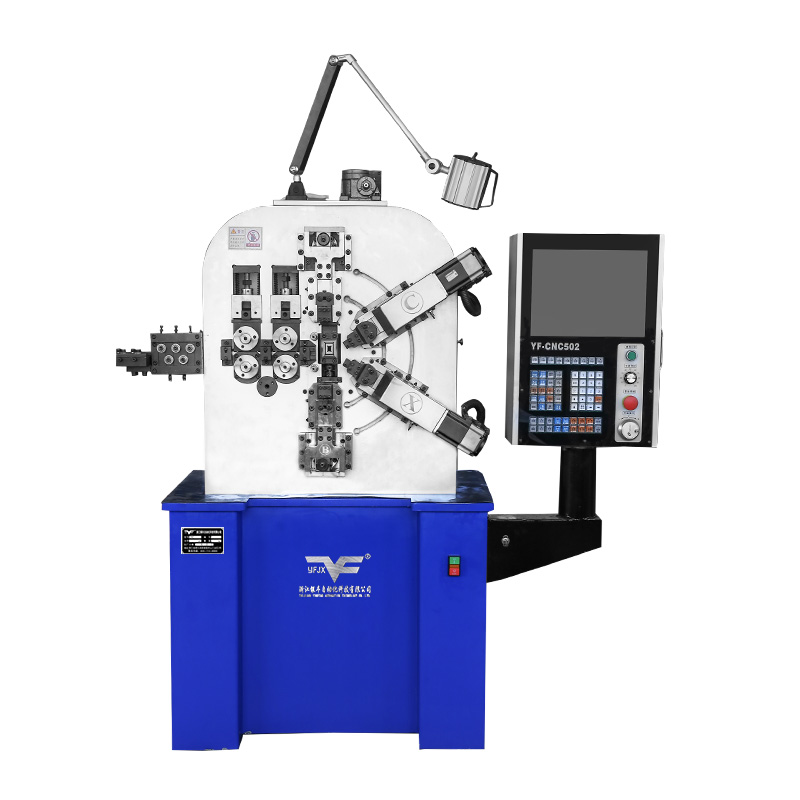
Camless Wire Bending Machine Expands Applications in CNC Wire Processing
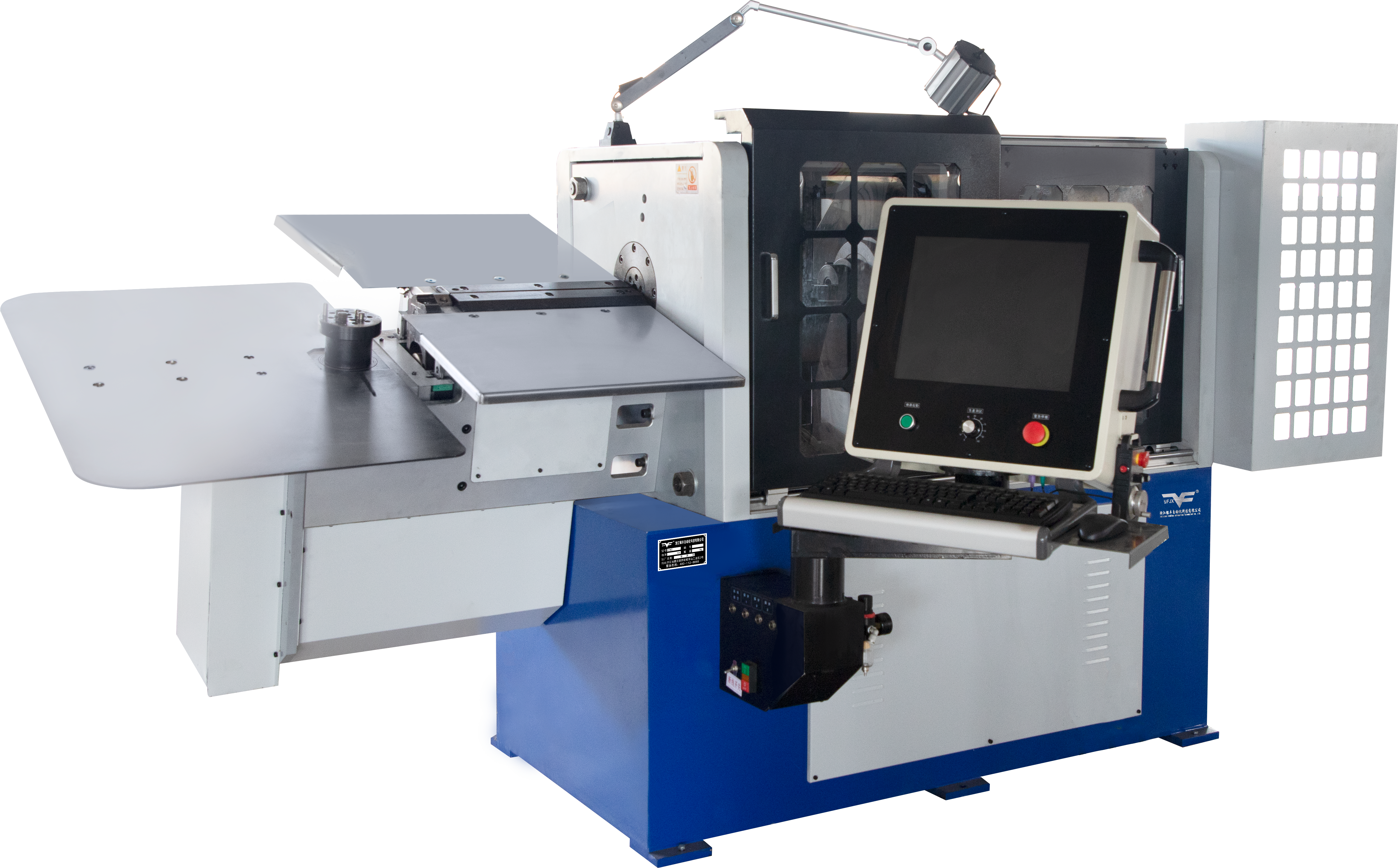
Industry News-The Camless Wire Bending Machine has become an important topic in CNC wire processing as manufacturers explore more adaptable and digitally controlled forming solutions. As production environments continue to evolve, wire processing systems are increasingly expected to handle varied designs, frequent product changes, and tighter process coordination. Within this context, camless technology is being discussed as a practical response to shifting manufacturing requirements rather than a simple equipment upgrade.
Changing Requirements in CNC Wire Processing
CNC wire processing has moved beyond standardized parts and repetitive shapes. Many production facilities now handle diversified orders that involve different wire forms, varying geometries, and customized structures. Traditional cam-driven equipment, while reliable for stable and repetitive tasks, often faces challenges when production diversity increases. Mechanical adjustments, tooling replacement, and setup complexity can affect production rhythm and scheduling flexibility.
These changing requirements have encouraged manufacturers to look for systems that rely more on programmable control rather than mechanical configuration. As a result, camless wire-bending solutions are increasingly associated with expanded application potential within CNC wire processing lines.
How Camless Technology Supports Application Expansion
A camless wire-bending machine operates through digitally controlled motion rather than fixed cam profiles. Each forming movement can be adjusted through software, allowing greater freedom in bending sequences and shape transitions. This approach supports the creation of varied wire forms without extensive mechanical intervention.
Because motion paths are defined digitally, camless systems can adapt to different production needs more smoothly. This capability allows CNC wire processing workshops to expand their application scope, moving from simple wire components to more complex assemblies within the same production environment.
Broader Application Areas in Modern Manufacturing
With improved control flexibility, camless wire-bending machines are being applied across a wide range of manufacturing sectors. Industrial hardware, functional wire frames, fastening components, and structural supports are among the applications that benefit from programmable bending sequences.
In addition, industries that emphasize customized components or frequent design adjustments can integrate camless machines into their CNC wire processing workflow without significantly altering the overall production layout. This adaptability supports manufacturers that serve multiple markets or manage diverse product portfolios.
Supporting Multi-Product Production Strategies
One notable aspect of camless systems is their suitability for multi-product production strategies. By reducing dependency on fixed mechanical tooling, production lines can shift between different wire forms with fewer interruptions. This capability aligns well with manufacturing environments where order structures vary, and production planning requires ongoing adjustment.
For CNC wire processing facilities, this means improved alignment between equipment capability and market demand. Instead of dedicating separate machines to specific wire forms, manufacturers can utilize camless systems to manage varied production tasks within a unified setup.
Influence on Operational Efficiency
Although application expansion is the primary focus, operational efficiency is also influenced by camless technology. Simplified adjustments and software-based control contribute to smoother workflow transitions. Operators can focus more on process optimization rather than mechanical reconfiguration.
Over time, this operational consistency supports better resource utilization within CNC wire processing facilities. Equipment downtime related to mechanical changes can be reduced, allowing production teams to maintain stable output while handling diversified applications.
Long-Term Industry Perspective
As CNC wire processing continues to adapt to changing market expectations, camless wire-bending machines are positioned as a flexible solution that supports application expansion. Their role is not limited to replacing traditional equipment but extends to enabling broader manufacturing capabilities.
Looking ahead, camless technology is likely to remain closely linked with automation development and digital manufacturing strategies. Its contribution to expanding CNC wire processing applications reflects a wider shift toward adaptable and software-driven production systems.
Our Products //
Related Products

Copyright © Zhejiang Yinfeng Automation Technology Co., Ltd. All Rights Reserved. 
Sale Automatic Spring Making Machine