

 English
 русский
 Español
 简体中文
简体中文
3D 2D CNC Wire Bending Machine Features And Applications
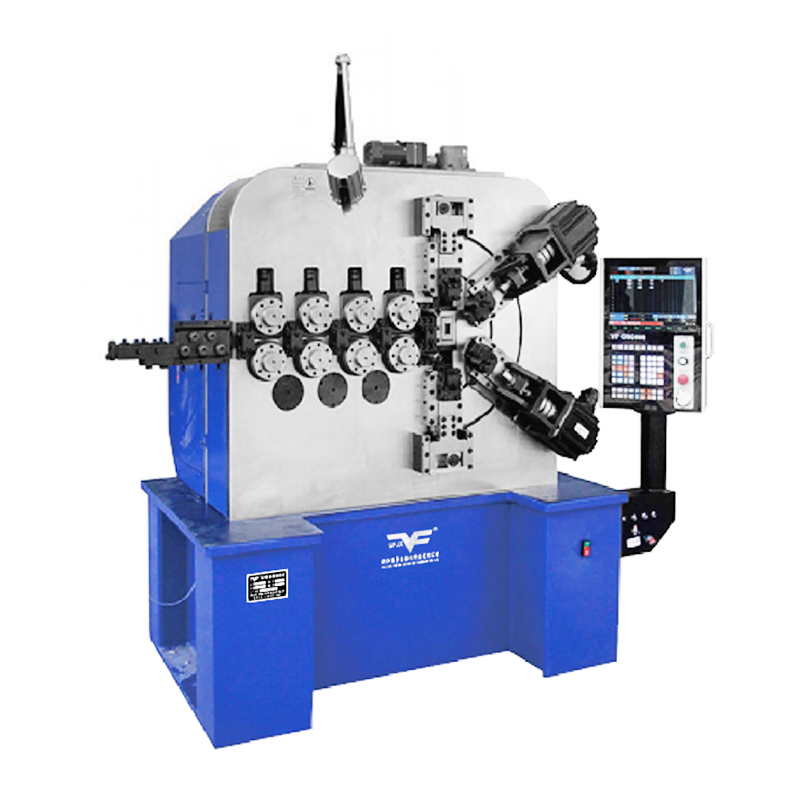
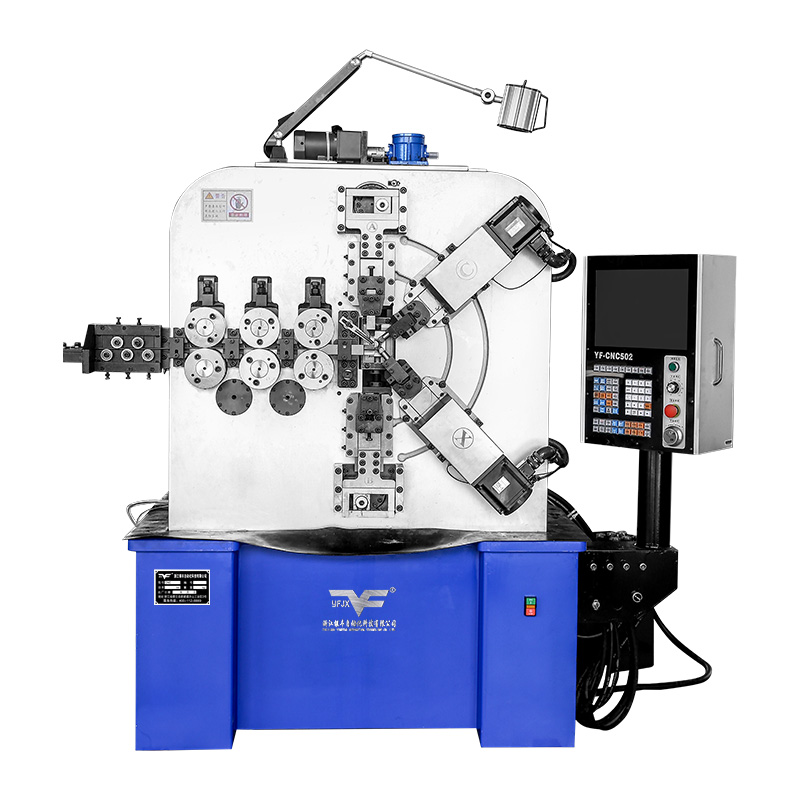
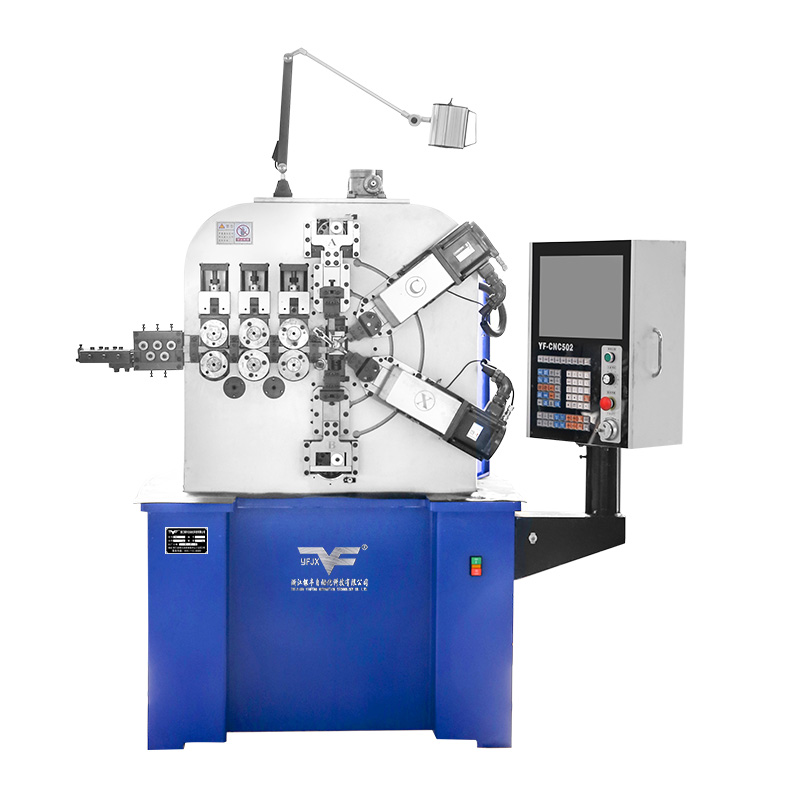
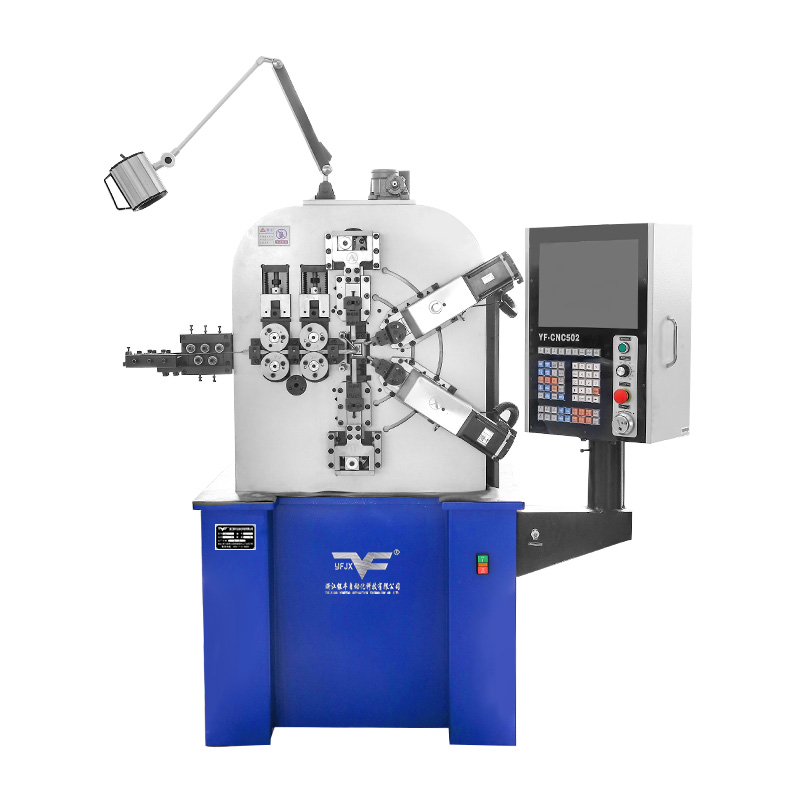
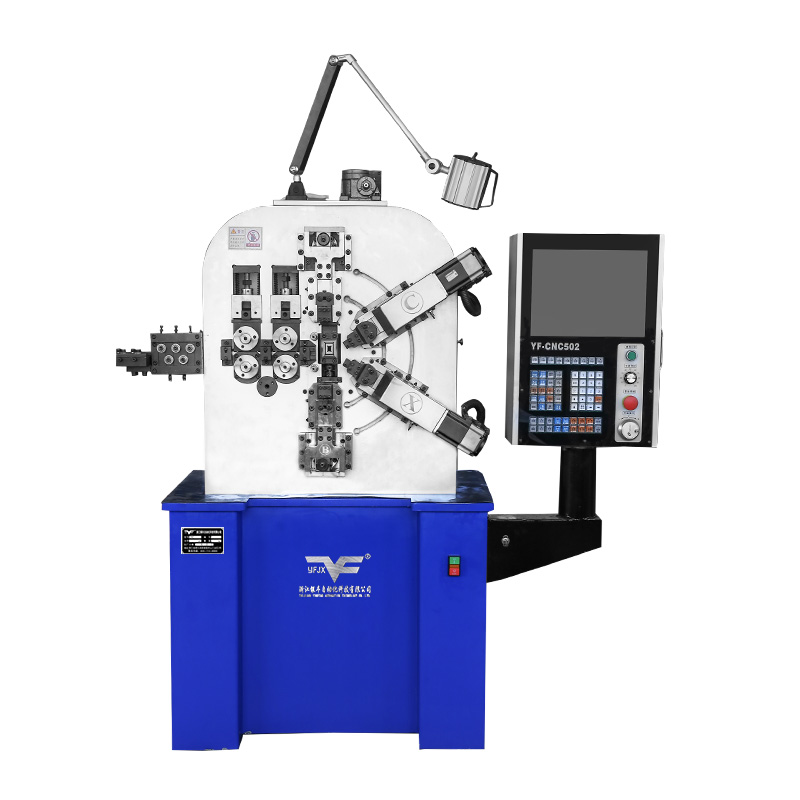
Industry News-The 3D 2D CNC Wire Bending Machine provides versatile capabilities for producing wire components across a wide range of industries. These machines adapt to diverse wire materials and specifications, supporting the fabrication of parts with varying thicknesses and structural requirements. In addition to bending operations, the Spiral Spring Making Machine plays a key role in spring production, delivering reliable coiling for mechanical and industrial applications. This specialized equipment caters to the unique needs of spring manufacturing, ensuring each piece meets consistent performance standards. Understanding the features and applications of these machines can help manufacturers refine production lines, align processes with operational goals, and better respond to market demands.
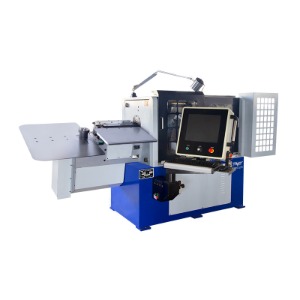
Core Features of CNC Wire Bending Machines
These machines are equipped with CNC control systems that allow precise, repeatable bending of wire components. The intuitive control interface simplifies programming, enabling operators to input and adjust parameters to achieve desired shapes with consistent results. Multi-axis operation enables complex curves and angles in three-dimensional space, while automatic feeding and cutting systems reduce manual intervention, lowering the potential for human error and streamlining workflow. Spiral Spring Making Machine complements these features by offering automated spring coiling, adjustable tension, and consistent dimensional accuracy, which are essential for applications where performance is critical. These spring machines also integrate easy-to-use adjustment mechanisms, allowing for quick switches between different spring designs without extensive reconfiguration.
Applications Across Industries
Wire-bending machines are commonly used in automotive, furniture, electronics, and industrial components sectors. In the automotive field, they contribute to the production of frame parts, fasteners, and interior structural components. Furniture manufacturing relies on them for creating decorative wire elements, seat frames, and storage rack structures. 2D machines handle flat or simple shapes, such as straight bends and basic loops, while 3D machines create more intricate, spatial designs that add functionality and aesthetic value to end products. Spiral Spring Making Machines are particularly important in automotive and machinery applications, producing compression, tension, and torsion springs that are incorporated into assemblies requiring resilience and reliability. These springs are integral to door mechanisms, suspension systems, and various mechanical linkages that keep equipment running smoothly.
Advantages for Production
Using CNC-controlled wire-bending machines reduces setup times and enhances product uniformity, as automated processes maintain consistent standards across each batch of components. When paired with Spiral Spring Making Machines, facilities can produce wire components and springs in parallel, optimizing workflow and reducing production cycles. This integrated approach also improves flexibility, allowing manufacturers to handle custom orders or varied batch sizes efficiently without disrupting overall operations. Additionally, the automated nature of these machines frees up labor resources to focus on other value-adding tasks, such as quality inspection and process oversight, further enhancing overall operational effectiveness.
The combination of 3D and 2D CNC Wire Bending Machines and Spiral Spring Making Machines expands the possibilities for wire component and spring production. Their features and applications cover multiple industries, from automotive parts to industrial equipment, offering precision, automation, and efficiency that are critical for modern manufacturing operations. By leveraging these machines, manufacturers can enhance their ability to meet diverse customer needs, maintain consistent product quality, and streamline production processes to stay competitive in dynamic market environments.
Our Products //
Related Products

Copyright © Zhejiang Yinfeng Automation Technology Co., Ltd. All Rights Reserved. 
Sale Automatic Spring Making Machine