

 English
 русский
 Español
 简体中文

How Automation Is Changing Daily Operations in Spring Manufacturing
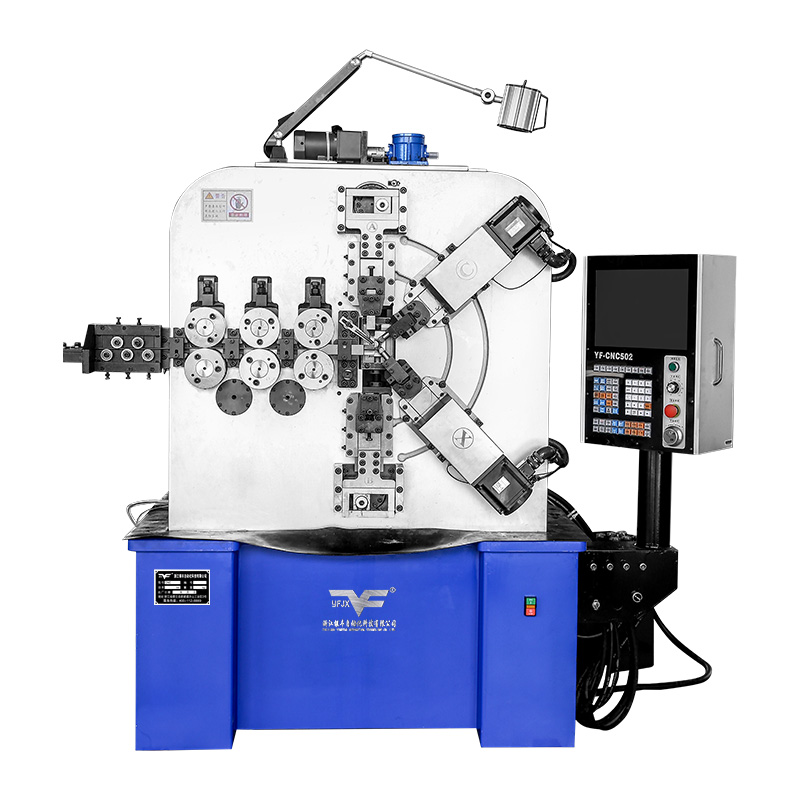
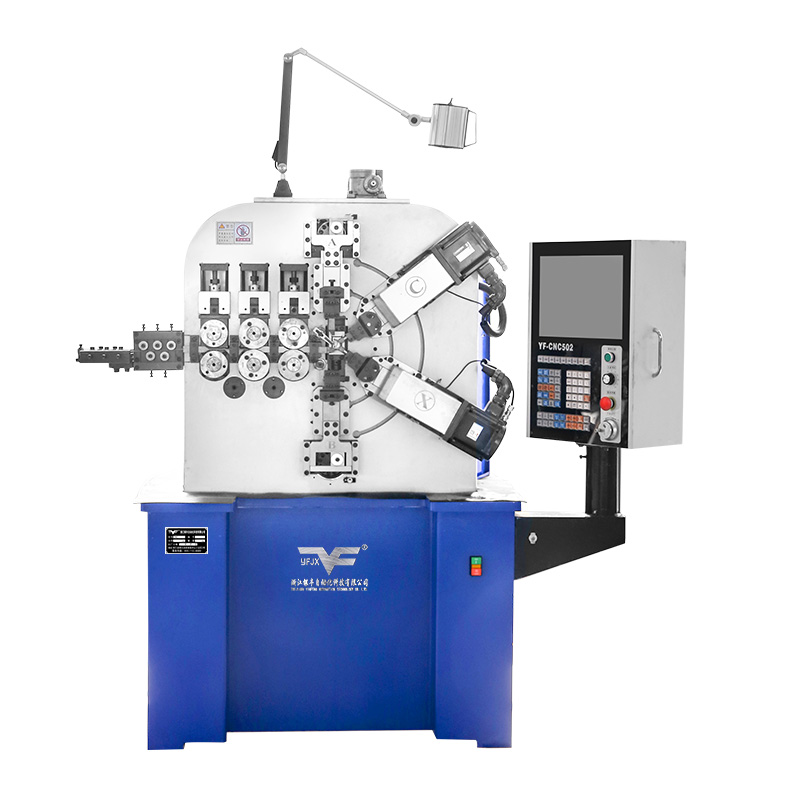
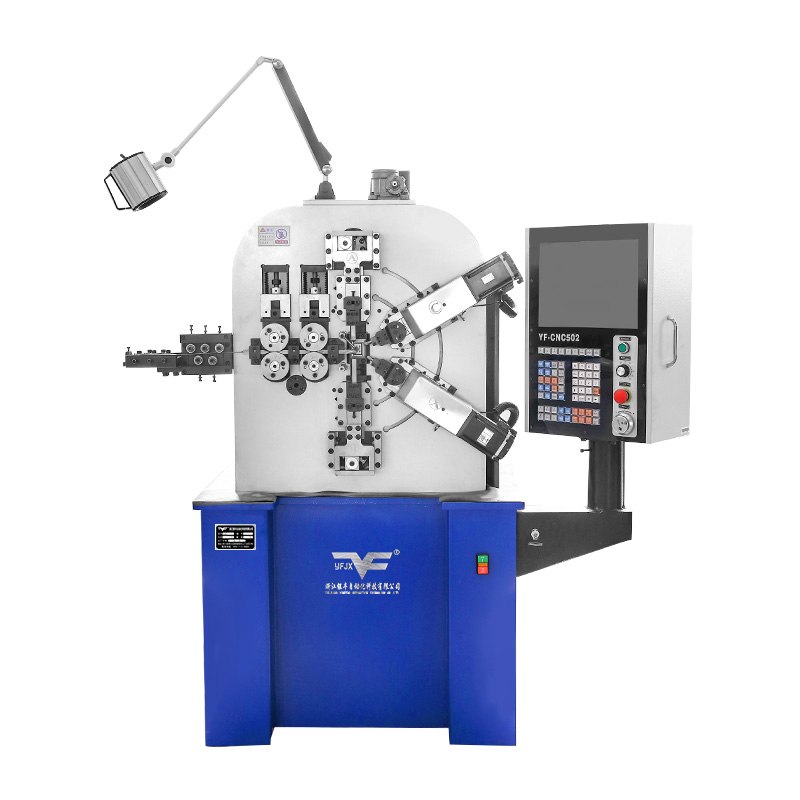
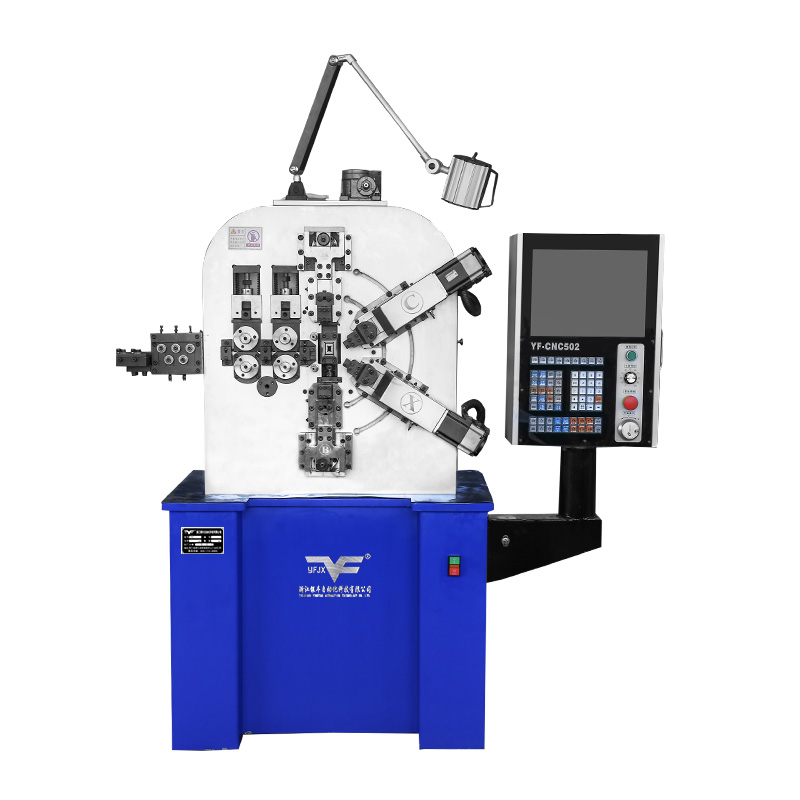
Industry News-Spring manufacturers are facing increasing pressure to manage production costs while meeting different customer requirements. Manual operations can become difficult to coordinate when factories handle multiple spring designs, frequent order changes, and tight delivery schedules. Automation offers a practical way to improve production organization and reduce repetitive work. A suitable Spiral Spring Making Machine can help manufacturers simplify forming operations, improve process consistency, and make better use of their production workforce.

Reducing Repetitive Manual Operations
Traditional spring production may involve repeated manual adjustments, wire positioning, and dimensional checks. These tasks require operator experience and can take considerable time when switching between different products.
Modern CNC spring forming equipment uses programmable controls to coordinate forming movements. Operators can enter production parameters, select stored programs, and monitor machine operation. This reduces the need to repeat certain manual settings and allows employees to focus more on production supervision and quality inspection.
Improving Production Planning with Programmable Systems
When a factory receives orders for several spring models, organizing production becomes an important management task. Different products may require different wire diameters, coil dimensions, and forming sequences.
Programmable systems help manufacturers keep production settings organized. Existing programs can be retrieved for repeat orders, while new designs can be configured according to technical drawings and sample requirements.
This approach is particularly useful for factories supplying customized springs to different industrial customers.
Connecting Automatic Feeding with Forming Operations
Automation is not limited to the forming process itself. Wire pay-off and feeding equipment also influence production stability. If wire feeding is inconsistent, the forming machine may struggle to maintain the required dimensions.
When selecting equipment, buyers should consider whether automatic feeding and straightening systems are suitable for their materials and production requirements. A coordinated setup can reduce unnecessary manual handling and support a smoother workflow from raw wire to finished springs.
Maintaining Quality as Production Speeds Increase
Automation can improve process repeatability, but it does not eliminate the need for quality control. Incorrect parameters, worn tooling, and unsuitable wire materials can still affect finished products.
Manufacturers should establish inspection procedures covering:
- Spring diameter and free length.
- Coil pitch and overall geometry.
- Wire surface condition.
- Cutting quality and end formation.
- Mechanical performance according to customer specifications.
Checking samples at the beginning of production and carrying out inspections during operation helps identify deviations before they become larger problems.
Training Operators for Automated Equipment
Introducing automated machinery also changes the skills required on the production floor. Operators need to understand program selection, parameter adjustment, tooling installation, and basic troubleshooting.
Manufacturers should provide clear operating instructions and practical training before equipment enters regular production. Employees who understand the control system can respond more effectively to machine alarms, product changes, and routine maintenance requirements.
Calculating the Value of Automation
The cost of automation should be evaluated alongside its actual contribution to factory operations. Buyers need to consider equipment investment, labor allocation, maintenance expenses, tooling costs, and expected production volume.
For factories with frequent repeat orders or multiple spring specifications, programmable equipment may help reduce setup work and improve production scheduling. The actual benefits depend on product complexity, operator experience, and how well the machine fits the existing workflow.
Preparing for Future Production Requirements
Automation decisions should reflect both current orders and future business plans. Before purchasing a machine, manufacturers should review supported wire diameters, spring types, forming capabilities, control functions, and compatibility with auxiliary equipment.
As a machinery manufacturer, we believe equipment selection should begin with real production requirements. A properly configured Spiral Spring Making Machine can help factories organize automated forming operations, reduce repetitive manual work, and respond more effectively to changing customer demands.
Our Products //
Related Products

Copyright © Zhejiang Yinfeng Automation Technology Co., Ltd. All Rights Reserved. 
Sale Automatic Spring Making Machine