

 English
 русский
 Español
 简体中文

How to Reduce Wire Waste in Spring Production with Better Machine Control
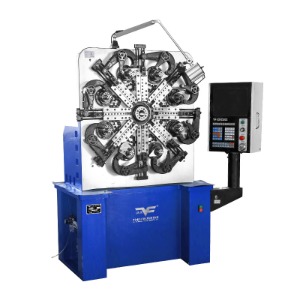
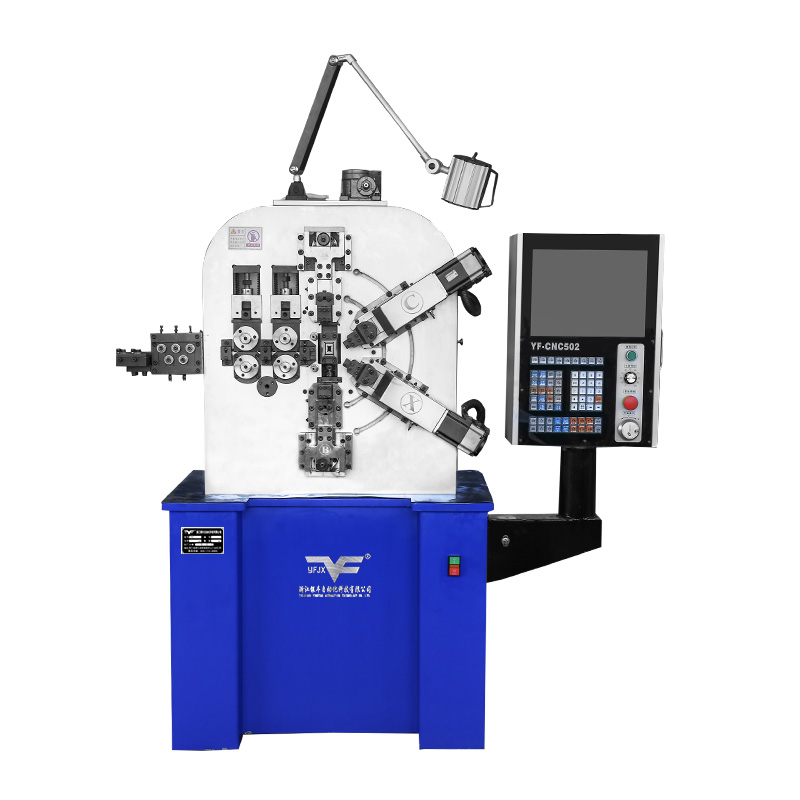
Industry News-Wire consumption is an important factor in spring manufacturing costs. During daily production, material waste can occur because of incorrect machine settings, unstable wire feeding, frequent adjustments, or defective finished products. These issues become more noticeable when factories handle multiple spring specifications and small production batches. Choosing a suitable Spiral Spring Making Machine and improving production control can help manufacturers manage wire usage, reduce unnecessary rework, and maintain consistent product dimensions.
Understanding Where Wire Waste Comes From
Not all material waste comes from cutting operations. Some losses happen during machine setup, while others result from incorrect forming parameters or inconsistent feeding conditions.
Common causes include:
- Excessive test runs when changing spring specifications.
- Incorrect wire length or cutting settings.
- Unstable feeding that affects coil dimensions.
- Tool wear that changes the forming position.
- Defective springs that cannot meet customer drawings.
Identifying these problems helps production managers decide which adjustments will have a practical impact on material utilization.
Keeping Wire Feeding Stable During Forming
Wire feeding directly affects the shape and dimensions of finished springs. If the wire moves unevenly, the machine may produce inconsistent coil diameters or irregular spacing. This can additional inspections and rejected parts.
Manufacturers should pay attention to the feeding rollers, straightening mechanism, wire alignment, and material condition. Regular checks can help identify feeding problems before they influence an entire production batch. The wire should also be suitable for the machine's specified diameter and material range.
Using CNC Parameters to Reduce Repeated Adjustments
A CNC spring forming machine allows operators to manage production settings through programmable controls. Once a spring design has been tested and approved, its processing parameters can be saved for future orders.
This is particularly useful when factories manufacture several spring models for different customers. Instead of adjusting every setting from the beginning, operators can retrieve existing programs and make necessary modifications.
However, saved programs should be checked against the actual wire material and tooling condition. Changes in production materials may require parameter adjustments before regular manufacturing starts.
Checking the First Samples Before Mass Production
Starting a full production run without verifying the initial samples can increase material losses. A small dimensional deviation may affect hundreds of springs if it remains unnoticed.
Before approving a batch, manufacturers should inspect key dimensions, including:
- Outer diameter and inner diameter.
- Spring length and coil pitch.
- Number of coils and overall shape.
- Cutting position and end condition.
- Mechanical properties required by the application.
Keeping inspection records also helps operators compare different production batches and identify recurring problems.
Maintaining Tooling to Avoid Unnecessary Rework
Forming tools and cutting components are exposed to continuous mechanical contact. Over time, wear can affect forming accuracy and the appearance of finished springs.
A practical maintenance routine should include checking tool surfaces, cleaning feeding components, inspecting cutting edges, and following the recommended lubrication schedule. Replacing worn components at an appropriate time can help prevent dimensional problems and unexpected production interruptions.
Planning Material Usage for Different Spring Orders
Material planning is another part of waste control. Before production, factories should estimate wire requirements according to spring dimensions, order quantities, and expected setup losses. For customized orders, organizing products with similar wire specifications may also help reduce unnecessary machine changes.
Production managers can review previous consumption records to improve future purchasing and scheduling decisions. This makes it easier to coordinate raw material inventory with actual customer demand.
Choosing Equipment That Supports Efficient Production
Reducing wire waste requires coordination between equipment capability, operator experience, and quality inspection. Buyers should evaluate feeding stability, programmable control, supported wire specifications, tooling arrangements, and maintenance requirements when comparing machines.
As a manufacturer, we understand that material utilization affects both production costs and delivery planning. A properly configured Spiral Spring Making Machine can help factories improve forming consistency, control unnecessary wire consumption, and establish a more organized spring manufacturing process.
Our Products //
Related Products

Copyright © Zhejiang Yinfeng Automation Technology Co., Ltd. All Rights Reserved. 
Sale Automatic Spring Making Machine