

 English
 русский
 Español
 简体中文

How to Handle Custom Spring Orders with a CNC Spiral Spring Making Machine
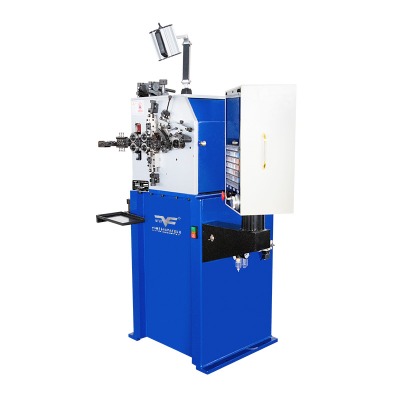
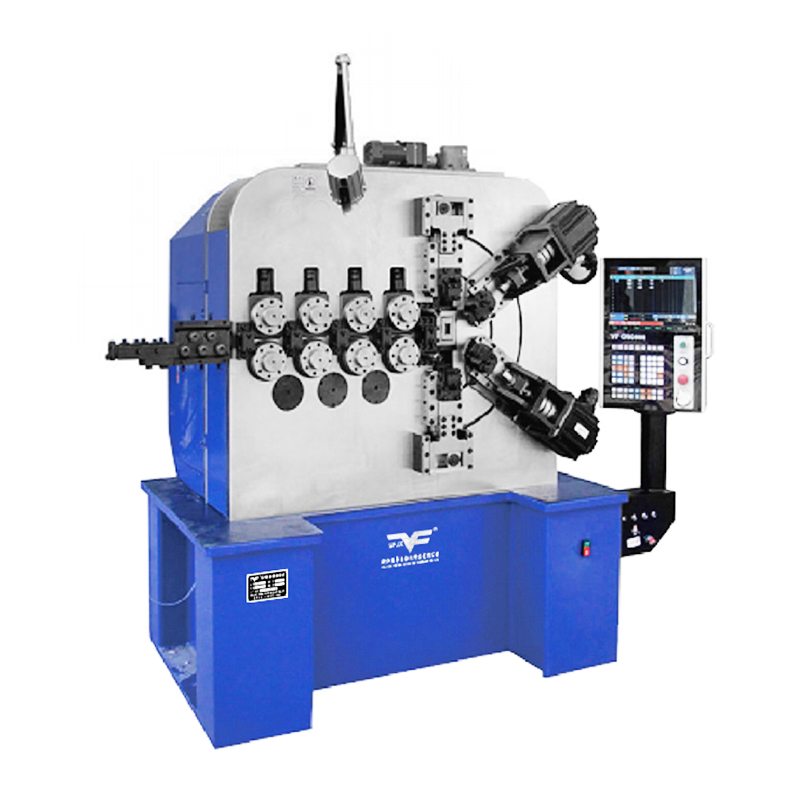
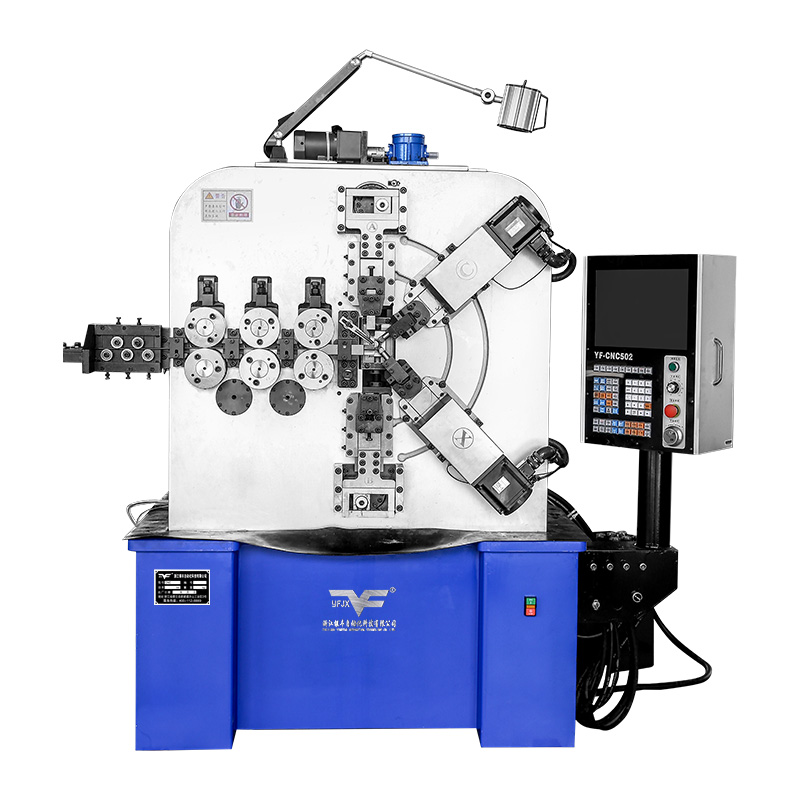
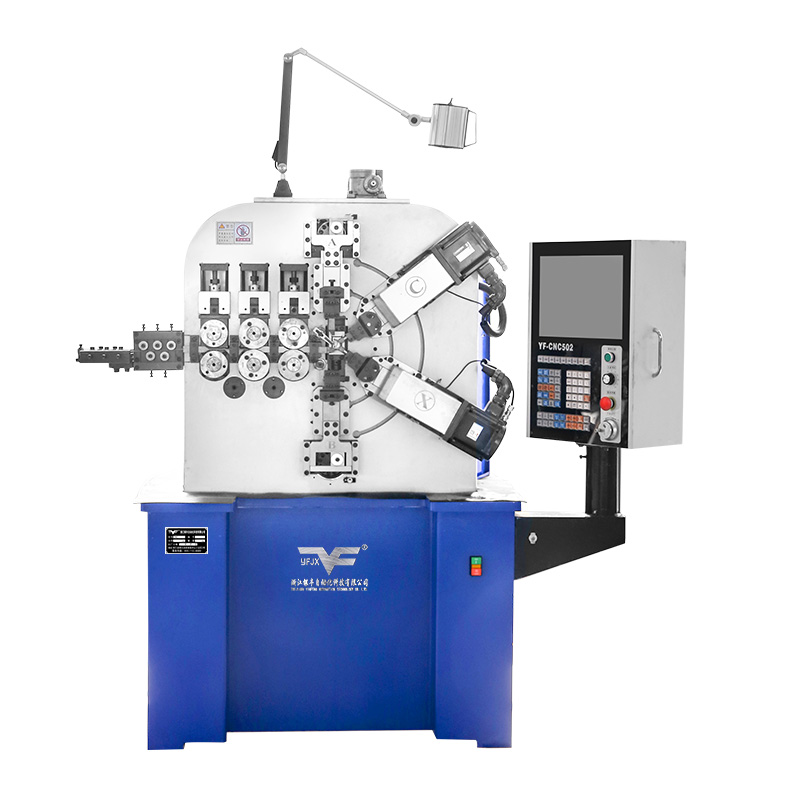
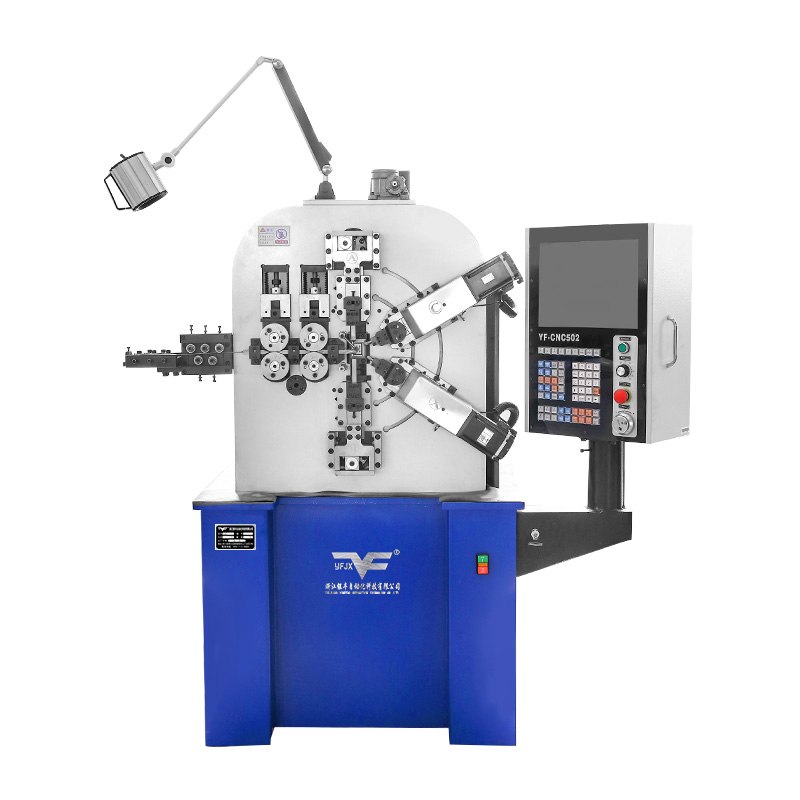
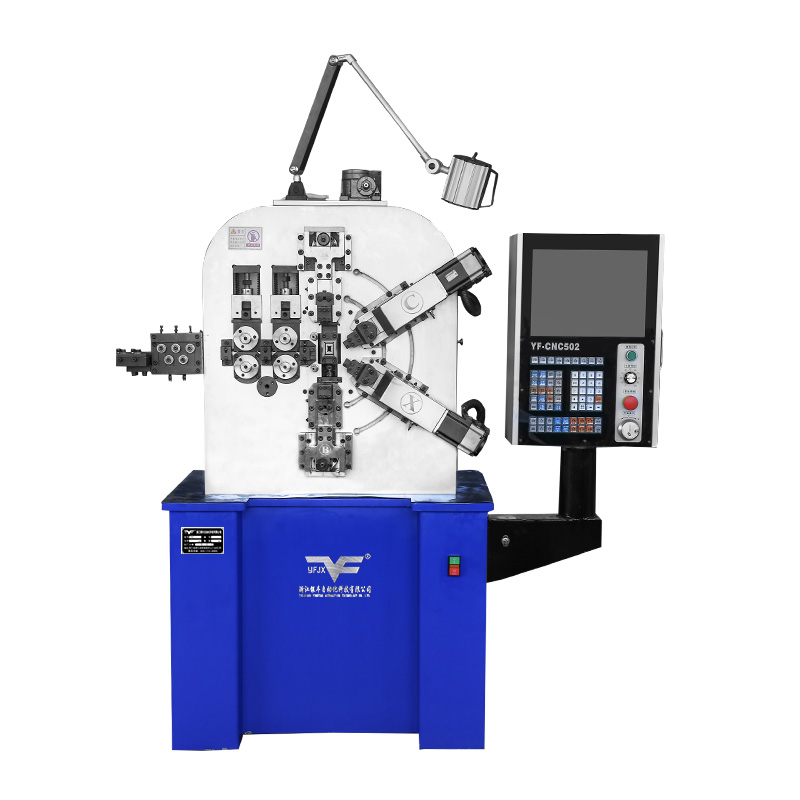
Industry News-Custom spring orders are becoming an important part of manufacturing across automotive components, electrical products, industrial equipment, and consumer devices. Unlike mass production, these orders often involve different dimensions, materials, and forming requirements. For spring manufacturers, handling frequent specification changes without disrupting the production schedule can be challenging. A Spiral Spring Making Machine with programmable control offers a practical solution by helping factories manage different spring designs with more consistent processing and flexible production arrangements.
Why Custom Spring Orders Require Flexible Equipment
Small-batch production often involves several spring designs running through the same workshop. Operators may need to change wire diameters, coil dimensions, forming angles, or spring lengths between orders. Traditional manual adjustments can take additional time and may produce inconsistent results when settings are not properly recorded.
A CNC spring forming machine allows manufacturers to store processing programs for different products. When a repeat order arrives, operators can retrieve the relevant settings and prepare the machine for production. This approach is useful for factories supplying distributors, component manufacturers, and customers with customized specifications.
Matching Machine Specifications with Spring Requirements
Not every spring making machine is suitable for every product. Before selecting equipment, buyers should consider the relationship between wire characteristics and the required spring structure.
Important factors include:
- Wire diameter and material type.
- Required coil diameter and spring length.
- Spring shape and forming complexity.
- Production quantity and changeover frequency.
- Cutting and feeding system requirements.
Providing sample drawings or product specifications to the machine manufacturer helps determine whether the equipment can handle the intended applications.
Maintaining Consistency Across Different Production Batches
One challenge with customized manufacturing is keeping product dimensions consistent when orders are produced at different times. Changes in tooling condition, wire feeding, and machine settings can influence the final result.
Manufacturers can improve process control by saving approved production parameters, checking the finished samples, and carrying out regular inspections during production. Measuring coil diameter, free length, pitch, and other application-specific dimensions helps identify deviations before they affect the entire batch.
Making Production Changes Easier for Operators
Frequent adjustments can increase the workload of machine operators, especially when several orders have different technical requirements. A programmable control system makes it easier to organize production parameters and switch between stored product specifications.
However, automation does not remove the need for skilled operators. Employees still need to understand tooling installation, wire positioning, program selection, and machine calibration. Proper training helps reduce setup mistakes and keeps production procedures consistent across different shifts.
Considering Material and Tooling Compatibility
Spring materials have different forming characteristics. Stainless steel wire, carbon steel wire, and other materials may require different processing conditions and tooling arrangements. Using unsuitable forming components can cause surface marks, dimensional deviations, or unnecessary tool wear.
Before production begins, factories should confirm material compatibility, tooling requirements, and machine operating limits. This is particularly important for manufacturers producing springs for applications where dimensional accuracy and reliable mechanical performance are essential.
Evaluating Long-Term Production Costs
Machine purchasing decisions should consider more than the initial equipment price. Setup time, tooling replacement, maintenance requirements, operator training, and production interruptions all influence manufacturing costs.
A suitable CNC spring making machine can help factories organize customized orders, reduce repeated manual adjustments, and improve production planning. Buyers should also check the availability of technical support, spare parts, and operating guidance before confirming an order.
Selecting a Machine for Your Product Range
The right equipment depends on the types of springs a factory produces and the changes it expects to handle. Reviewing actual product drawings, wire specifications, and production targets provides a clearer basis for equipment selection.
As a manufacturer, we recommend evaluating machine capabilities against real production requirements rather than relying on general specifications alone. A properly configured Spiral Spring Making Machine can help spring producers handle customized orders, maintain consistent forming processes, and build a more flexible manufacturing workflow.
Our Products //
Related Products

Copyright © Zhejiang Yinfeng Automation Technology Co., Ltd. All Rights Reserved. 
Sale Automatic Spring Making Machine