

 English
 русский
 Español
 简体中文

How to Improve Spring Consistency and Production Efficiency with a Spiral Spring Making Machine
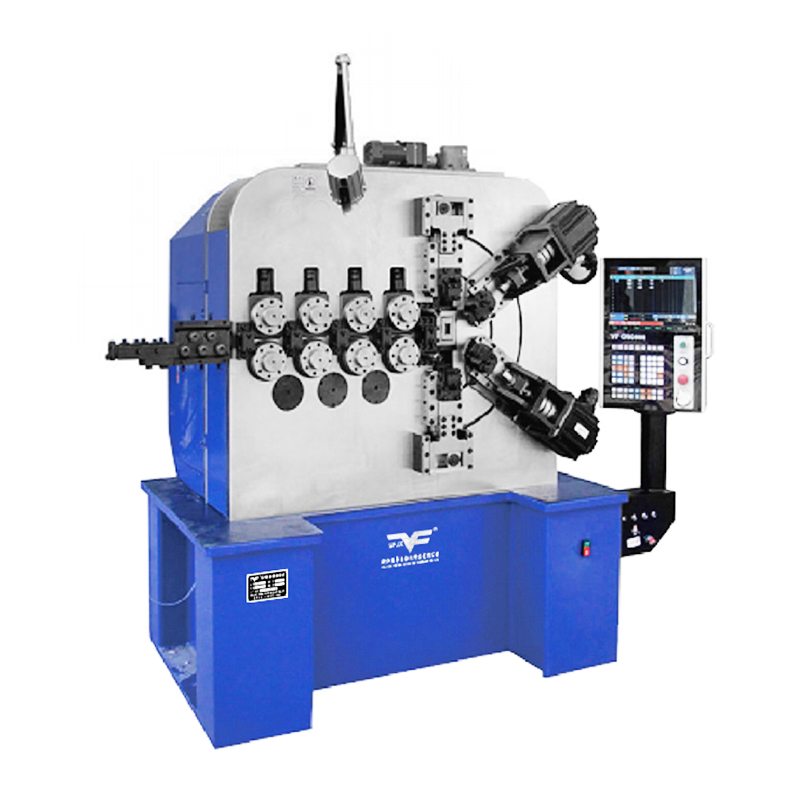
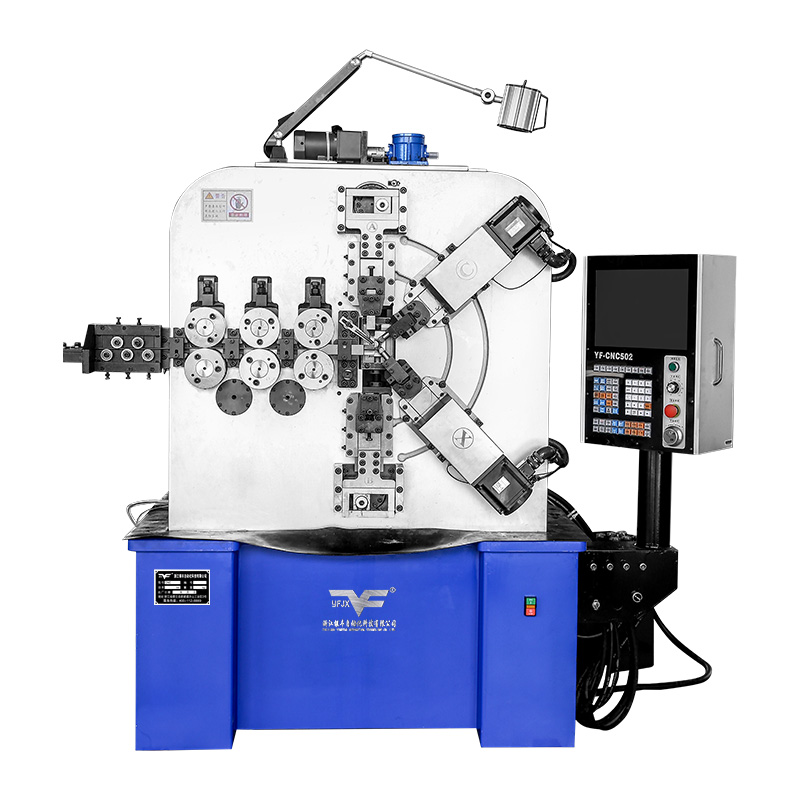
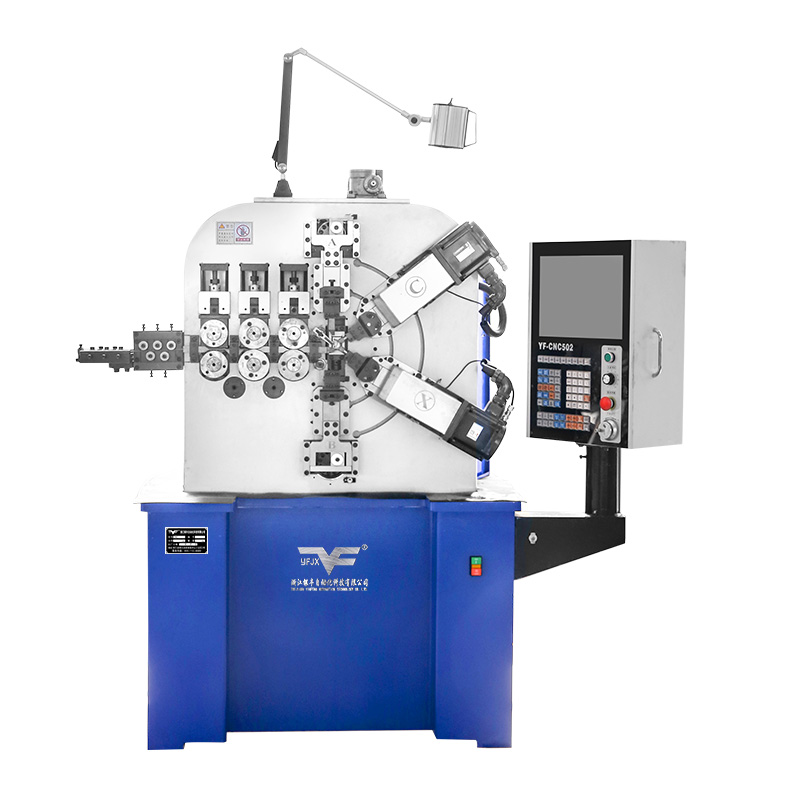
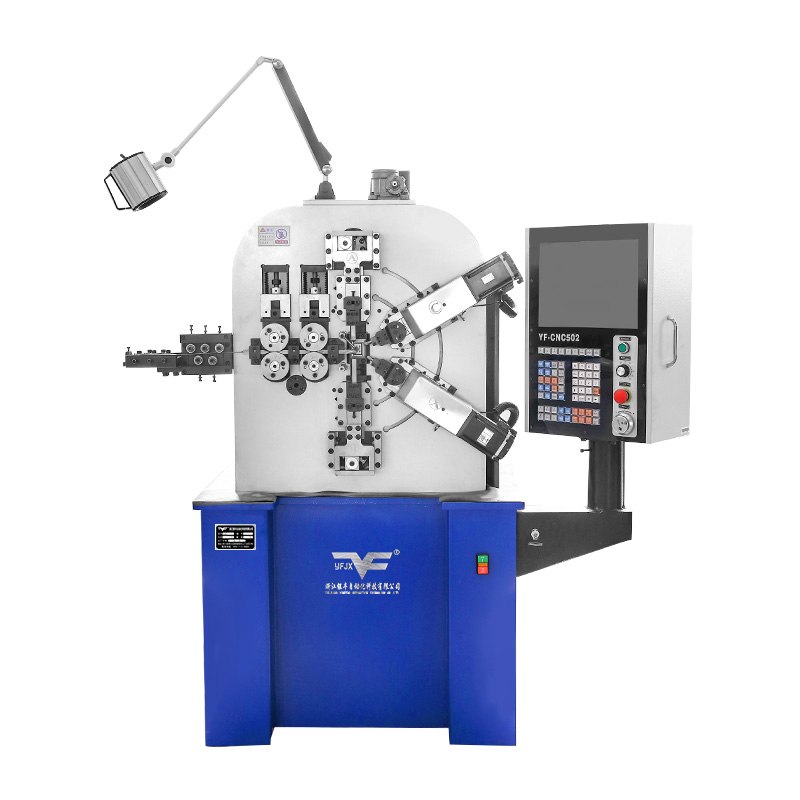
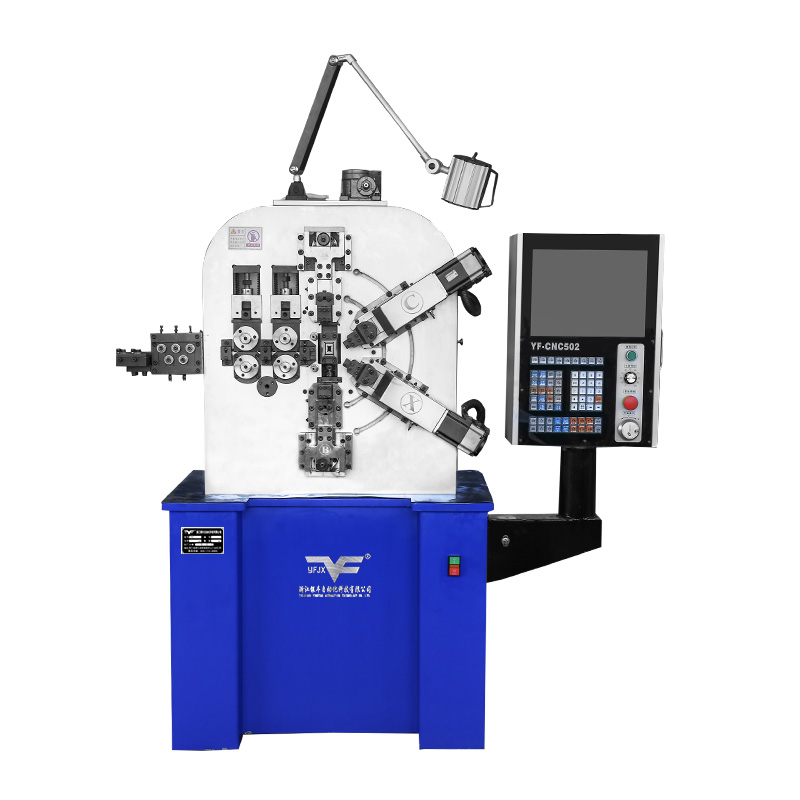
Industry News-As demand for precision spring components continues across automotive systems, electrical equipment, industrial controls, and consumer products, manufacturers are paying closer attention to production consistency and machine flexibility. Producing spiral springs involves more than simply forming metal wire into a required shape. Spring geometry, material behavior, forming accuracy, and process stability all affect the finished component. Choosing a suitable Spiral Spring Making Machine can help manufacturers address these challenges while maintaining reliable production quality and responding to different customer specifications.
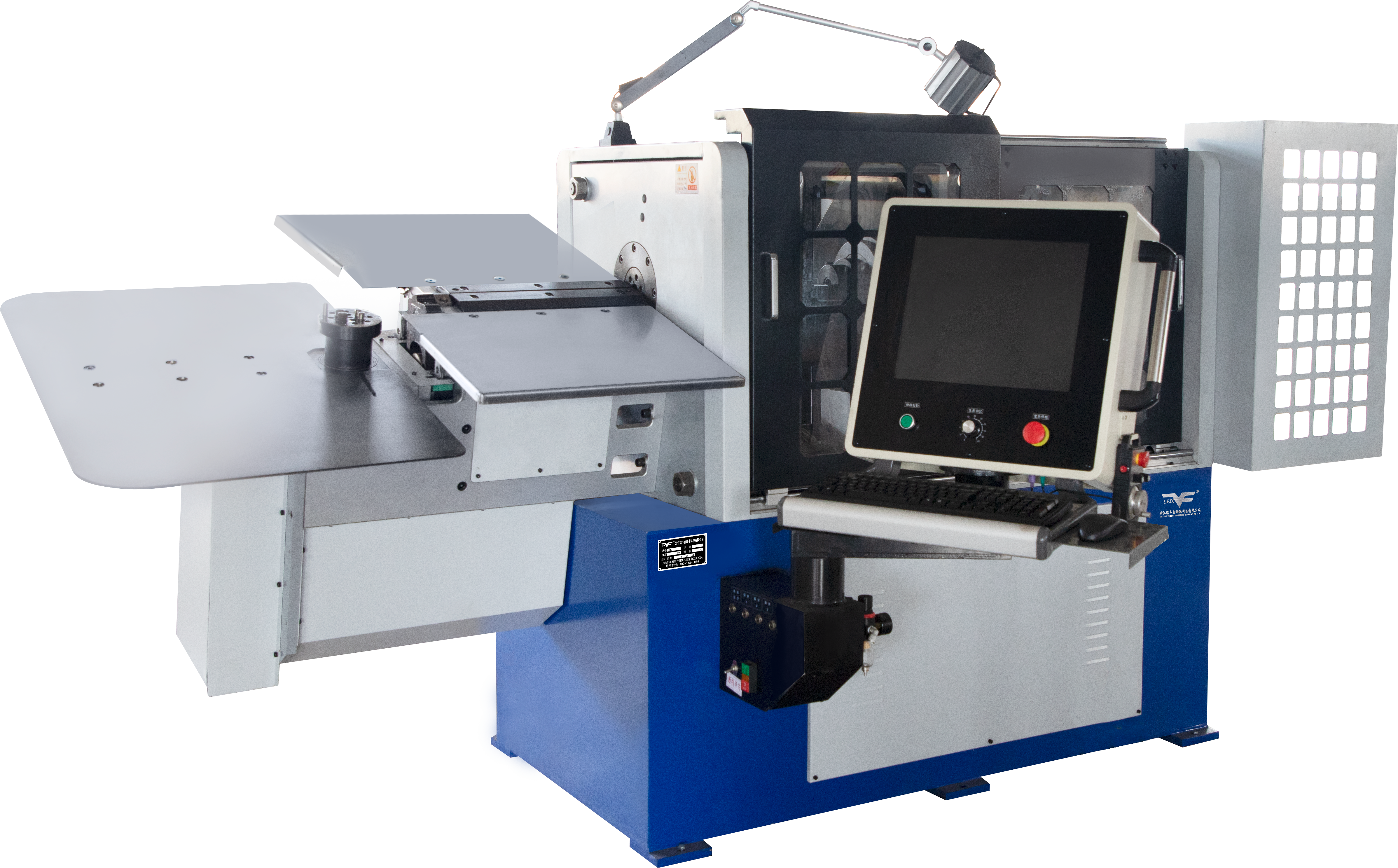
Why Spring Forming Accuracy Matters in Modern Manufacturing
Spiral springs are used in applications where controlled winding, consistent tension, and predictable mechanical performance are important. Even small variations in coil spacing, diameter, or forming angle can affect how a spring performs during operation.
For manufacturers supplying different industries, these variations may product rejection, additional inspection, or unnecessary material waste. A suitable spring forming machine helps control the production process and reduces dependence on repeated manual adjustments.
As product designs become more application-specific, manufacturers also need equipment that can accommodate different spring dimensions and forming requirements without making every production change complicated.
How Automation Is Changing Spring Production
Automation is becoming an important consideration for spring manufacturers looking to manage labor requirements and production consistency. Recent developments in the spring industry show growing interest in connected equipment, automated material handling, and integrated production processes.
For spiral spring production, automation can support several important operations:
- Wire feeding: Stable wire feeding helps maintain consistent material movement during forming.
- Forming control: CNC control allows operators to adjust forming movements according to different spring designs.
- Production monitoring: Monitoring operating conditions helps identify process deviations before they affect larger production batches.
- Part collection: Automated collection reduces unnecessary manual handling and supports a smoother workflow.
These functions are particularly useful for factories handling multiple product specifications or recurring production orders.
Choosing the Right Machine for Different Spring Designs
Not every spiral spring has the same structure or working requirements. Wire diameter, material type, coil dimensions, spring shape, and required mechanical properties all influence equipment selection.
Before purchasing a spiral spring forming machine, buyers should consider:
- The wire materials and diameter range supported by the equipment.
- Whether the machine can produce the required spring geometry.
- The flexibility of its control system and forming adjustments.
- Compatibility with existing production equipment.
- Availability of technical support, tooling, and replacement parts.
Providing sample drawings or finished spring specifications to the machine supplier can make equipment evaluation more practical. It also helps engineers determine whether additional tooling or process adjustments are necessary.
Material Compatibility and Process Stability
Material selection is another factor that deserves attention. Carbon steel, stainless steel, and other spring materials may behave differently during forming. Differences in wire hardness, elasticity, and surface condition can influence the final coil shape.
Manufacturers should therefore evaluate the relationship between wire properties and machine settings rather than relying on a single standard setup for every material.
From our manufacturing perspective, testing the intended wire material before confirming production settings helps identify potential forming difficulties. Proper wire feeding, suitable tooling, and consistent machine adjustments also contribute to stable output and fewer avoidable defects.
Why Flexibility Matters for Future Orders
Electrification and changing industrial product designs are creating new requirements for spring and wire components. Compact assemblies and customized mechanical structures can place additional demands on spring dimensions and forming accuracy.
For spring factories, this makes production flexibility increasingly relevant. Equipment that supports different forming programs and manageable changeovers can help manufacturers respond to changing customer drawings without unnecessarily complicating their workflow.
Buyers should also consider the machine's long-term maintenance requirements, operator training, and potential integration with existing production lines.
Working with a Machine Supplier Before Investment
Selecting equipment should involve more than comparing machine prices and advertised functions. A reliable technical discussion should cover actual production requirements, sample testing, tooling arrangements, installation conditions, and after-sales support.
As a machine manufacturer, we recommend that buyers prepare their spring drawings, wire specifications, and expected production requirements before requesting a quotation. This allows our technical team to evaluate the application and discuss a suitable machine configuration.
A well-matched Spiral Spring Making Machine is not simply a production tool; it is an important part of maintaining forming consistency, controlling manufacturing processes, and preparing a spring factory for changing market requirements.
Our Products //
Related Products

Copyright © Zhejiang Yinfeng Automation Technology Co., Ltd. All Rights Reserved. 
Sale Automatic Spring Making Machine