

 English
 русский
 Español
 简体中文
简体中文
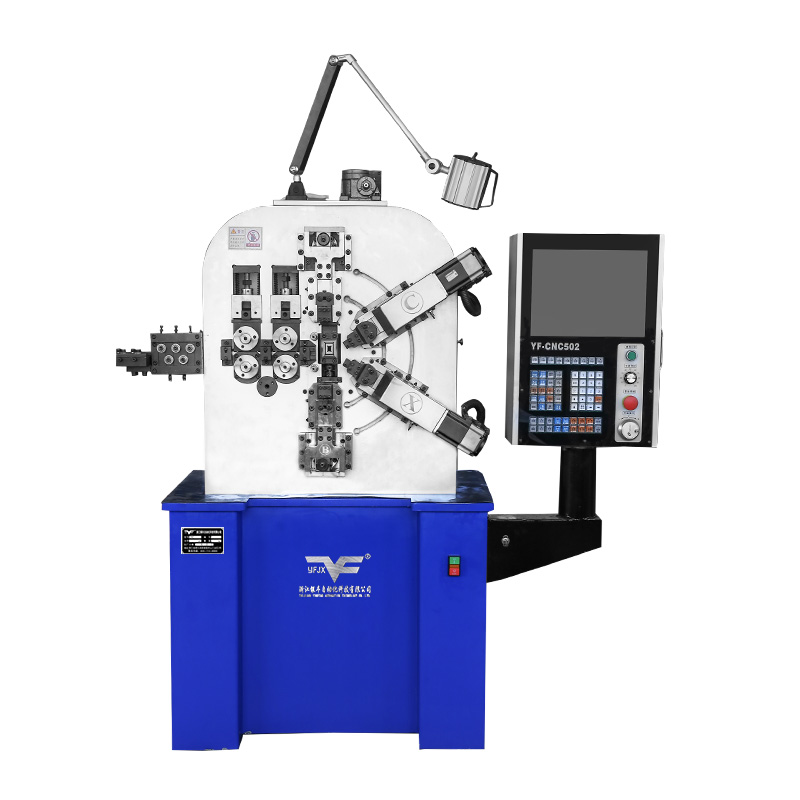
Spiral Spring Making Machine Improves Automated Spring Forming Processes
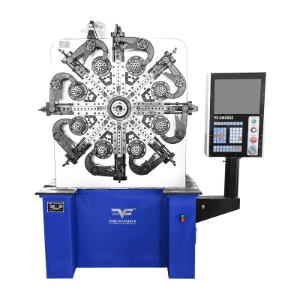
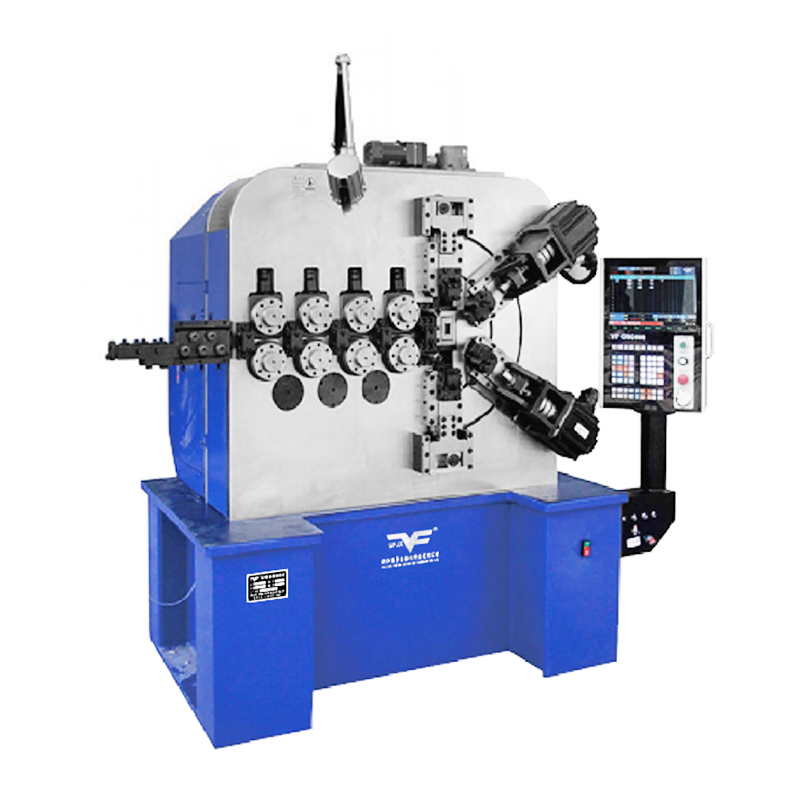
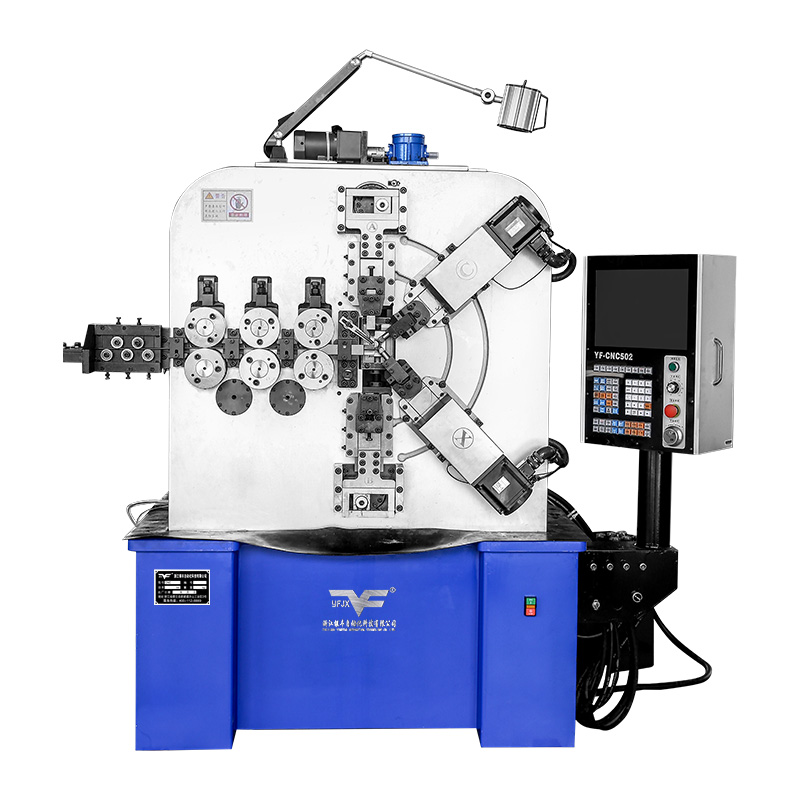
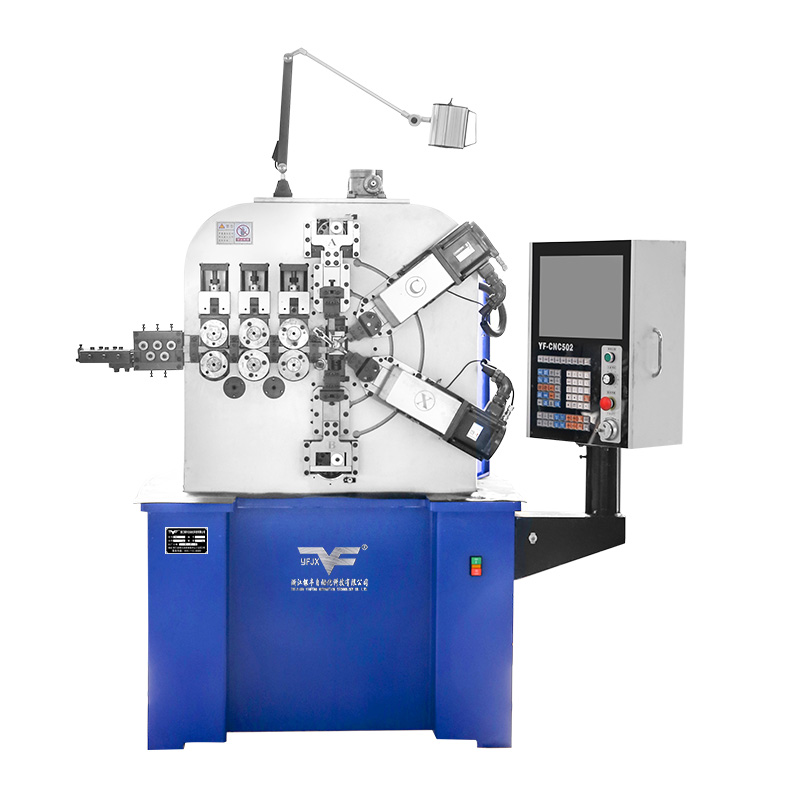
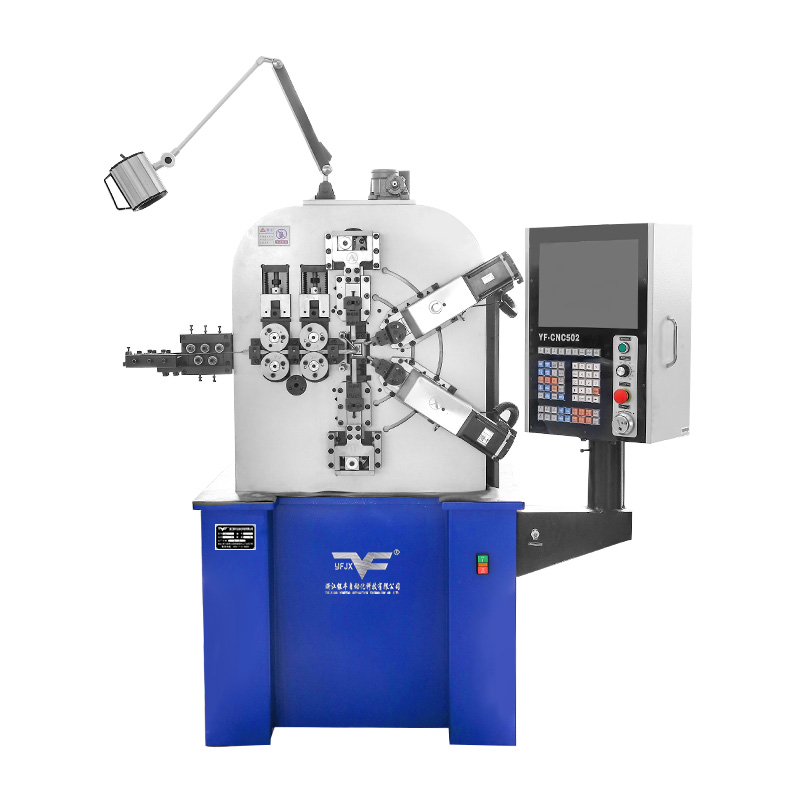
Industry News-Automation is becoming increasingly important in modern manufacturing environments. Spring producers are under pressure to improve production efficiency while maintaining stable forming quality across different product types. In many factories, the Spiral Spring Making Machine is now used as part of a more automated production process that supports continuous operation, flexible adjustment, and reduced manual intervention.
Automation Changes Traditional Spring Production
Traditional spring forming often relies heavily on operator experience and repeated manual adjustment. During long production runs, this may affect workflow consistency and increase setup time when changing spring specifications.
Automated spring machines help simplify many of these tasks through programmable control systems and digital operation interfaces. Operators can adjust production parameters more efficiently while monitoring forming conditions during operation.
This transition toward automation is helping factories organize production more effectively, especially when handling multiple spring designs within the same production schedule.
Automatic Feeding Supports Continuous Operation
Wire feeding stability is an important part of spring manufacturing. Inconsistent feeding tension can affect spring diameter, spacing, and overall product consistency.
Modern spring machines often include automatic feeding systems that support smoother material movement during production. Stable feeding allows the machine to continue operating for longer periods with fewer interruptions.
Automatic feeding also reduces repetitive manual handling tasks for operators. This helps improve workflow efficiency and allows production teams to focus more on monitoring machine performance and spring quality.
Factories processing different materials such as stainless steel, carbon steel, and alloy wire benefit from machines capable of adjusting feeding conditions according to production requirements.
Servo Systems Improve Forming Consistency
Servo-controlled forming systems are widely used in automated spring production equipment. These systems allow more precise coordination between feeding, winding, and cutting movements during operation.
Stable movement control helps maintain more consistent spring dimensions throughout continuous production. This is especially important for applications requiring repeatable spring performance across multiple batches.
Digital adjustment systems also make it easier to modify production parameters when switching between spring specifications. Operators can save and recall settings for different products, reducing setup complexity during production changes.
Faster Product Switching Supports Flexible Manufacturing
Many factories no longer produce only one spring type for extended periods. Customers often request smaller production batches with varying spring dimensions and materials.
Automated spring machines support faster product switching through programmable control systems and adjustable forming structures. This flexibility allows manufacturers to respond more efficiently to changing production schedules.
Quick adjustment capability also helps reduce downtime between orders. Instead of performing extensive manual setup procedures, operators can modify parameters directly through the control interface.
This type of production flexibility is becoming increasingly valuable in industries where customized spring components are frequently required.
Digital Monitoring Improves Production Management
Modern automated spring machines may include digital monitoring functions that help operators track production conditions during operation. Information related to forming movement, feeding performance, and machine status can be displayed through digital control systems.
Production monitoring helps operators identify forming changes earlier and make adjustments when necessary. This supports more stable production conditions during long manufacturing cycles.
Some production environments also use monitoring systems to improve maintenance planning and reduce unexpected machine interruptions.
Automated Spring Production Across Industries
Automated spring forming equipment is used in a wide range of industries, including:
- Automotive components
- Electronic products
- Mechanical assemblies
- Retractable systems
- Industrial equipment
Different industries require different spring structures and materials, making production flexibility an important feature in modern manufacturing equipment.
As automation technology continues to develop, spring manufacturing equipment is becoming more focused on stable operation, flexible adjustment capability, and organized production management. These improvements are helping factories adapt to changing industrial requirements while supporting efficient spring forming processes.
Our Products //
Related Products

Copyright © Zhejiang Yinfeng Automation Technology Co., Ltd. All Rights Reserved. 
Sale Automatic Spring Making Machine