

 English
 русский
 Español
 简体中文
简体中文
Spiral Spring Making Machine/product/Spiral Spring Making Machine: Common Faults and Practical Troubleshooting Tips
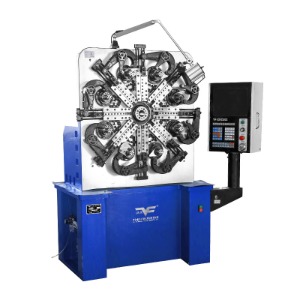
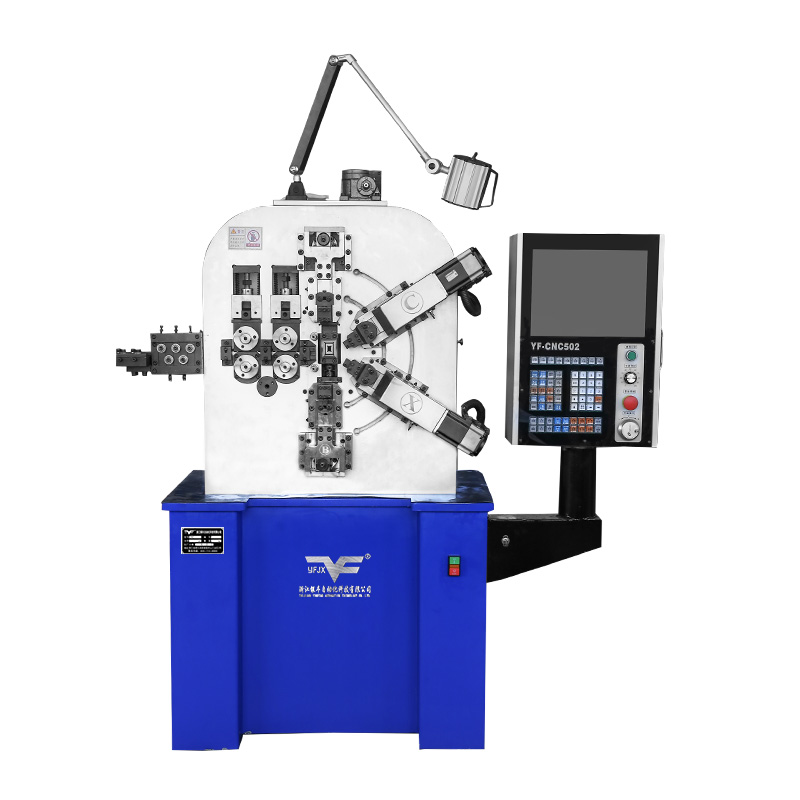
Industry News-Operating a Spiral Spring Making Machine smoothly is crucial for maintaining production schedules and product quality. However, like any complex mechanical system, these machines can experience operational issues. Recognizing common symptoms, understanding their likely causes, and applying systematic troubleshooting can minimize downtime. This guide outlines practical steps for addressing frequent problems.
Issues with Wire Feeding and Straightening
A primary area for concern is the initial stage of wire handling. Problems here often manifest as irregular feeding, wire scratches, or poorly formed springs due to inadequately straightened material. A frequent cause is wear on the feed rollers or guides, which can lose their grip or groove profile. Blockages from accumulated dirt or metal chips in the guide paths can also disrupt smooth wire travel. Additionally, incorrect pressure settings on the straightening mechanism may fail to properly remove coil memory from the wire. Troubleshooting should start with a visual inspection and cleaning of all feed and guide components. Checking and adjusting the pressure on feed rollers and straightening plates, and ensuring they are properly aligned, are key steps. Regularly rotating or replacing worn rollers is a proactive measure.
Challenges in Coiling and Spring Forming
Inconsistent spring dimensions, such as variations in outer diameter or pitch, directly point to the coiling and forming section. Wear on the central arbor or coiling point is a typical culprit, as it changes the effective forming diameter. The position and alignment of the guide arm, which directs the wire onto the arbor, are critical; even slight deviations can alter the spring geometry. Another source of error could be within the machine’s program itself, where parameters for pitch, diameter, or number of coils may have been entered incorrectly. Addressing this involves one verifying the program settings. Physically inspecting the arbor and guide arm for wear and ensuring their secure, correct positioning is next. Making small, incremental adjustments to the guide arm position while running a test piece is a standard method to correct forming issues.
Problems with Cutting and Finishing
The final cutting operation defines the spring's ends and length. Burrs on the cut end, deformation of the final coil, or inconsistent spring length are common signs of trouble here. Dull or damaged cutting blades are a primary cause of burrs and poor cuts. The precise timing of the cut relative to the rotation of the arbor is essential; if this timing is off, it can squash the end coil or cut at the wrong length. The force applied by the cutting mechanism or supporting tools must be sufficient to hold the spring without marking it. Solutions include sharpening or replacing cutting tools as part of routine maintenance. Carefully adjusting the cutting cam or electronic timing parameter, often while observing the machine cycle in slow motion, is necessary to achieve a clean cut. Verifying the action and pressure of any support fingers or ejectors also helps ensure a clean finish.
Electrical and Control System Alerts
Modern machines provide diagnostic information through control system alerts or alarms. These can range from notifications about servo motor overloads and positional errors to issues with sensor signals. A systematic approach begins with consulting the machine’s manual for the specific alarm code. Initial checks should include verifying the integrity of electrical connections to motors and sensors, looking for loose cables or plugs. Ensuring that no mechanical obstruction is causing a motor to overload is also important. For persistent or complex electrical issues, involving trained technical personnel is advised.
Cultivating a Proactive Maintenance Mindset
While reactive troubleshooting is necessary, developing a proactive culture is more effective. Implementing simple daily checklists for cleaning, lubrication, and visual inspections can prevent many issues. Keeping a log of faults, their symptoms, and solutions creates a valuable knowledge base for the team, helping to identify recurring problems and underlying causes.
Effective management of a Spiral Spring Making Machine involves a blend of observational skill, mechanical understanding, and systematic procedure. By methodically addressing common faults in feeding, forming, cutting, and control systems, operators can maintain consistent production flow and uphold quality standards.
Our Products //
Related Products

Copyright © Zhejiang Yinfeng Automation Technology Co., Ltd. All Rights Reserved. 
Sale Automatic Spring Making Machine