

 English
 русский
 Español
 简体中文
简体中文
Spiral Spring Making Machines: How to Fix Unstable Coil Diameter Problems
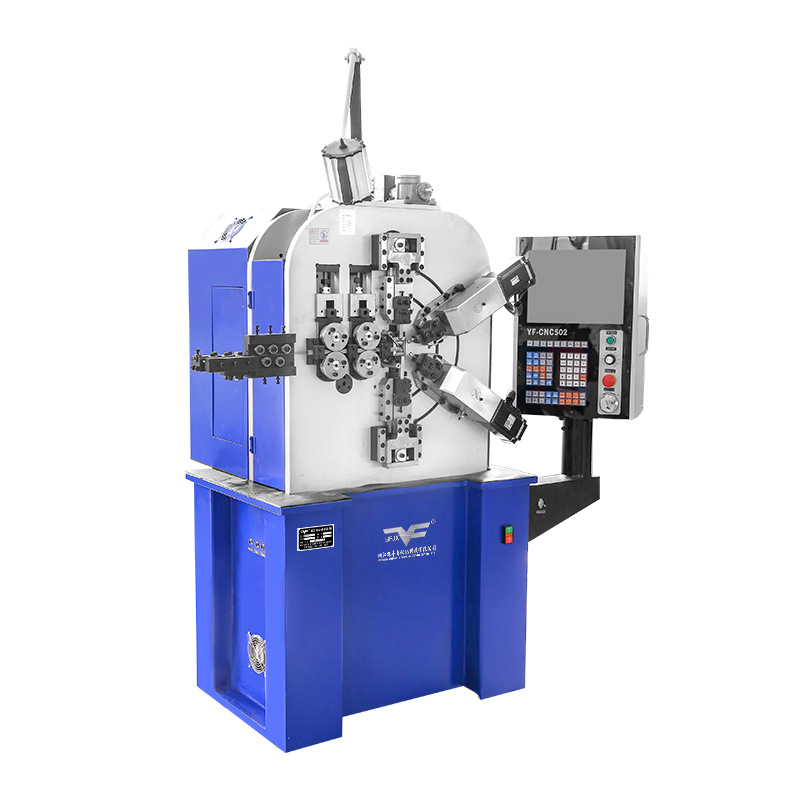
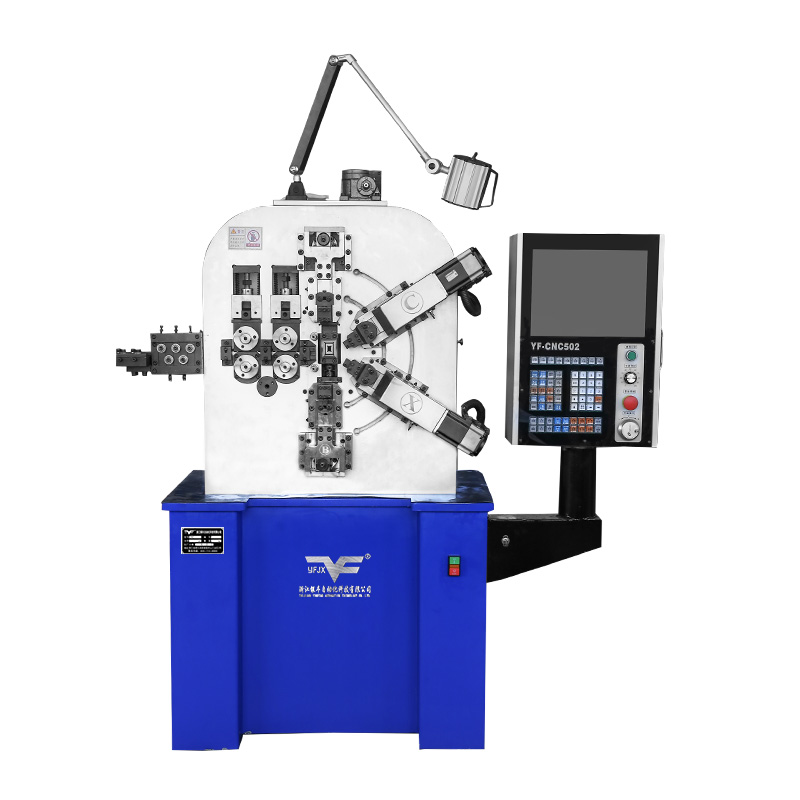
Industry News-Spiral Spring Making Machines are essential in modern spring production for addressing issues related to unstable coil diameters. When used alongside Camless Spring Machines, these systems provide a reliable method for producing springs with consistent dimensions. Variations in coil diameter can compromise the performance of springs in automotive, industrial, and consumer applications. By utilizing machines with precise control over wire tension, feeding speed, and coil winding, manufacturers can ensure stable coil formation and reduce the likelihood of defects during production.
Causes of Unstable Coil Diameters
Unstable coil diameters can result from several factors. Variations in wire hardness or diameter can create uneven winding tension, to coils that do not meet specifications. Inaccurate tension settings, inconsistent feeding speed, and mechanical misalignment may further exacerbate the problem. Traditional cam-driven spring machines often lack the flexibility to adjust for these variables quickly, resulting in more frequent deviations and reduced overall product quality. Identifying the root causes is the one step in implementing effective solutions.
Solutions Offered by Spiral Spring Making Machines
Spiral Spring Making Machines address coil diameter instability through precise control mechanisms. Servo-driven wire feeding systems adjust tension in real time, ensuring uniform material flow into the coil-forming section. CNC programming allows operators to set specific coil dimensions and maintain consistent winding patterns throughout the production process. In combination with Camless Spring Machines, these systems eliminate the limitations of fixed cam profiles, allowing operators to make precise adjustments for different wire types and spring designs. This flexibility significantly reduces the occurrence of irregular coil diameters.
Operator Best Practices
Operators play a critical role in achieving consistent coil diameters. Routine inspections of the wire feed system, proper alignment of guiding rollers, and adherence to CNC programming specifications are essential steps. Operators should monitor the machine’s feedback systems and make adjustments immediately when deviations are detected. Training in parameter adjustment, tension calibration, and real-time monitoring enhances the operator’s ability to maintain coil consistency. Regular cleaning and lubrication of the feeding and forming components also contribute to smoother operation and more stable coil dimensions.
Integration Benefits Across Production Lines
The integration of Spiral Spring Making Machines with Camless Spring Machines provides additional advantages for coil diameter stability. Independent axis control allows for simultaneous adjustments to wire feed, winding speed, and coil formation, providing a more tailored approach to each spring type. This setup enables quick transitions between different production runs while maintaining consistent coil quality. By reducing mechanical wear and providing better feedback, manufacturers can sustain stable coil diameters across long production cycles, improving overall workflow efficiency.
Applications in Industry
Consistent coil diameter is essential for various industrial applications. In automotive manufacturing, springs with precise dimensions support suspension systems and engine components. In industrial machinery, uniform springs ensure reliable operation and reduce wear on moving parts. Consumer products, including small mechanical devices and electronic assemblies, rely on accurately wound springs for proper function. Spiral Spring Making Machines, combined with Camless Spring Machines, provide the precision and control needed to meet these diverse requirements while minimizing production issues related to coil diameter.
Spiral Spring Making Machines, when integrated with Camless Spring Machines, offer a practical and effective solution for addressing unstable coil diameter issues in spring production. By employing advanced servo-driven systems, CNC programming, and real-time monitoring, manufacturers can maintain consistent coil dimensions and enhance product reliability. Proper operator practices and routine maintenance further support stable performance, ensuring that springs meet specifications across various applications. This combination of technology and careful operation results in smoother production, reduced waste, and springs that consistently meet the desired standards of quality and performance.
Our Products //
Related Products

Copyright © Zhejiang Yinfeng Automation Technology Co., Ltd. All Rights Reserved. 
Sale Automatic Spring Making Machine