

 English
 русский
 Español
 简体中文
简体中文
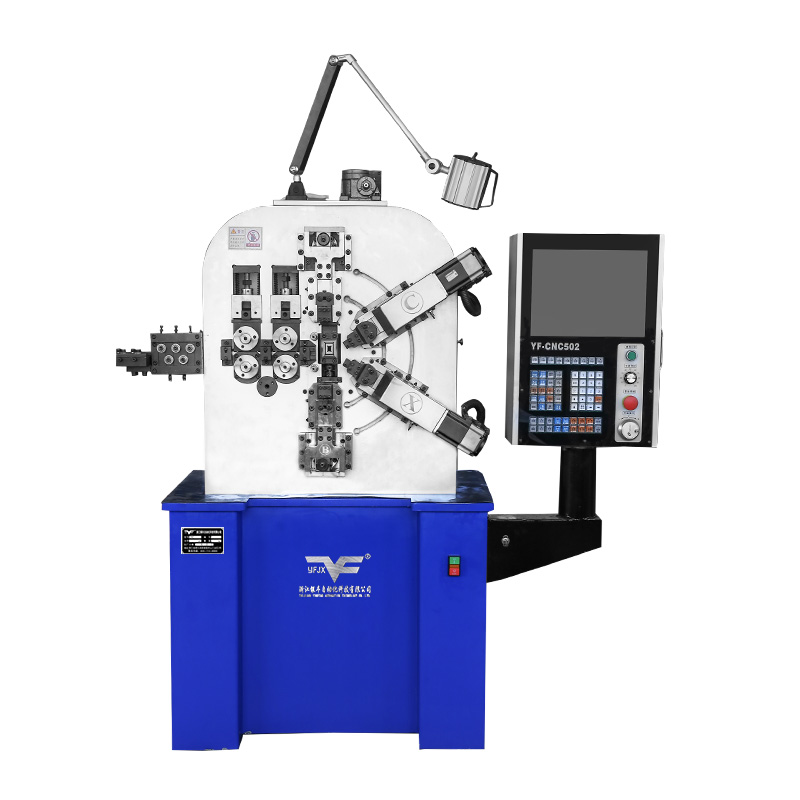
Spiral Spring Making Machine: New Model Boosts Flat Spring Output Speed
Industry News-Industrial manufacturers are paying closer attention to production efficiency as demand for flat spiral springs continues to grow. In many production workshops, the Spiral Spring Making Machine plays an important role in supporting stable spring forming while helping factories improve workflow organization. New machine models introduce updated feeding systems, servo controls, and forming structures that enable faster flat spring production without sacrificing consistency.
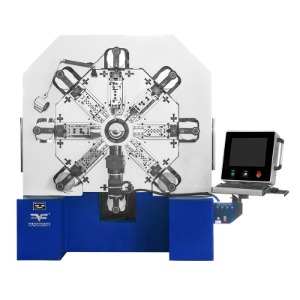
Rising Demand for Flat Spiral Springs
Flat spiral springs are commonly used in tape measures, retractable mechanisms, electronic products, and mechanical devices. As more industries require compact spring components, manufacturers are expected to handle a wider variety of spring designs within shorter production schedules.
Traditional spring forming equipment may require frequent manual adjustments during production changes. This can affect workflow efficiency, especially when factories need to switch between different spring sizes and materials. For this reason, many manufacturers are looking for machines that support smoother operation and easier parameter adjustment.
Servo Control Improves Forming Coordination
Modern spring machines increasingly use servo-driven systems to support more controlled forming movement. During flat spring production, stable coordination between feeding and winding helps maintain a consistent spring shape.
Servo systems allow operators to adjust coiling speed and feeding movement more accurately. This supports smoother spring formation and helps reduce irregular coil spacing during continuous operation.
Another advantage is easier production switching. Operators can save forming parameters and recall them when producing different spring specifications. This reduces setup time and supports more organized production scheduling.
Feeding Structure Supports Faster Production
Wire feeding performance has a direct influence on spring forming speed. If feeding becomes unstable, material shifting or uneven winding may occur. Updated machine designs often include improved wire guiding systems that help maintain smoother material movement during operation.
Stable feeding allows the machine to continue production for longer periods with fewer interruptions. This supports better workflow efficiency while helping operators monitor production conditions more effectively.
Different spring materials also require different feeding conditions. Machines capable of handling stainless steel, carbon steel, and alloy materials provide more flexibility for manufacturers working with various applications.
Stable Forming During Continuous Operation
As production speed increases, forming stability becomes increasingly important. Excessive vibration or inconsistent tension can affect spring quality during long production runs.
Newer machine structures are designed to support smoother operation and more stable tooling movement. This helps preserve spring consistency throughout the winding process.
Improved control interfaces also help operators monitor production conditions more easily. Faster adjustment access allows production teams to respond quickly if forming conditions change during operation.
Flexible Applications Across Industries
Modern Spiral Spring Making Machine models are often used in multiple industries, including:
- Tape measure production
- Mechanical spring components
- Electronic devices
- Retractable systems
- Industrial equipment
Factories producing multiple spring types benefit from machines that support flexible parameter adjustment. This allows manufacturers to switch between different spring designs more efficiently without relying on separate production equipment.
Automation functions also support a cleaner production organization by reducing repetitive manual adjustments during operation.
As spring manufacturing continues to develop, equipment designers are focusing more on stable operation, flexible production capability, and smoother forming control. These improvements are helping factories adapt to changing production requirements while supporting efficient flat spring manufacturing processes.
Our Products //
Related Products

Copyright © Zhejiang Yinfeng Automation Technology Co., Ltd. All Rights Reserved. 
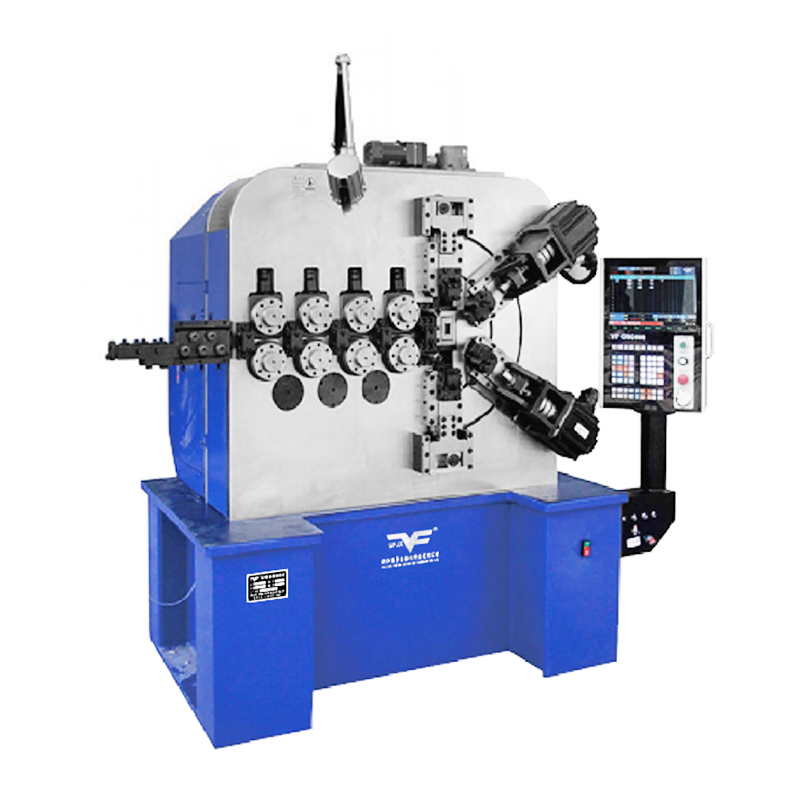
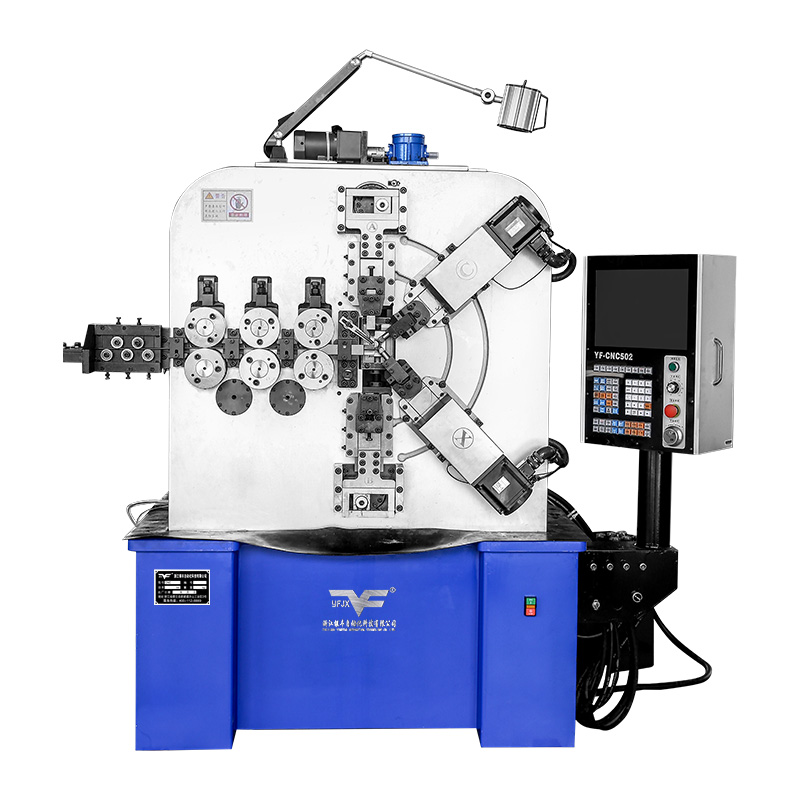
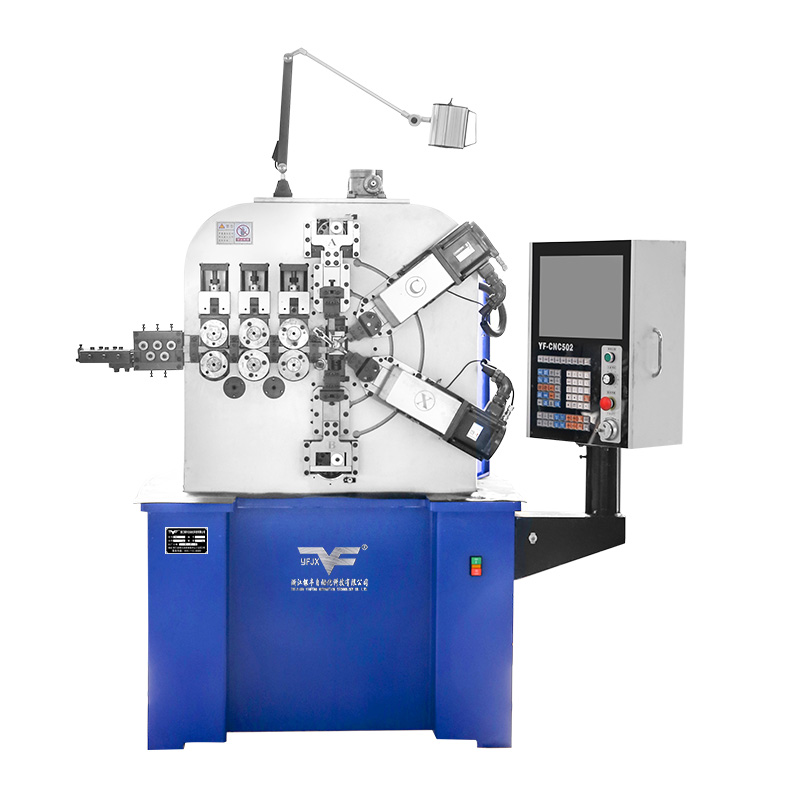
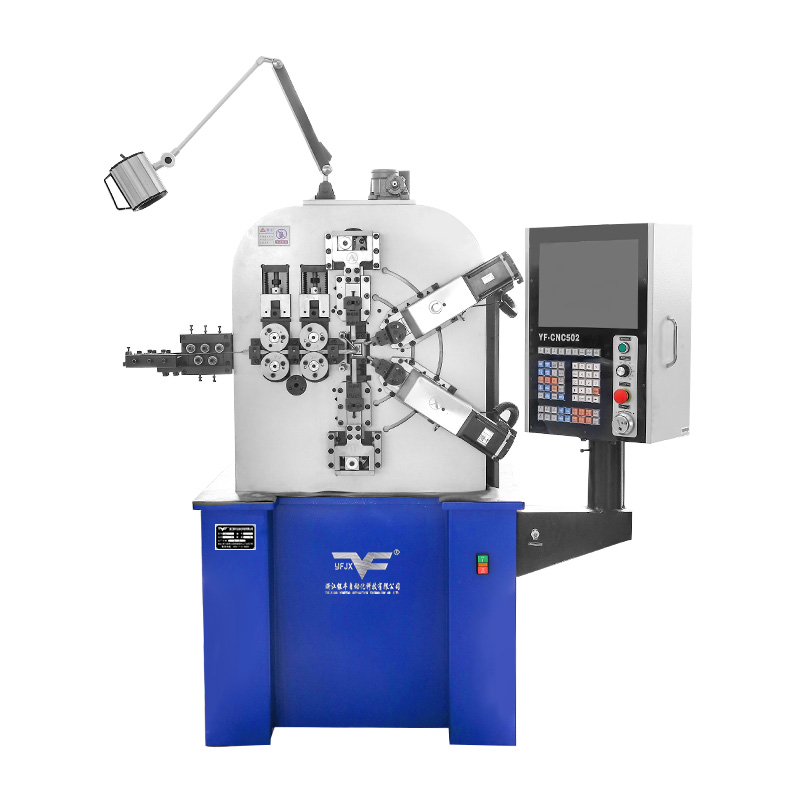
Sale Automatic Spring Making Machine