

 English
 русский
 Español
 简体中文
简体中文
Why the Camless Spring Machine Cuts Setup Time in Half
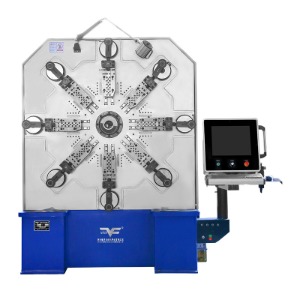
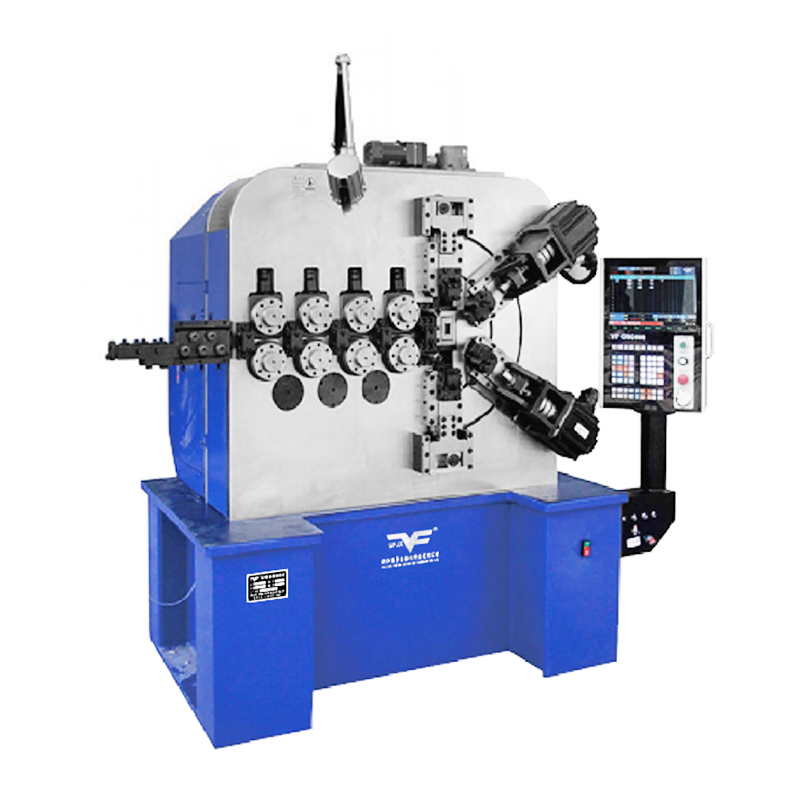
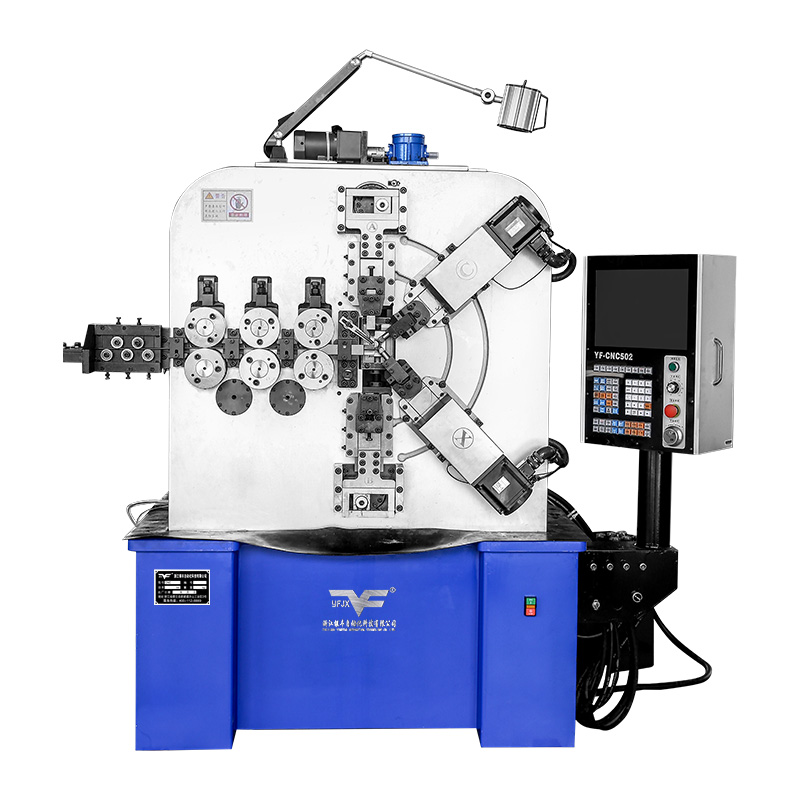
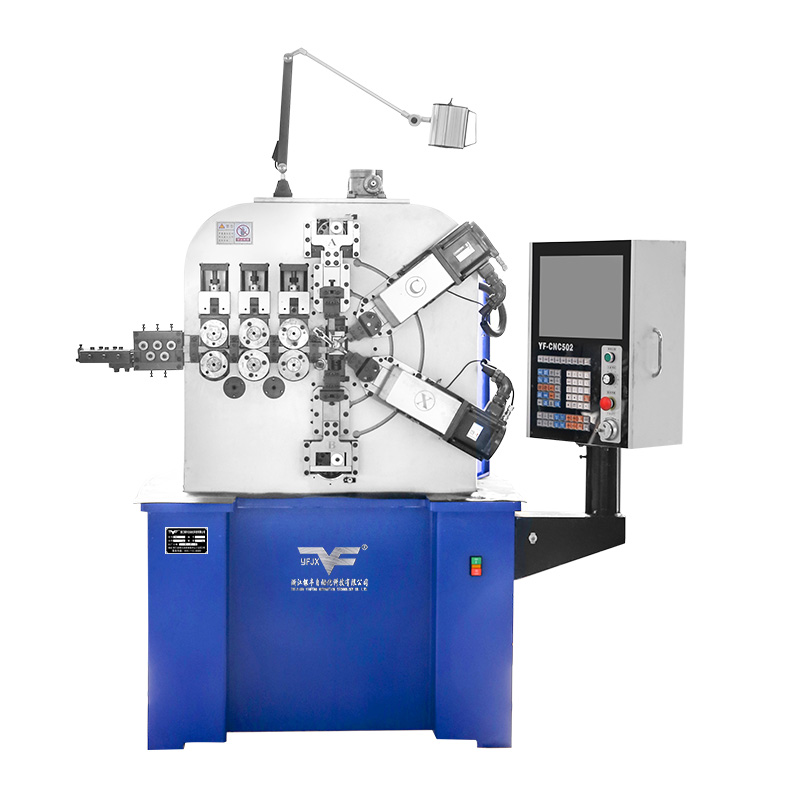
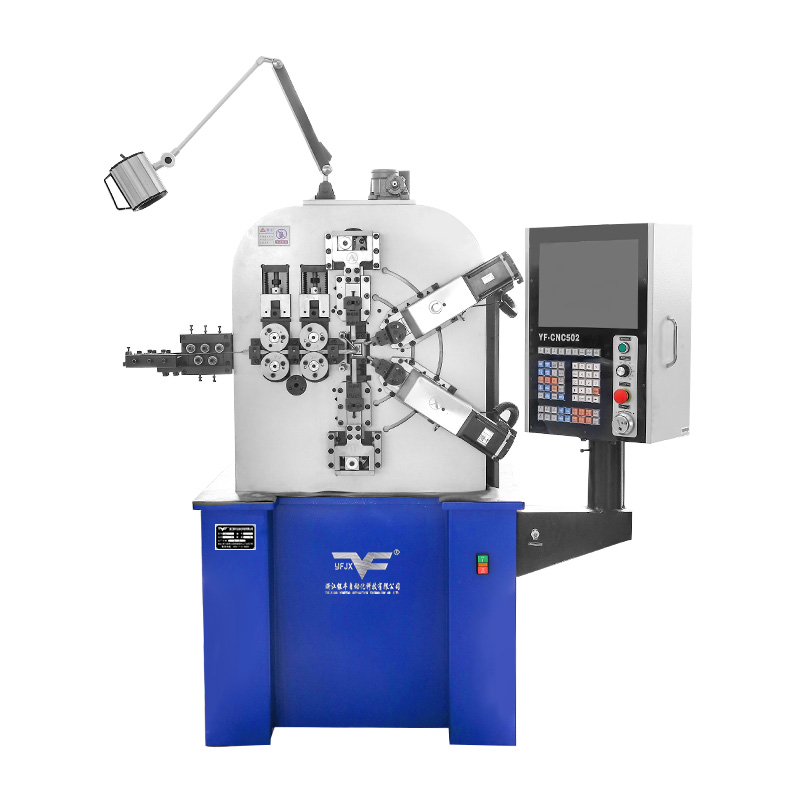
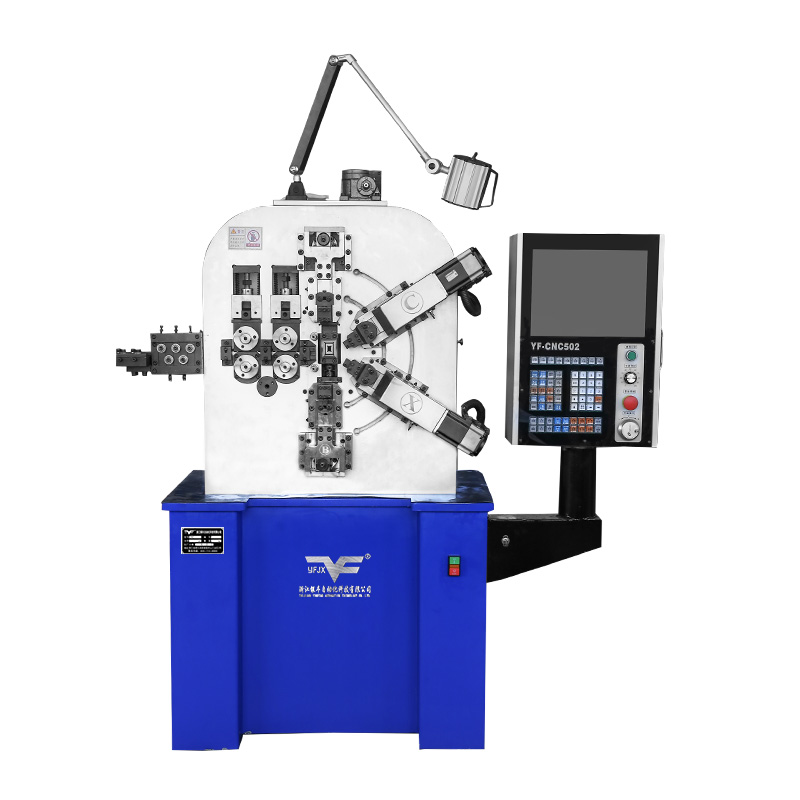
Industry News-Spring manufacturers have long struggled with lengthy changeover periods when switching between different spring types. A growing number of workshops now rely on the Camless Spring Machine to address this exact challenge. By replacing physical cams with digital servo control, this equipment reduces setup time to a fraction of what traditional methods require.
The Bottleneck of Physical Cams
Conventional spring forming machines depend on mechanical cams. Each cam is designed and machined for a specific spring shape. Changing a production line from one spring design to another means removing cams, installing new ones, and then fine‑tuning the entire mechanism. This process often takes hours or even a full workday. Skilled technicians must adjust angles, timing, and feed rates repeatedly. Any mistake in cam design leads to wasted material and extra trial runs.
How Servo Control Changes the Workflow
A different approach uses independent servo motors for each forming axis. All movements are defined in software, not by physical cam profiles. When an operator needs to produce a new spring, they load a program instead of swapping metal parts. The machine reads the digital instructions and moves each axis accordingly. This shift from hardware‑defined to software‑defined forming eliminates the need to manufacture, store, or mount physical cams.
Practical Time Savings on the Shop Floor
In a typical job shop, switching from a compression spring to a torsion spring on a conventional machine might occupy a technician for several hours. With the servo‑driven alternative, the same technician can call up the new program, make a few adjustments to tooling positions, and run a test batch in under an hour. For smaller batch sizes, the time advantage becomes even more noticeable. Workshops that serve custom orders or rapid prototyping needs find this capability especially valuable.
Reduced Dependency on Specialized Skills
Traditional cam‑based systems require deep knowledge of cam design and machine mechanics. Not every shop has access to such specialists. The programmable nature of the camless approach allows operators with basic CNC training to perform changeovers. This lowers the barrier to producing a wide variety of springs and helps smaller manufacturers compete more effectively.
Less Waste During Changeover
Each trial run on a conventional machine generates rejected parts until the cam setup is perfected. Because the camless system relies on precise digital control, the one test piece is often very close to the target dimensions. Adjustments are made on screen, not by grinding cams or repositioning heavy components. Consequently, material waste during changeover drops significantly.
Enabling Just‑in‑Time Production
Shorter setup times make just‑in‑time production more feasible for spring makers. Instead of running large batches to justify long changeovers, manufacturers can produce smaller quantities more frequently. This reduces inventory holding costs and allows quicker responses to customer requests. The flexibility offered by this technology aligns well with modern supply chain expectations.
A Note on Implementation
Switching to a servo‑driven forming system does require an initial investment in training and software. However, the reduction in non‑productive time quickly compensates for these upfront efforts. Many users report that their overall equipment effectiveness improves once they adopt this method. The ability to change over in minutes rather than hours opens new business opportunities, especially for shops that handle diverse spring geometries.
Our Products //
Related Products

Copyright © Zhejiang Yinfeng Automation Technology Co., Ltd. All Rights Reserved. 
Sale Automatic Spring Making Machine